 Cool Mate
Meaning of Hold on
To wait for a short time.
In simple words: Wait a moment
Hold on in a sentence
- Please hold on while I check the information.
- Hold on, I'll be right back!
- Can you hold on for a second?
- I need you to hold on a bit longer.
- Hold on tight during the ride!
How to use Hold on
Use 'hold on' when asking someone to wait briefly. It's appropriate in casual conversations but can be used in more formal situations as well. Avoid in very formal writing.
Grammar pattern
hold on + object or standalone
Memory hint
Think of holding something in your hand while you wait.

Related words
Collocations with Hold on
- hold on a second
- hold on tight
- hold on the line
Common mistakes with Hold on
- Confused with 'hold up' which means to delay
- Using it in very formal contexts where 'please wait' is better
- Not using it as a standalone phrase
Hold on appears in

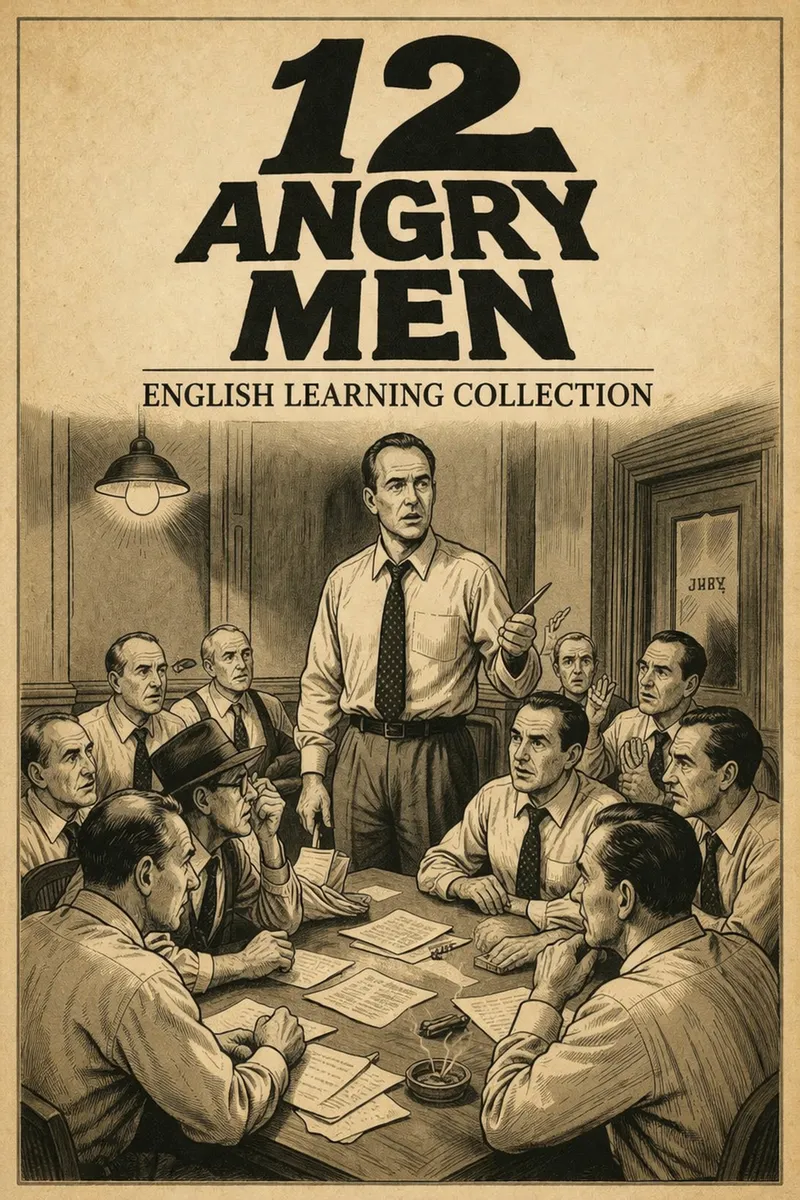







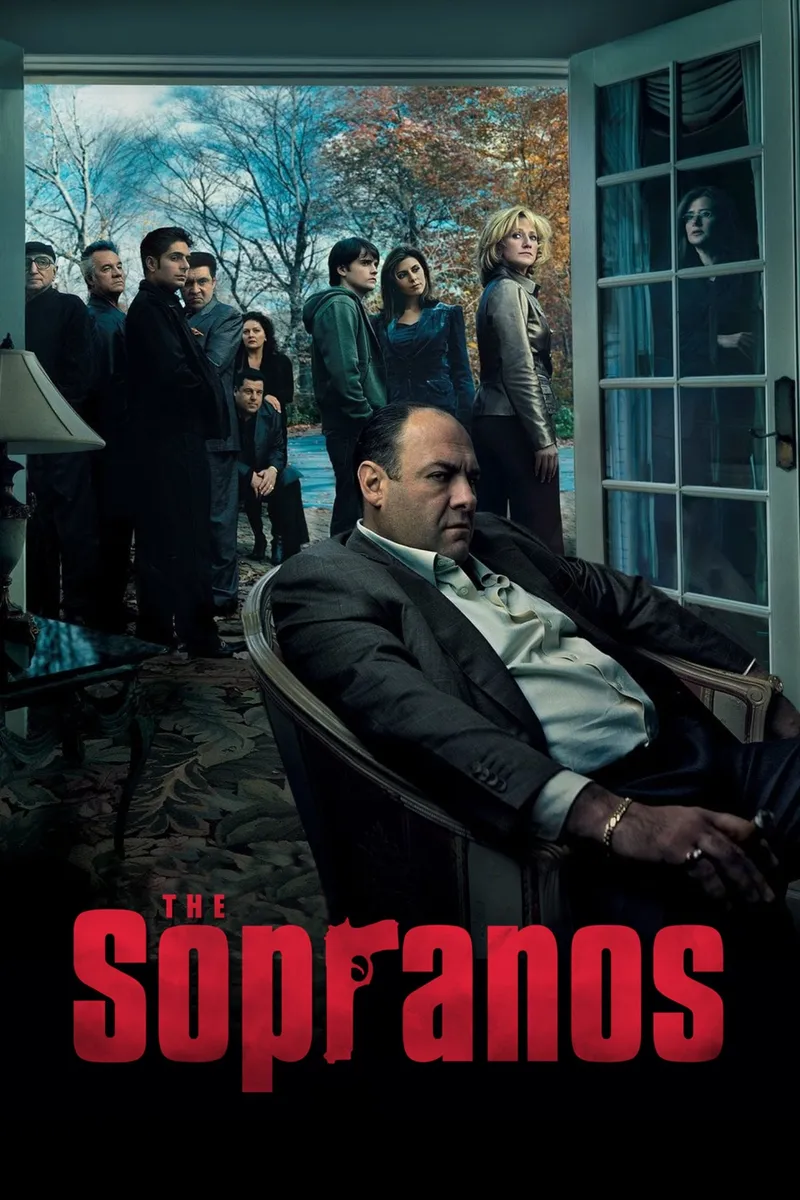



Hold on in other languages
- Arabicالعربية
انتظر
انتظر لحظة
- Bengaliবাংলা
একটু অপেক্ষা করুন
একটু অপেক্ষা করো
- GermanDeutsch
Warte mal / Halt dich fest
Moment warten
- SpanishEspañol
Espera
Espera un momento
- Persianفارسی
صبر کن، نگه دار
یه لحظه صبر کن
- FrenchFrançais
Attends
Attends un instant
- Hindiहिन्दी
रुको
एक पल रुको
- ItalianItaliano
Aspetta
Aspetta un momento
- PortuguesePortuguês
Espere um pouco
Espere um momento
- RussianРусский
Подожди
Подожди минутку
- Urduاردو
ذرا انتظار کریں
ذرا رکو
- Chinese中文
等等
等一下
More chunks like Hold on
People also search for
- Hold on meaning
- meaning of Hold on
- Hold on definition
- define Hold on
- what does Hold on mean
- Hold on means
- how to use Hold on
Frequently asked questions about Hold on
What does Hold on mean?
Wait a moment
What is the definition of Hold on?
To wait for a short time.
How do you use Hold on in a sentence?
Please hold on while I check the information.
Can you give another example of Hold on?
Hold on, I'll be right back!
What are synonyms for Hold on?
Common alternatives include wait, pause, linger, stop, halt.
What is the opposite of Hold on?
Opposite meanings include rush, hurry, advance.
What words go with Hold on?
It commonly pairs with hold on a second, hold on tight, hold on the line.
What are common mistakes when using Hold on?
Confused with 'hold up' which means to delay Using it in very formal contexts where 'please wait' is better Not using it as a standalone phrase
How do you pronounce Hold on?
US: //hoʊld ɑn//, UK: //həʊld ɒn//. Listen to the audio above to hear native pronunciation.
When should I use Hold on?
Use 'hold on' when asking someone to wait briefly. It's appropriate in casual conversations but can be used in more formal situations as well. Avoid in very formal writing.