 Cool Mate
Signification en français
Prendre sa retraite, Retraite
Sens de Retire
to leave your job and stop working, especially because you have reached a particular age or because you are ill; to tell somebody they must stop doing their job
Arrêter de travailler et quitter son emploi, surtout à cause de l'âge ou de problèmes de santé ; demander à quelqu'un de cesser son travail.
In simple words: To stop working after many years, usually because of age.
Arrêter de travailler après de nombreuses années, généralement à cause de l'âge.
Retire dans une phrase
- After working for over thirty years, she decided to retire from her job.Après avoir travaillé plus de trente ans, elle a décidé de prendre sa retraite.
- He plans to retire early so he can travel the world.Il prévoit de prendre sa retraite plus tôt pour pouvoir faire le tour du monde.
- Many athletes retire from professional sports when they reach their thirties.De nombreux athlètes prennent leur retraite sportive professionnelle lorsqu'ils atteignent la trentaine.
- When someone retires, they often look for new hobbies to fill their time.Quand on prend sa retraite, on cherche souvent de nouveaux passe-temps pour s'occuper.
- The company encouraged employees to retire after reaching a certain age.L'entreprise a encouragé les employés à prendre leur retraite après avoir atteint un certain âge.
Comment utiliser Retire
Commonly used when someone reaches a certain age or financial security. It’s more formal than casual speech; avoid in light-hearted contexts.
Couramment utilisé lorsqu'une personne atteint un certain âge ou une sécurité financière. C'est plus formel que le langage courant ; à éviter dans des contextes légers.
Grammar pattern
retire + object (usually implied: 'from work')
Memory hint
Think of 'retire' like 're-tire' — getting new tires after driving too long.
Mots liés
Collocations with Retire
Synonyms for Retire
- withdraw
- disengage
- stop working
- take a break
- rest
Common mistakes with Retire
- Confused with 'retiree' as the same as 'retire'.
- Using 'retire' with non-human subjects, like a company or organization.
- Saying 'retire from' without specifying what job or career.
Retire appears in

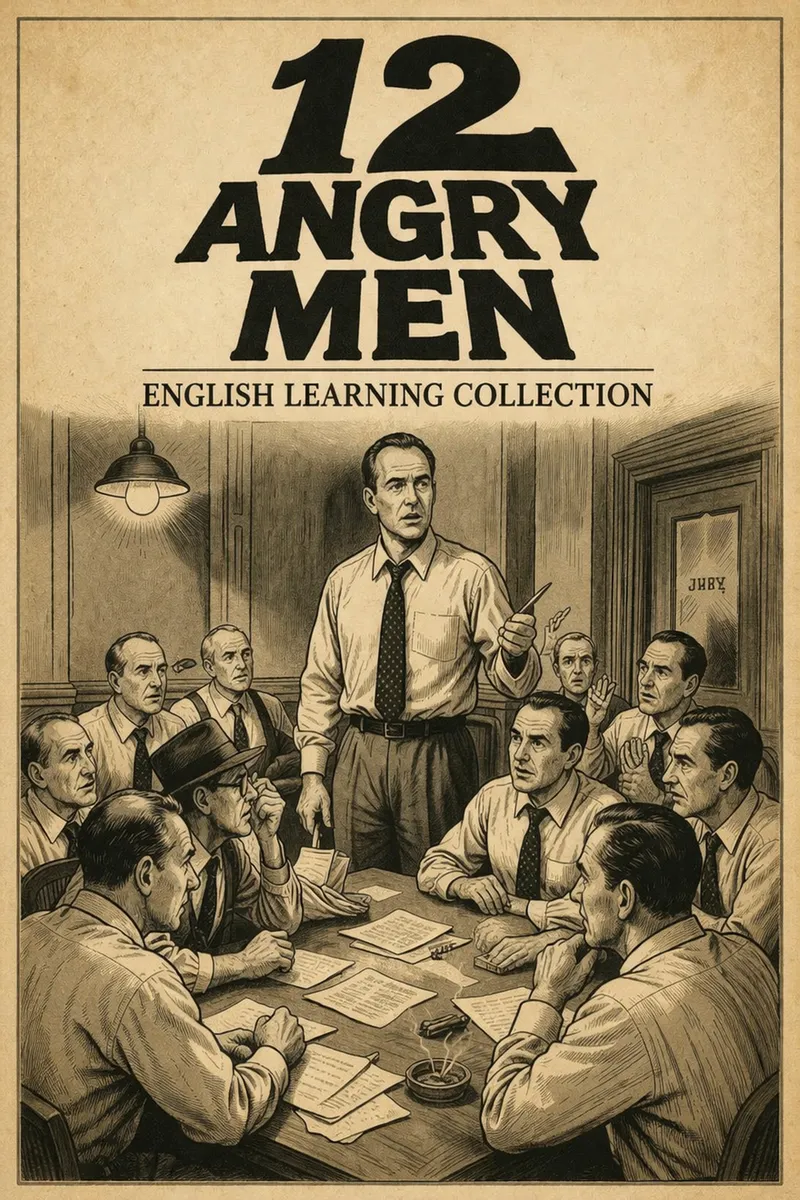
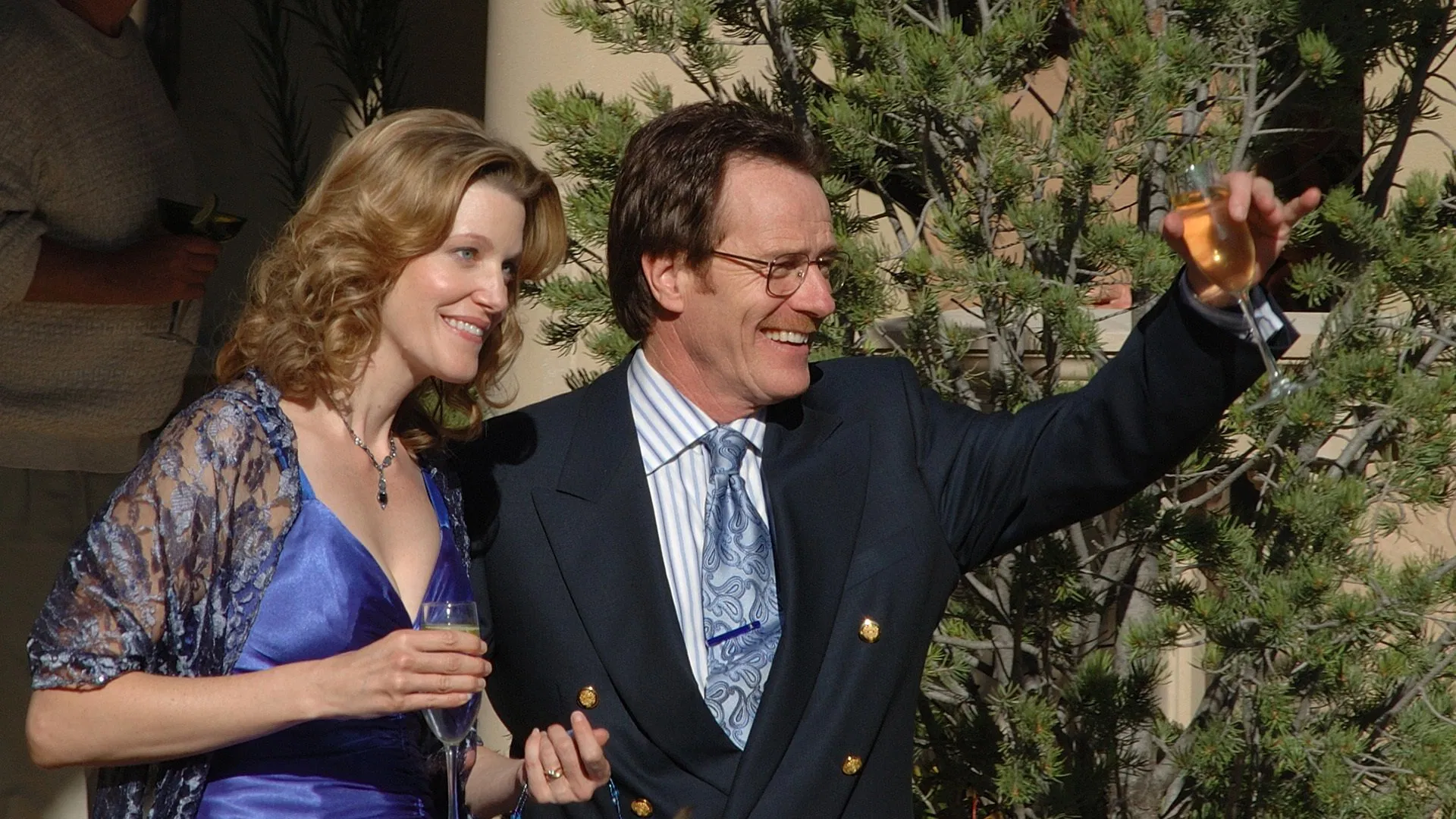
Retire dans d'autres langues
- Arabicالعربية
تقاعد
التوقف عن العمل بعد سنوات عديدة، عادة بسبب العمر.
- Bengaliবাংলা
অবসর নেওয়া
অনেক বছর কাজ করার পর, সাধারণত বয়সের কারণে কাজ বন্ধ করা।
- GermanDeutsch
in Rente gehen, in den Ruhestand treten
Nach vielen Jahren aufhören zu arbeiten, meistens wegen des Alters.
- SpanishEspañol
Jubilarse
Dejar de trabajar después de muchos años, generalmente por edad.
- Persianفارسی
بازنشسته شدن
بعد از سالها کار کردن، معمولاً به خاطر سن، کار را متوقف کردن.
- Hindiहिन्दी
सेवानिवृत्त होना
कई सालों तक काम करने के बाद रुक जाना, आमतौर पर उम्र के कारण।
- ItalianItaliano
Andare in pensione, ritirarsi
Smettere di lavorare dopo molti anni, di solito a causa dell'età.
- PortuguesePortuguês
Aposentar-se, Reformar-se
Parar de trabalhar depois de muitos anos, geralmente por causa da idade.
- RussianРусский
Уйти на пенсию, Отправиться на покой
Перестать работать после многих лет, обычно из-за возраста.
- Urduاردو
ریٹائر ہونا، سبکدوش ہونا
کئی سالوں کے بعد کام بند کرنا، عام طور پر عمر کی وجہ سے۔
- Chinese中文
退休
在工作多年后停止工作,通常是因为年龄。
More words like Retire
Les gens recherchent aussi
- Retire signification
- que veut dire Retire
- signification de Retire
- Retire traduction
- Retire en français
- définition de Retire
- comment utiliser Retire
Questions fréquentes sur Retire
Que signifie Retire?
Arrêter de travailler après de nombreuses années, généralement à cause de l'âge.
Que signifie Retire en français ?
Arrêter de travailler après de nombreuses années, généralement à cause de l'âge.
Quelle est la définition de Retire?
Arrêter de travailler et quitter son emploi, surtout à cause de l'âge ou de problèmes de santé ; demander à quelqu'un de cesser son travail.
Comment utiliser Retire dans une phrase?
After working for over thirty years, she decided to retire from her job.
Peux-tu donner un autre exemple de Retire?
He plans to retire early so he can travel the world.
Quels sont les synonymes de Retire?
Quelques alternatives courantes : withdraw, disengage, stop working, take a break, rest.
Quel est le contraire de Retire?
Les sens opposés incluent work, engage.
Quels mots vont avec Retire?
Il s'associe souvent à early, recently, officially, be forced to, be obliged to, have to, as, at, from, newly retired, recently retired, be medically retired.
Quelles sont les erreurs courantes avec Retire?
Confused with 'retiree' as the same as 'retire'. Using 'retire' with non-human subjects, like a company or organization. Saying 'retire from' without specifying what job or career.
Comment prononce-t-on Retire?
US: /["/rɪˈtaɪər/","/rɪˈtaɪərz/","/rɪˈtaɪərd/","/rɪˈtaɪərɪŋ/"]/, UK: /["/rɪˈtaɪə(r)/","/rɪˈtaɪəz/","/rɪˈtaɪəd/","/rɪˈtaɪərɪŋ/"]/. Écoute l'audio ci-dessus pour entendre la prononciation native.
Quand dois-je utiliser Retire?
Couramment utilisé lorsqu'une personne atteint un certain âge ou une sécurité financière. C'est plus formel que le langage courant ; à éviter dans des contextes légers.
Quel niveau CEFR a Retire?
"Retire" est au niveau B1 sur l'échelle CEFR.