 Cool Mate
Meaning of You've
In simple words: You have; a contraction of 'you' and 'have'.
You've in a sentence
- You've earned a well-deserved break after all that hard work.
- If you've finished your homework, we can go out.
- You've made such great progress this semester!
- I can't believe you've never tried sushi!
- You've always been there for me when I needed help.
How to use You've
Used in everyday conversations. It’s informal and commonly found in spoken English. Avoid using in formal writing.
Grammar pattern
standalone phrase
Memory hint
Sounds like 'you've' (you've got to remember it!).

Related words
Collocations with You've
- You've got to see this
- You've made a difference
- You've been working hard
Synonyms for You've
- you have
- you've got
- you possess
Common mistakes with You've
- Confused with 'your' vs 'you're'.
- Using 'youve' instead of 'you've' (spelling error).
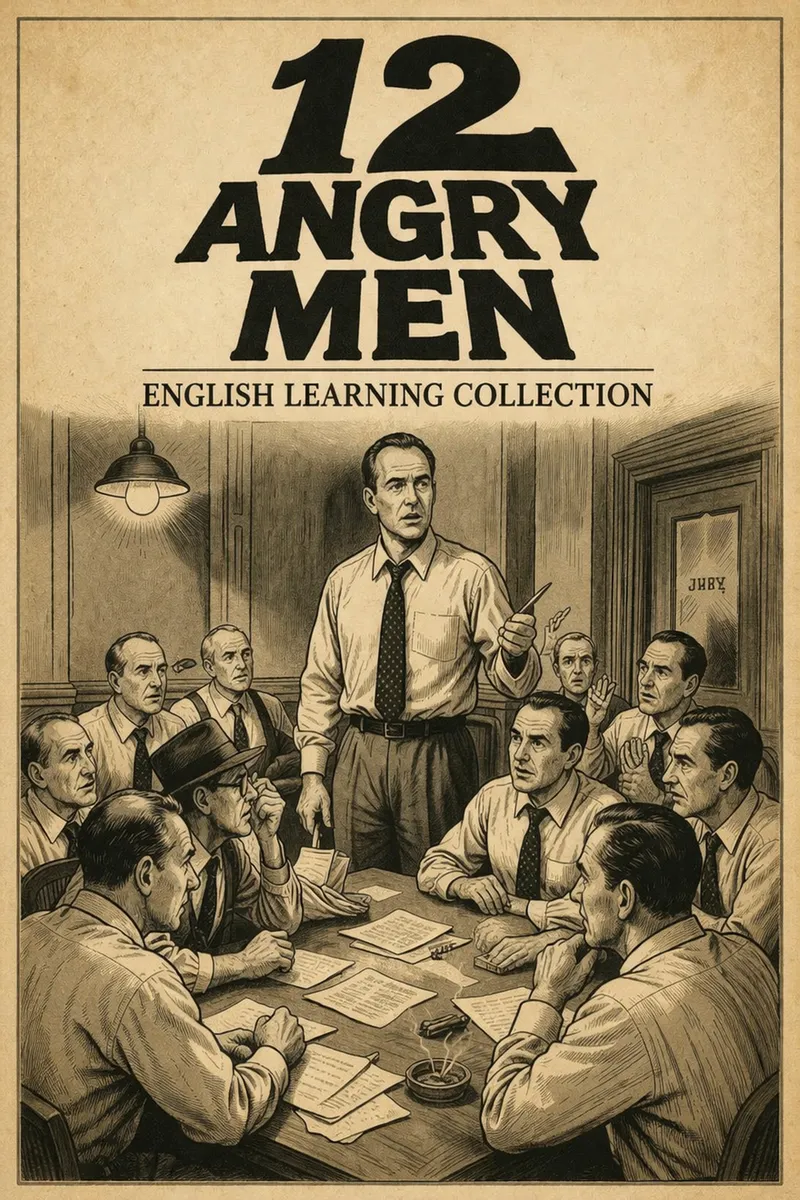
You've appears in





























You've in other languages
- Arabicالعربية
لقد
لديك؛ اختصار لكلمتي 'you' و 'have'.
- Bengaliবাংলা
You've
তোমার আছে; 'তুমি' এবং 'আছে'-এর সংক্ষিপ্ত রূপ।
- GermanDeutsch
Du hast
Du hast; eine Kurzform von 'you' und 'have'.
- SpanishEspañol
Has
Tienes; una contracción de 'tú' y 'has'.
- Persianفارسی
شما
شما دارید؛ مخفف 'شما' و 'دارید'.
- FrenchFrançais
Tu as / Vous avez
Tu as / Vous avez ; contraction de 'you' et 'have'.
- Hindiहिन्दी
You've
आपके पास है; 'आप' और 'हैं' का संक्षिप्त रूप।
- ItalianItaliano
Hai
Tu hai; una contrazione di 'you' e 'have'.
- PortuguesePortuguês
Você
Você tem; uma contração de 'you' e 'have'.
- RussianРусский
Ты
Ты имеешь; сокращение от 'you' и 'have'.
- Urduاردو
تم نے
تمہارے پاس؛ 'تم' اور 'ہو' کا ایک سکڑاؤ۔
- Chinese中文
You've
你已经;'you' 和 'have' 的缩写。
More words like You've
- Come on
A phrase used to urge or motivate someone.
- Exquisite taste
A refined and distinguished understanding of quality and flavor.
- Do you want it
A question asking if someone desires something.
- MillionA1
1 000 000
- Good point
A valid or insightful remark in a discussion.
- PleaseA1
used as a polite way of asking for something or telling somebody to do something
People also search for
- You've meaning
- meaning of You've
- You've definition
- define You've
- what does You've mean
- You've means
- how to use You've
Frequently asked questions about You've
What does You've mean?
You have; a contraction of 'you' and 'have'.
What is the definition of You've?
A contraction of 'you have', used to indicate possession or actions.
How do you use You've in a sentence?
You've earned a well-deserved break after all that hard work.
Can you give another example of You've?
If you've finished your homework, we can go out.
What are synonyms for You've?
Common alternatives include you have, you've got, you possess.
What words go with You've?
It commonly pairs with You've got to see this, You've made a difference, You've been working hard.
What are common mistakes when using You've?
Confused with 'your' vs 'you're'. Using 'youve' instead of 'you've' (spelling error).
How do you pronounce You've?
US: //juːv//, UK: //juːv//. Listen to the audio above to hear native pronunciation.
When should I use You've?
Used in everyday conversations. It’s informal and commonly found in spoken English. Avoid using in formal writing.