 Cool Mate
Meaning of I really don't appreciate
Expressing a lack of gratitude or value for something done or said.
In simple words: I don't like or value something.
I really don't appreciate in a sentence
- I really don't appreciate your tone in this discussion.
- The lack of communication from the team is something I really don't appreciate.
- I really don't appreciate being ignored when I speak.
- Your late arrival makes me feel unvalued; I really don't appreciate it.
How to use I really don't appreciate
Use this phrase to express discontent over actions or behaviors. It's polite but firm, suitable for conversations where you want to address a negative feeling without being overly harsh.
Grammar pattern
standalone phrase
Memory hint
Think of 'appreciate' as 'adder' – when someone adds to your problems, you don’t appreciate it!

Related words
Collocations with I really don't appreciate
- really don't appreciate the effort
- really don't appreciate being treated this way
- really don't appreciate the interruption
Common mistakes with I really don't appreciate
- Using it for minor inconveniences, which can seem overly dramatic.
- Confusing 'appreciate' with 'appreciating', as in using them interchangeably.
- Mistaking it for a formal complaint when it's often used in casual conversations.
Compare I really don't appreciate with Dislike, Resent, Detest
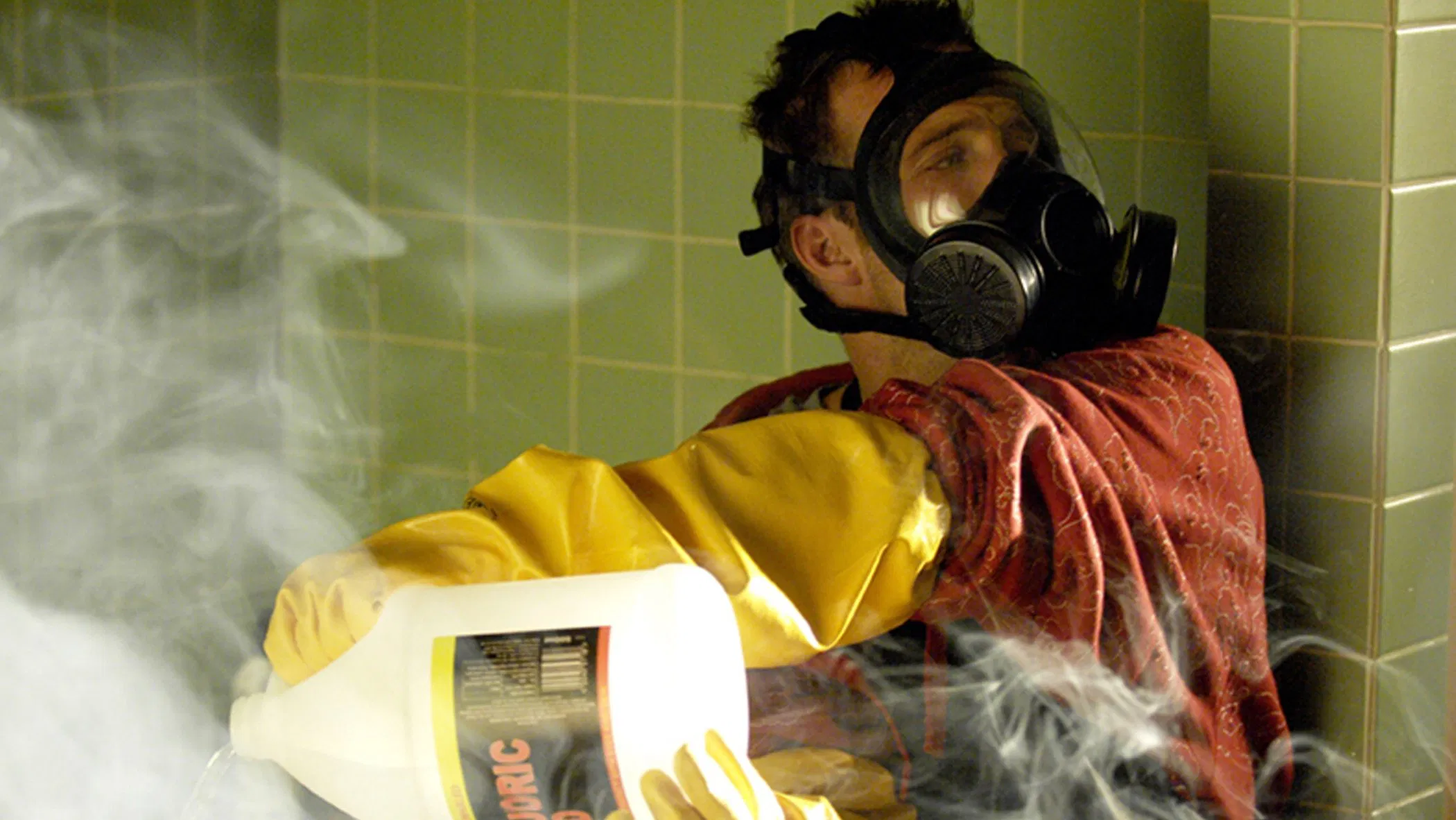
I really don't appreciate appears in
I really don't appreciate in other languages
- Arabicالعربية
أنا حقاً لا أقدر
لا أحب أو أقدر شيئًا ما.
- Bengaliবাংলা
আমি সত্যিই প্রশংসা করি না
আমার ভালো লাগছে না বা আমি কোনো কিছুর কদর করছি না।
- GermanDeutsch
Das finde ich gar nicht gut
Ich mag oder schätze etwas nicht.
- SpanishEspañol
La verdad es que no aprecio
No me gusta o no valoro algo.
- Persianفارسی
واقعا قدردانی نمیکنم
من چیزی را دوست ندارم یا برایم ارزش ندارد.
- FrenchFrançais
Je n'apprécie vraiment pas
Je n'aime pas ou je n'estime pas quelque chose.
- Hindiहिन्दी
मुझे सचमुच कद्र नहीं है
मुझे कुछ पसंद नहीं है या मैं उसे महत्व नहीं देता।
- ItalianItaliano
Non apprezzo per niente
Non mi piace o non do valore a qualcosa.
- PortuguesePortuguês
Eu realmente não aprecio
Não gosto ou não valorizo algo.
- RussianРусский
Мне очень не нравится
Мне что-то не нравится или я это не ценю.
- Urduاردو
مجھے واقعی قدر نہیں
مجھے کچھ پسند نہیں یا میں اس کی قدر نہیں کرتا۔
- Chinese中文
我真不领情
我不喜欢或不看重某事。
More chunks like I really don't appreciate
People also search for
- I really don't appreciate meaning
- meaning of I really don't appreciate
- I really don't appreciate definition
- define I really don't appreciate
- what does I really don't appreciate mean
- I really don't appreciate means
- how to use I really don't appreciate
Frequently asked questions about I really don't appreciate
What does I really don't appreciate mean?
I don't like or value something.
What is the definition of I really don't appreciate?
Expressing a lack of gratitude or value for something done or said.
How do you use I really don't appreciate in a sentence?
I really don't appreciate your tone in this discussion.
Can you give another example of I really don't appreciate?
The lack of communication from the team is something I really don't appreciate.
What are synonyms for I really don't appreciate?
Common alternatives include dislike, disapprove of, resent, detest, find unacceptable.
What words go with I really don't appreciate?
It commonly pairs with really don't appreciate the effort, really don't appreciate being treated this way, really don't appreciate the interruption.
What are common mistakes when using I really don't appreciate?
Using it for minor inconveniences, which can seem overly dramatic. Confusing 'appreciate' with 'appreciating', as in using them interchangeably. Mistaking it for a formal complaint when it's often used in casual conversations.
How do you pronounce I really don't appreciate?
US: //aɪ ˈrɪli doʊnt əˈpriʃieɪt//, UK: //aɪ ˈrɪəli dəʊnt əˈpriːʃieɪt//. Listen to the audio above to hear native pronunciation.
When should I use I really don't appreciate?
Use this phrase to express discontent over actions or behaviors. It's polite but firm, suitable for conversations where you want to address a negative feeling without being overly harsh.