 Cool Mate
Meaning of He's
In simple words: He is or he has
He's in a sentence
- He’s going to the party tonight.
- I think he’s the best candidate for the job.
- He’s finished his homework early today.
- He’s been working out regularly.
- Do you know if he’s coming over later?
How to use He's
Use 'he’s' for informal spoken and written contexts. Avoid in formal writing. Preferred for casual communication.
Grammar pattern
standalone pronoun + contraction
Memory hint
Think of 'He's a hero' - short for 'He is a hero'.

Related words
Collocations with He's
- he’s tired
- he’s ready
- he’s here
Synonyms for He's
- he is
- he has
Opposites of He's
- she's
- they're
Common mistakes with He's
- Confused with 'his' - 'he’s' means 'he is' or 'he has'
- Using 'he's' for plural subjects - 'they are' should be used instead
- Incorrectly punctuating - ensure the apostrophe is used properly
He's appears in





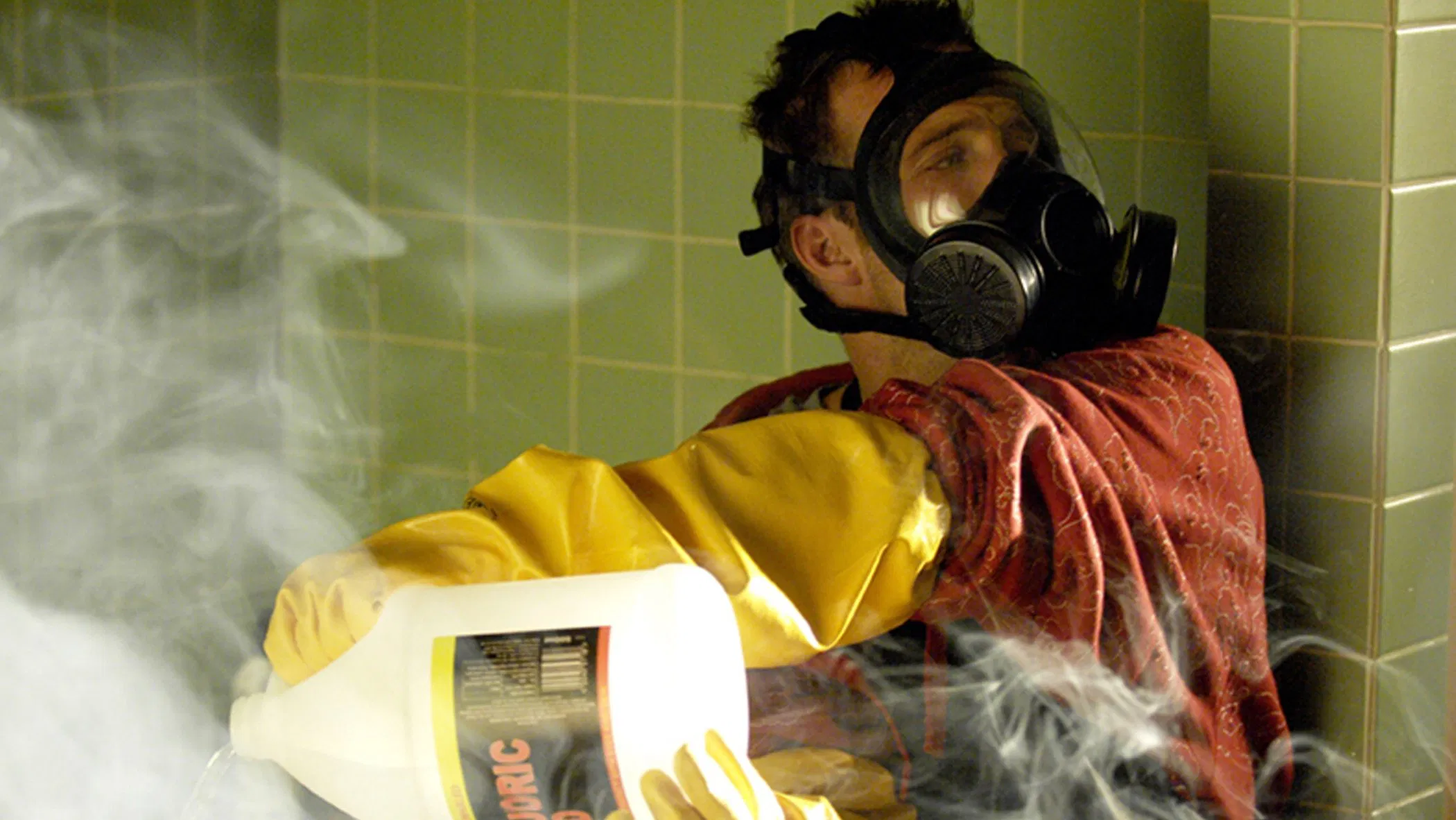




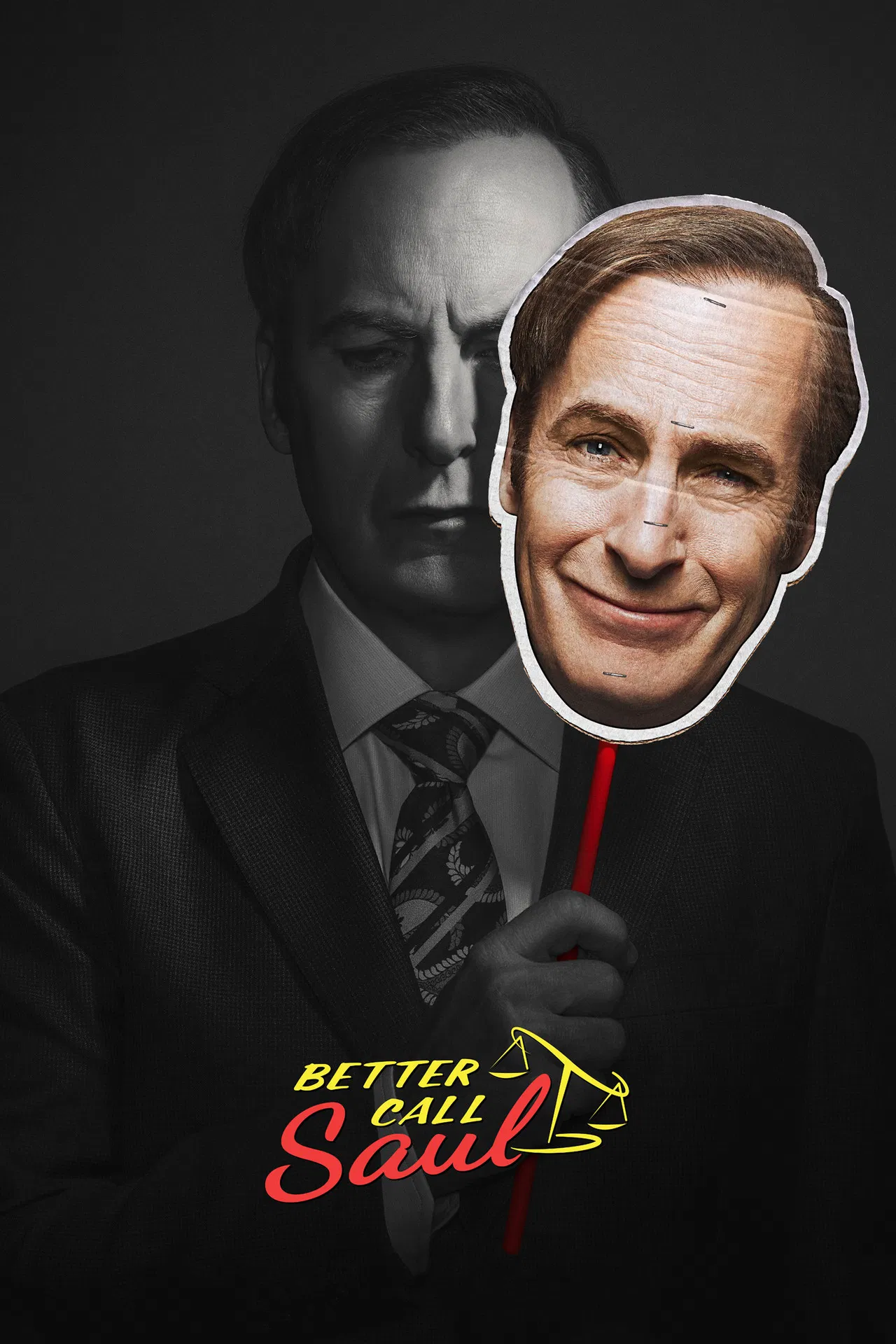
















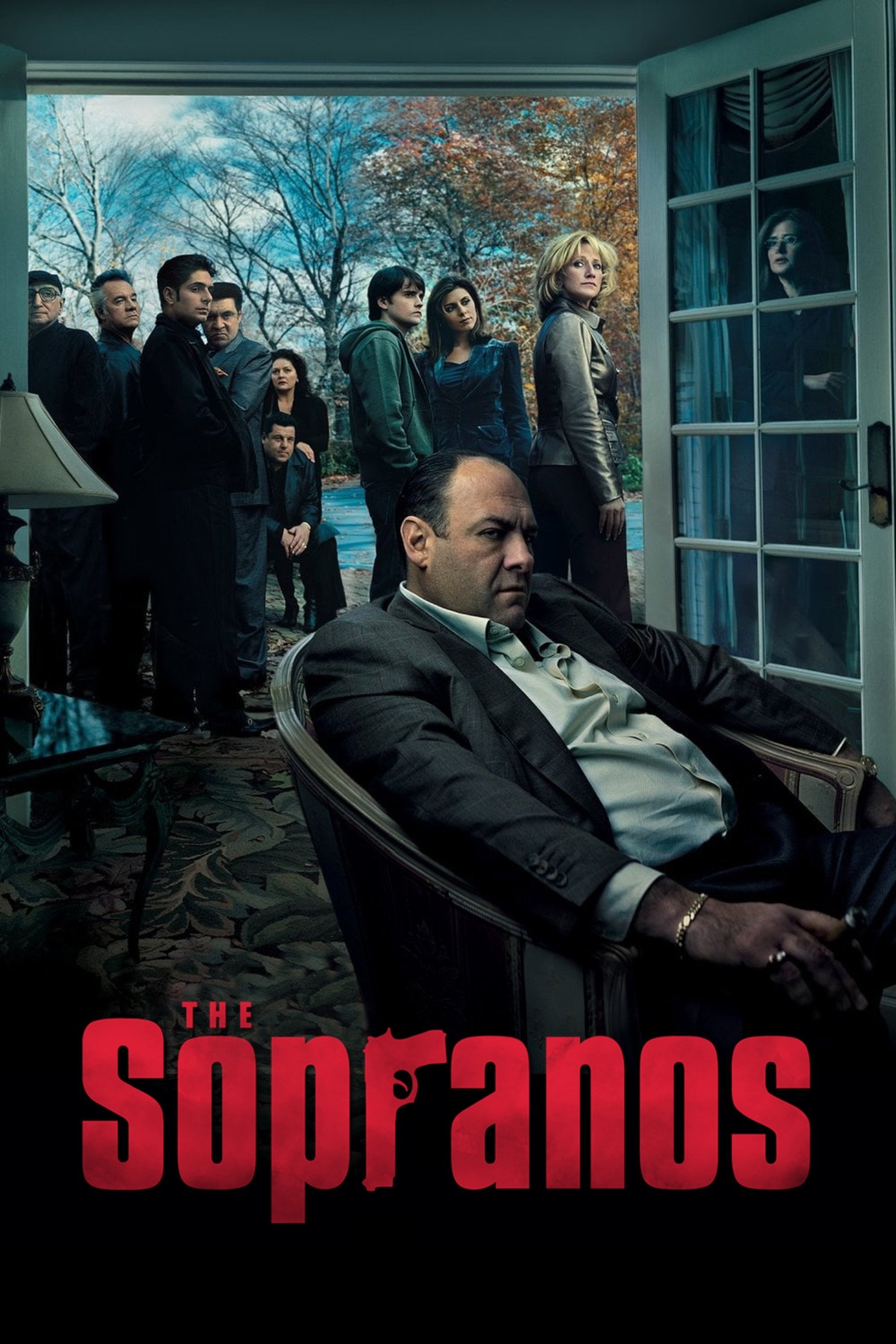

He's in other languages
- Arabicالعربية
هو
هو يكون أو هو لديه
- Bengaliবাংলা
ওর
সে অথবা তার আছে
- GermanDeutsch
Er ist, Er hat
Er ist oder er hat
- SpanishEspañol
Él está / Él ha
Él está o él ha
- Persianفارسی
اون هست، اون داره
یعنی «اون هست» یا «اون داره»
- FrenchFrançais
Il est / Il a
Il est ou il a
- Hindiहिन्दी
वह है
वह है या उसके पास है
- ItalianItaliano
Lui è, Lui ha
Lui è o lui ha
- PortuguesePortuguês
Ele é, Ele está, Ele tem
Ele é ou ele tem
- RussianРусский
Он
Он есть или у него есть
- Urduاردو
وہ ہے
وہ ہے یا اس کے پاس ہے
- Chinese中文
他(是/有)
他(是/有)
More words like He's
- Oh my god
An exclamation of surprise, shock, or amazement.
- Oh, god!
An expression of deep emotion, often used in surprise or frustration.
- Think, think, think
To have a particular opinion or belief about something.
- Gosh
An exclamation used to express surprise or wonder.
- Come on
A phrase used to urge or motivate someone.
- My name is
A phrase used to introduce yourself by stating your name.
People also search for
- He's meaning
- meaning of He's
- He's definition
- define He's
- what does He's mean
- He's means
- how to use He's
Frequently asked questions about He's
What does He's mean?
He is or he has
What is the definition of He's?
A contraction of 'he is' or 'he has'.
How do you use He's in a sentence?
He’s going to the party tonight.
Can you give another example of He's?
I think he’s the best candidate for the job.
What are synonyms for He's?
Common alternatives include he is, he has.
What is the opposite of He's?
Opposite meanings include she's, they're.
What words go with He's?
It commonly pairs with he’s tired, he’s ready, he’s here.
What are common mistakes when using He's?
Confused with 'his' - 'he’s' means 'he is' or 'he has' Using 'he's' for plural subjects - 'they are' should be used instead Incorrectly punctuating - ensure the apostrophe is used properly
How do you pronounce He's?
US: //hiz//, UK: //hiːz//. Listen to the audio above to hear native pronunciation.
When should I use He's?
Use 'he’s' for informal spoken and written contexts. Avoid in formal writing. Preferred for casual communication.