 Cool Mate
Significato in italiano
Cercare riparo
Significato di Take cover
to find shelter or protection from danger or bad weather
trovare riparo o protezione da un pericolo o dalle intemperie
In simple words: to find a safe place to protect yourself
trovare un posto sicuro per proteggersi
Take cover in una frase
- When the thunderstorm hit, we had to __take cover__ under a porch.Quando è arrivato il temporale, abbiamo dovuto __cercare riparo__ sotto un portico.
- The coach shouted to the players to __take cover__ from the flying debris.L'allenatore ha urlato ai giocatori di __cercare riparo__ dai detriti volanti.
- In case of an earthquake, remember to __take cover__ under a sturdy table.In caso di terremoto, ricorda di __cercare riparo__ sotto un tavolo robusto.
Come usare Take cover
Commonly used during emergencies. It's important to use in serious contexts, but can be casual in playful situations.
Comunemente usato durante le emergenze. È importante usarlo in contesti seri, ma può essere usato in modo informale in situazioni giocose.
Grammar pattern
take + cover
Memory hint
Imagine taking a blanket to cover yourself during a storm.

Parole correlate
Collocations with Take cover
- take cover immediately
- take cover from the rain
- take cover during the storm
Synonyms for Take cover
- seek shelter
- find refuge
- hide
Common mistakes with Take cover
- Confused with 'take' as a standalone verb
- Using 'cover' alone without 'take'
- Misunderstanding the context; thinking it's about taking something
Take cover appears in

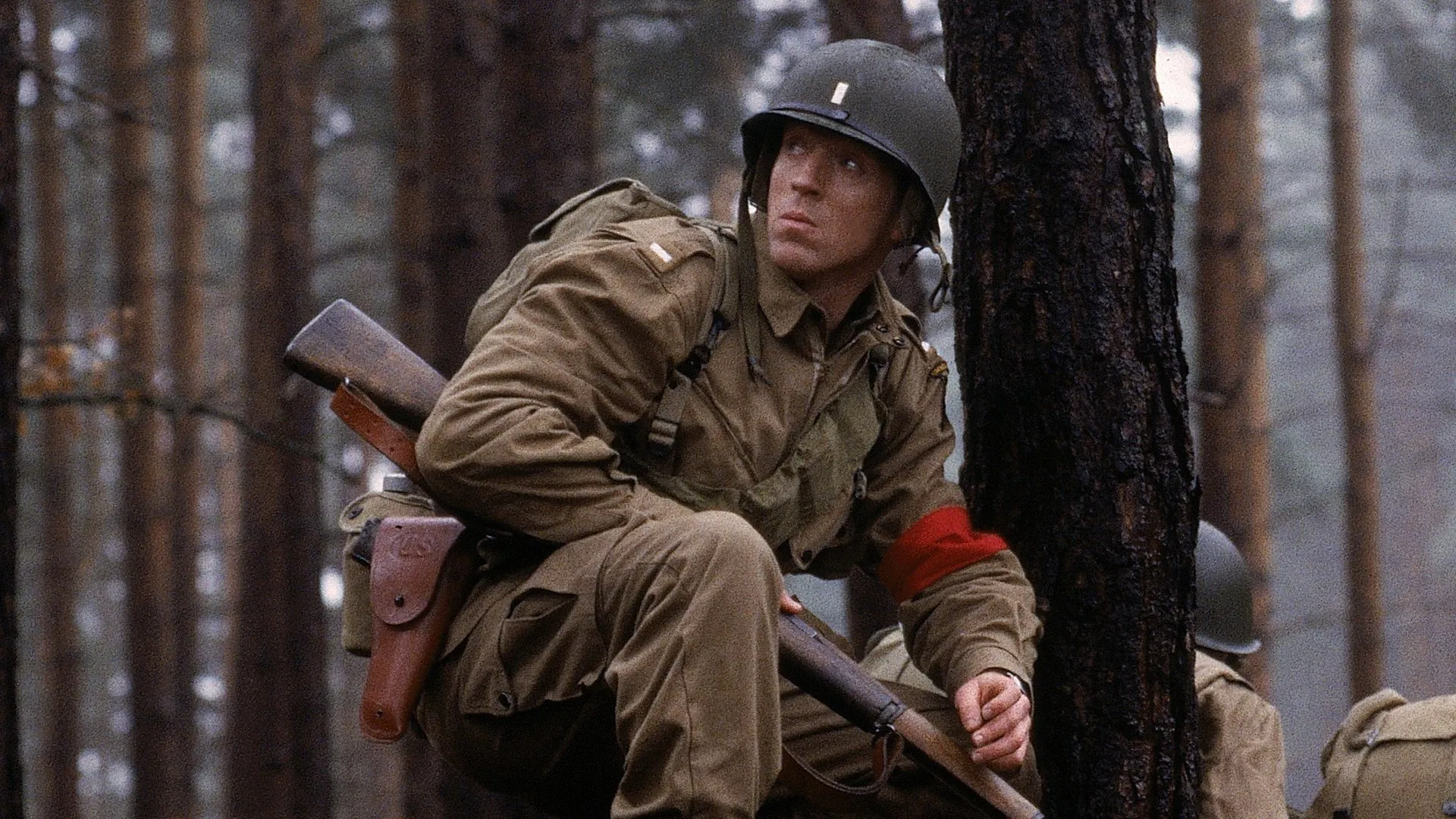

Take cover in altre lingue
- Arabicالعربية
احتمِ
أن تجد مكان آمن لحماية نفسك
- Bengaliবাংলা
আশ্রয় নাও
নিজেকে রক্ষা করার জন্য একটি নিরাপদ জায়গা খুঁজে বের করা
- GermanDeutsch
Schutz suchen
einen sicheren Ort finden, um sich zu schützen
- SpanishEspañol
Refugiarse
encontrar un lugar seguro para protegerte
- Persianفارسی
پناه گرفتن
یک جای امن برای محافظت از خود پیدا کردن
- FrenchFrançais
Mettez-vous à l'abri
Trouver un endroit sûr pour se protéger.
- Hindiहिन्दी
आश्रय लेना
खुद को बचाने के लिए सुरक्षित जगह खोजना
- PortuguesePortuguês
Abrigue-se
encontrar um lugar seguro para se proteger
- RussianРусский
Укрыться
найти безопасное место, чтобы защитить себя
- Urduاردو
پناہ لینا
خود کو بچانے کے لیے محفوظ جگہ تلاش کرنا
- Chinese中文
找掩护
找个安全的地方保护自己。
More chunks like Take cover
- Hide
- For this to work
Conditions that must be met for something to be successful.
- CorrectionC1
a change that makes something more accurate than it was before
- The world is changed
A statement indicating significant changes in the world.
- I feel it in the water
I sense or perceive something through the water.
- I feel it in the earth
I perceive a sensation or emotion connected to the earth.
Le persone cercano anche
- Take cover significato
- significato di Take cover
- cosa significa Take cover
- Take cover traduzione
- Take cover in italiano
- definizione di Take cover
- come si usa Take cover
Domande frequenti su Take cover
Cosa significa Take cover?
trovare un posto sicuro per proteggersi
Cosa significa Take cover in italiano?
trovare un posto sicuro per proteggersi
Qual è la definizione di Take cover?
trovare riparo o protezione da un pericolo o dalle intemperie
Come si usa Take cover in una frase?
When the thunderstorm hit, we had to __take cover__ under a porch.
Puoi fare un altro esempio di Take cover?
The coach shouted to the players to __take cover__ from the flying debris.
Quali sono i sinonimi di Take cover?
Alcune alternative comuni sono seek shelter, find refuge, hide.
Qual è il contrario di Take cover?
Significati opposti includono expose, reveal.
Quali parole si abbinano a Take cover?
Si abbina spesso a take cover immediately, take cover from the rain, take cover during the storm.
Quali sono gli errori comuni con Take cover?
Confused with 'take' as a standalone verb Using 'cover' alone without 'take' Misunderstanding the context; thinking it's about taking something
Come si pronuncia Take cover?
US: //teɪk ˈkʌvɚ//, UK: //teɪk ˈkʌvə//. Ascolta l'audio qui sopra per sentire la pronuncia madrelingua.
Quando dovrei usare Take cover?
Comunemente usato durante le emergenze. È importante usarlo in contesti seri, ma può essere usato in modo informale in situazioni giocose.