 Cool Mate
Signification en français
Pâle, Décoloré
Sens de Pale
having skin that is very light in colour; having skin that has less colour than usual because of illness, a strong emotion, etc.
Qui a la peau très claire ; qui a moins de couleur que d'habitude à cause de la maladie, d'une émotion forte, etc.
In simple words: Having a light color or little color.
Qui a une couleur claire ou peu de couleur.
Pale dans une phrase
- She felt pale after staying up all night with worry.Elle se sentait pâle après être restée éveillée toute la nuit à s'inquiéter.
- The walls were painted a pale blue that made the room feel larger.Les murs étaient peints d'un bleu pâle qui donnait une impression d'espace à la pièce.
- His skin looked pale due to the lack of sunlight in winter.Sa peau avait l'air pâle à cause du manque de soleil en hiver.
- The flowers in the garden are a pale pink, which is very soothing.Les fleurs du jardin sont d'un rose pâle, ce qui est très apaisant.
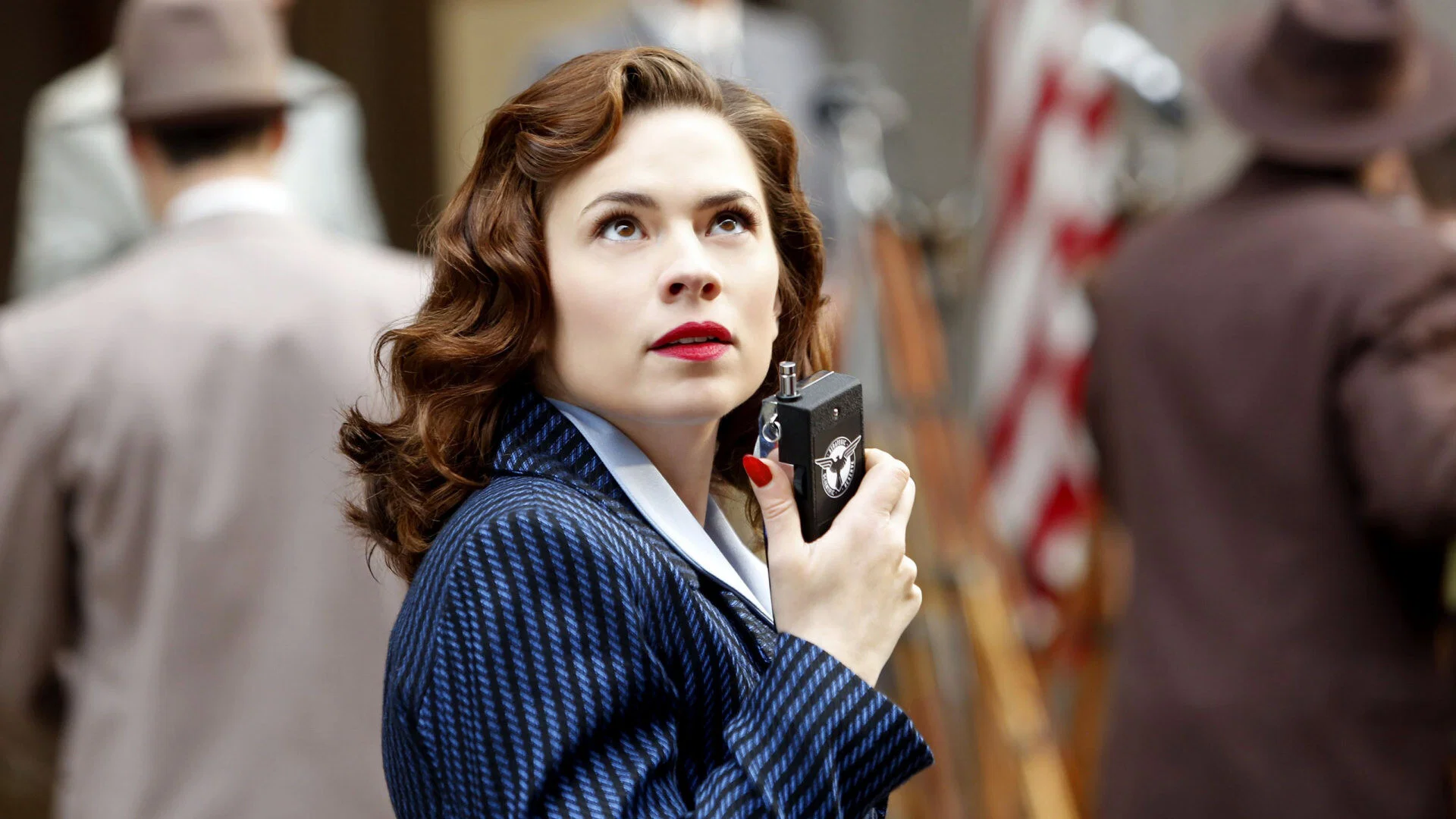
- Despite her pale complexion, she wore bright red lipstick confidently.Malgré son teint pâle, elle portait du rouge à lèvres rouge vif avec assurance.
- In contrast, the sunset was a pale orange that faded quickly.En revanche, le coucher de soleil était d'un orange pâle qui s'estompa rapidement.
- He tried to evade the issue, but his excuses fell pale compared to the truth.Il a essayé d'éviter le sujet, mais ses excuses semblaient bien faibles comparées à la vérité.
- They decided to use pale colors for the spring collection to give a fresh look.Ils ont décidé d'utiliser des couleurs pâles pour la collection printemps afin de donner un look frais.
Comment utiliser Pale
Use 'pale' to describe colors, especially in contrast to brighter ones. It's appropriate in both formal and informal contexts, but not often used for people unless discussing health.
Utilisez 'pâle' pour décrire des couleurs, surtout par contraste avec des couleurs plus vives. C'est approprié dans des contextes formels et informels, mais pas souvent utilisé pour les personnes sauf si on parle de santé.
Grammar pattern
standalone adjective
Memory hint
Think of a pale ghost – pale means light in color!

Mots liés
Common mistakes with Pale
- Confused with 'pail', which is a container.
- Using 'pale' to describe something that is simply light in weight, not color.
- Mixing up with 'pallid' which means unhealthy pale.
Pale appears in








Pale dans d'autres langues
- Arabicالعربية
شاحب
يمتلك لوناً فاتحاً أو قليلاً من اللون.
- Bengaliবাংলা
ফ্যাকাশে
হালকা বা কম রঙের হওয়া।
- GermanDeutsch
Blass, Hell
Hell oder wenig farbig sein.
- SpanishEspañol
Pálido
Tener un color claro o poco color.
- Persianفارسی
رنگ پریده، کمرنگ
رنگ روشن یا کمرنگ داشتن.
- Hindiहिन्दी
फीका, हल्का
हल्के रंग का या कम रंग का होना।
- ItalianItaliano
Pallido, Sbiadito
Di colore chiaro o poco colorito.
- PortuguesePortuguês
Pálido, Claro
Ter uma cor clara ou pouca cor.
- RussianРусский
Бледный, Бледный цвет
Светлый или неяркий цвет.
- Urduاردو
پیلہ
ہلکے رنگ کا یا کم رنگت والا۔
- Chinese中文
苍白
颜色浅或颜色少。
More words like Pale
Les gens recherchent aussi
- Pale signification
- que veut dire Pale
- signification de Pale
- Pale traduction
- Pale en français
- définition de Pale
- comment utiliser Pale
Questions fréquentes sur Pale
Que signifie Pale?
Qui a une couleur claire ou peu de couleur.
Que signifie Pale en français ?
Qui a une couleur claire ou peu de couleur.
Quelle est la définition de Pale?
Qui a la peau très claire ; qui a moins de couleur que d'habitude à cause de la maladie, d'une émotion forte, etc.
Comment utiliser Pale dans une phrase?
She felt pale after staying up all night with worry.
Peux-tu donner un autre exemple de Pale?
The walls were painted a pale blue that made the room feel larger.
Quels sont les synonymes de Pale?
Quelques alternatives courantes : light, washed-out, dim, colorless, faded.
Quel est le contraire de Pale?
Les sens opposés incluent dark, vibrant, bright.
Quels mots vont avec Pale?
Il s'associe souvent à appear, be, look, extremely, fairly, very, pale and drawn.
Quelles sont les erreurs courantes avec Pale?
Confused with 'pail', which is a container. Using 'pale' to describe something that is simply light in weight, not color. Mixing up with 'pallid' which means unhealthy pale.
Comment prononce-t-on Pale?
US: /["/peɪl/"]/, UK: /["/peɪl/"]/. Écoute l'audio ci-dessus pour entendre la prononciation native.
Quand dois-je utiliser Pale?
Utilisez 'pâle' pour décrire des couleurs, surtout par contraste avec des couleurs plus vives. C'est approprié dans des contextes formels et informels, mais pas souvent utilisé pour les personnes sauf si on parle de santé.
Quel niveau CEFR a Pale?
"Pale" est au niveau B1 sur l'échelle CEFR.