 Cool Mate
中文意思
最伟大的
Greatest 的意思
在其他事物中质量或等级最高的。
In simple words: the best or most important
最好的或最重要的
Greatest 例句
如何使用 Greatest
Use 'greatest' when comparing multiple items, often in superlative forms. Avoid in casual contexts where simpler terms suffice.
在比较多个项目时使用'最伟大的',通常用于最高级形式。在简单的场合避免使用。
Grammar pattern
standalone adjective
Memory hint
Think of a 'great' trophy for the best in a competition — the 'greatest'.

相关单词
Collocations with Greatest
- the greatest achievement
- the greatest impact
- the greatest contribution
- the greatest challenge
Opposites of Greatest
- least
- inferior
Common mistakes with Greatest
- Confused with 'greater' which is comparative, not superlative.
- Used incorrectly when describing two items instead of three or more.
Greatest appears in
 1423
1423S1 E1
 1399
1399S1 E1
 1039
1039S1 E1
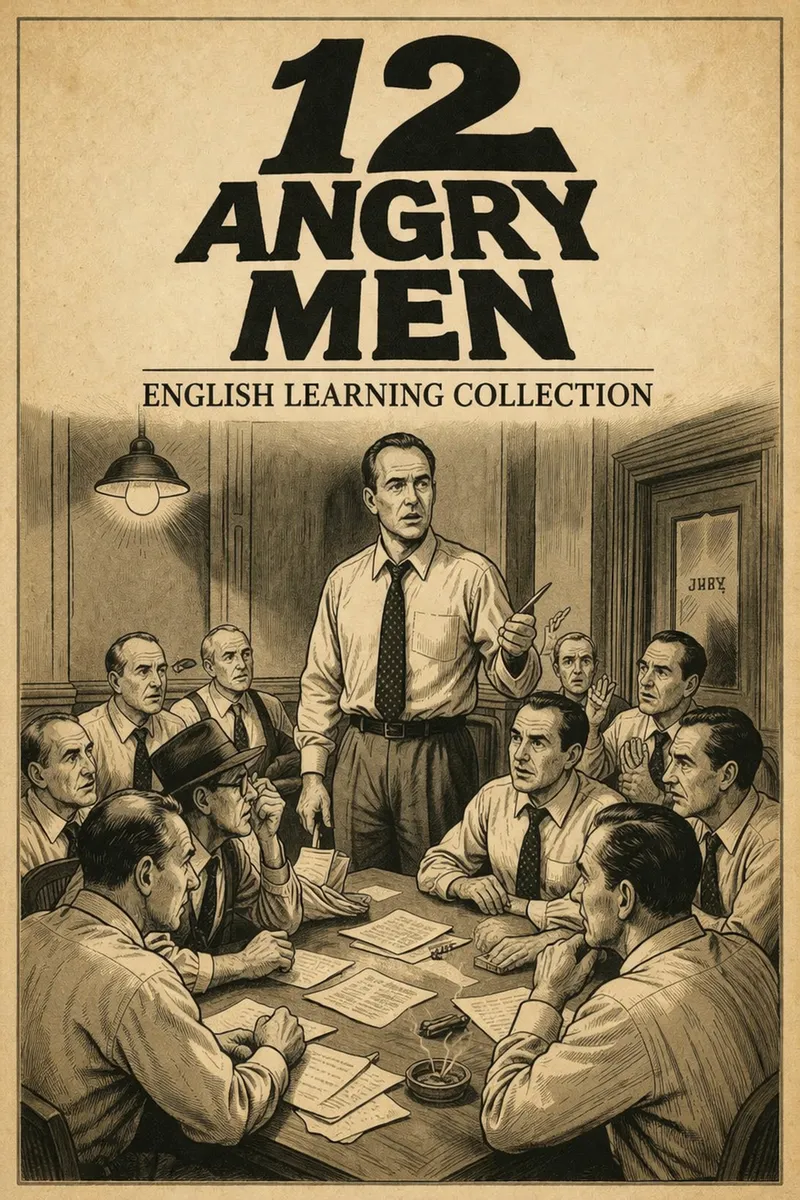 2799
2799 2742
2742 1396
1396S1 E4
 1305
1305S1 E5
 1364
1364S1 E7
 1649
1649S1 E1
 1091
1091S1 E1
 1464
1464S1 E1
 1728
1728S1 E1
 1673
1673S1 E1
 1114
1114S1 E1
 1287
1287S1 E1
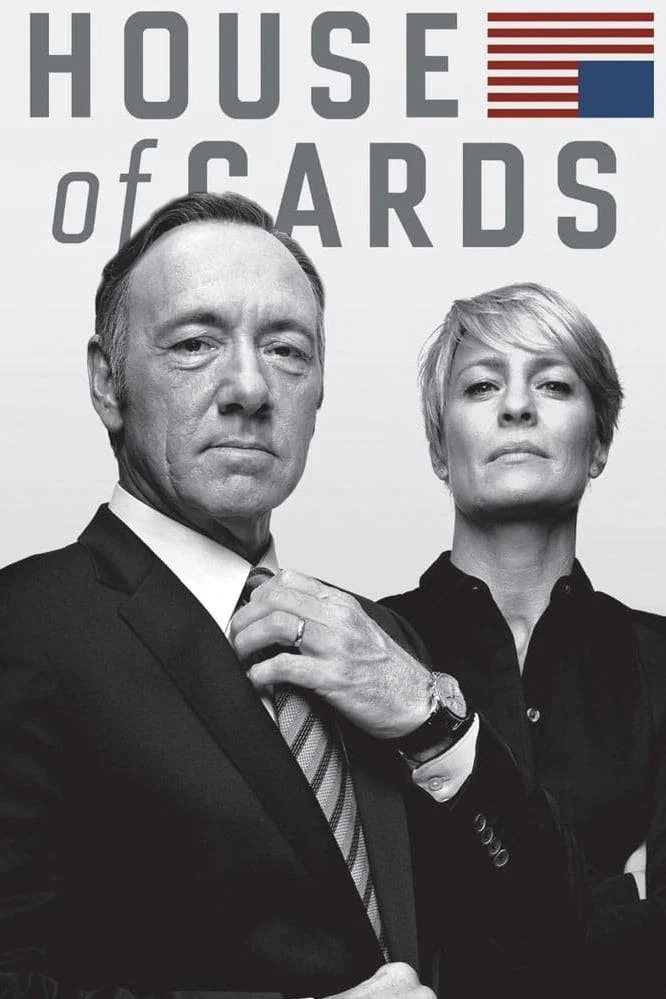 1936
1936S1 E1
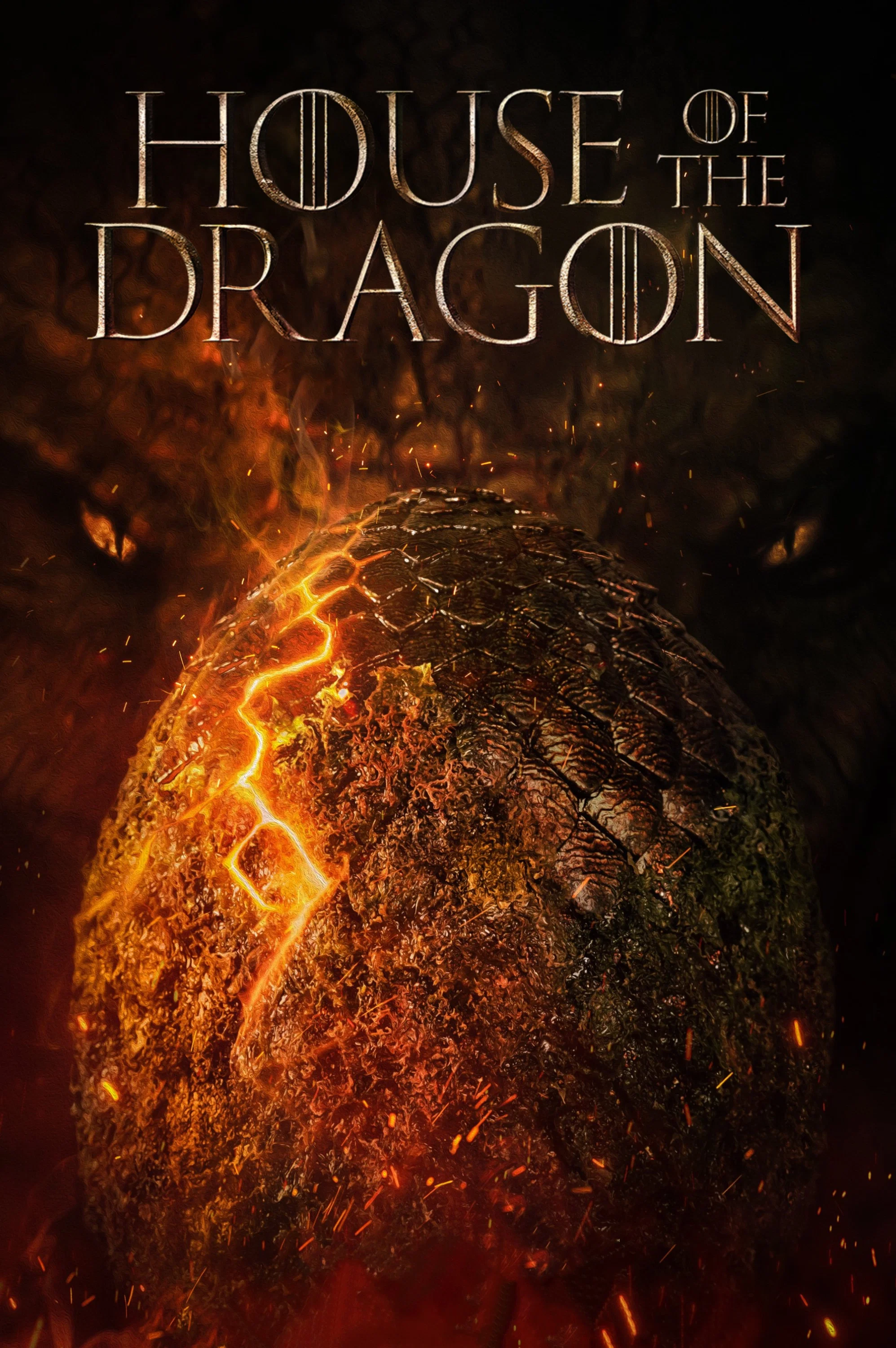 1466
1466S1 E1
 1205
1205S1 E1
 1463
1463S1 E1
 2413
2413S1 E1
 1423
1423S1 E1
 1880
1880S1 E1
 1964
1964S1 E1
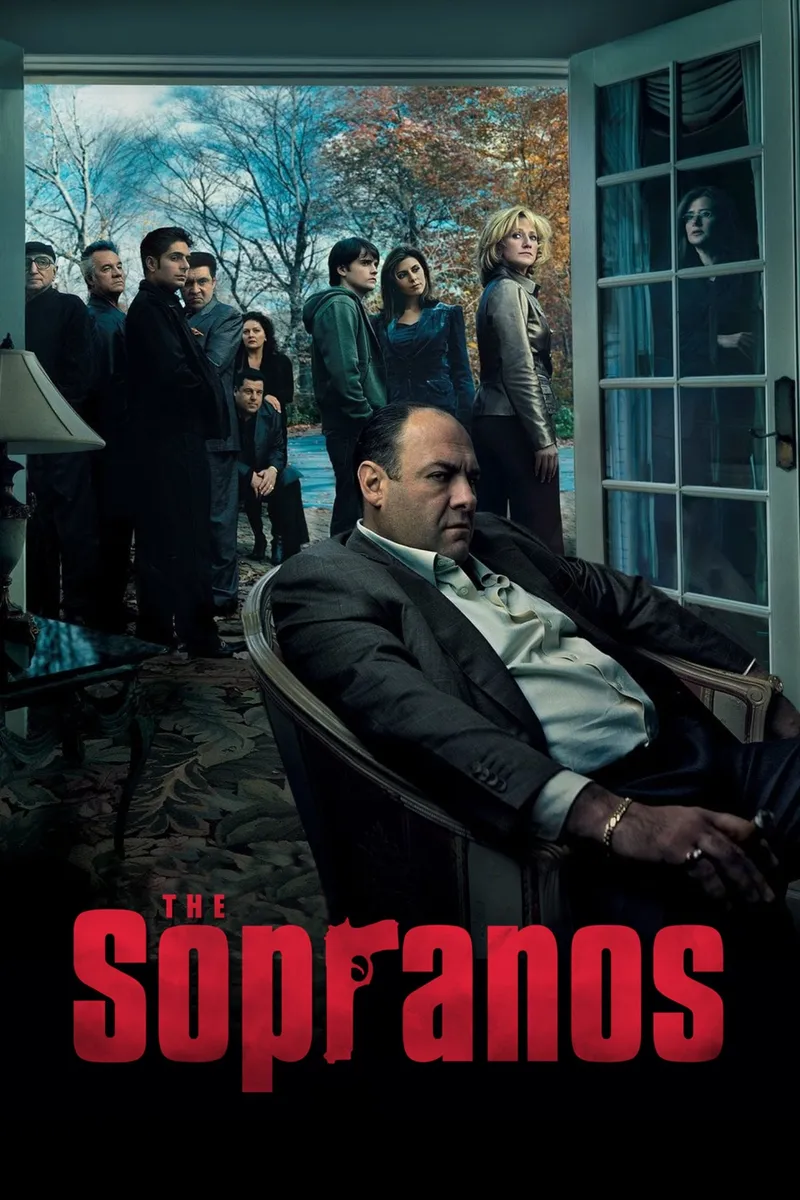 1926
1926S1 E1
 1822
1822S1 E1
 2202
2202S1 E1
 2717
2717 3241
3241Greatest 的其他语言
- Arabicالعربية
الأعظم
الأفضل أو الأهم
- Bengaliবাংলা
সর্বশ্রেষ্ঠ
সবচেয়ে ভালো বা গুরুত্বপূর্ণ
- GermanDeutsch
Größte
der Beste oder Wichtigste
- SpanishEspañol
El/La más grande
lo mejor o lo más importante
- Persianفارسی
عالیترین، بزرگترین
بهترین یا مهمترین
- FrenchFrançais
Le plus grand
le meilleur ou le plus important
- Hindiहिन्दी
सबसे महान
सबसे अच्छा या सबसे महत्वपूर्ण
- ItalianItaliano
Il più grande
il migliore o il più importante
- PortuguesePortuguês
Maior
o melhor ou o mais importante
- RussianРусский
Величайший
лучший или самый важный
- Urduاردو
سب سے بڑا
بہترین یا سب سے اہم
More words like Greatest
大家还在搜
- Greatest 意思
- Greatest 是什么意思
- Greatest 的意思
- Greatest 中文
- Greatest 翻译
- Greatest 含义
- Greatest 解释
关于 Greatest 的常见问题
Greatest 是什么意思?
最好的或最重要的
Greatest 的中文意思是什么?
最好的或最重要的
Greatest 的定义是什么?
在其他事物中质量或等级最高的。
如何在句子中使用 Greatest?
She is the greatest athlete of all time.
能再举一个 Greatest 的例子吗?
This is the greatest book I've ever read.
Greatest 的近义词有哪些?
常见的替代说法包括 best, finest, top, supreme, ultimate。
Greatest 的反义词是什么?
相反的意思包括 least, inferior。
哪些词和 Greatest 搭配?
它常与 the greatest achievement, the greatest impact, the greatest contribution, the greatest challenge 搭配。
使用 Greatest 时常见的错误有哪些?
Confused with 'greater' which is comparative, not superlative. Used incorrectly when describing two items instead of three or more.
Greatest 怎么发音?
US: //ˈɡreɪtɪst//, UK: //ˈɡreɪtɪst//。点击上方音频,听母语者的发音。
什么时候该用 Greatest?
在比较多个项目时使用'最伟大的',通常用于最高级形式。在简单的场合避免使用。