 Cool Mate
中文意思
Children
Children 的意思
未成年的、法律上还不是成年人的年轻人类。
In simple words: Young people who are not yet adults.
还没长大的年轻人。
Children 例句
- The children are playing in the yard.孩子们正在院子里玩耍。
- Many children enjoy reading storybooks.很多孩子喜欢读故事书。
- It's important to protect the rights of children.保护儿童的权利很重要。
- The school organizes events for children.学校会为孩子们组织活动。
- Children are often curious about the world.孩子们对世界常常充满好奇。
如何使用 Children
Commonly used in formal and informal contexts. Avoid when discussing adults.
在正式和非正式场合都很常用。讨论成年人时避免使用。
Grammar pattern
children + verb (e.g., play, learn)
Memory hint
Think of 'child' and add 'ren' like friends, but for young ones.

相关单词
Collocations with Children
- parenting children
- educating children
- children's games
- children's rights
- raise children
Opposites of Children
- adults
- grown-ups
Common mistakes with Children
- Confused with 'child' for plural form.
- Omitting context, making it vague.
- Using 'child' when referring to multiple individuals.
Children appears in
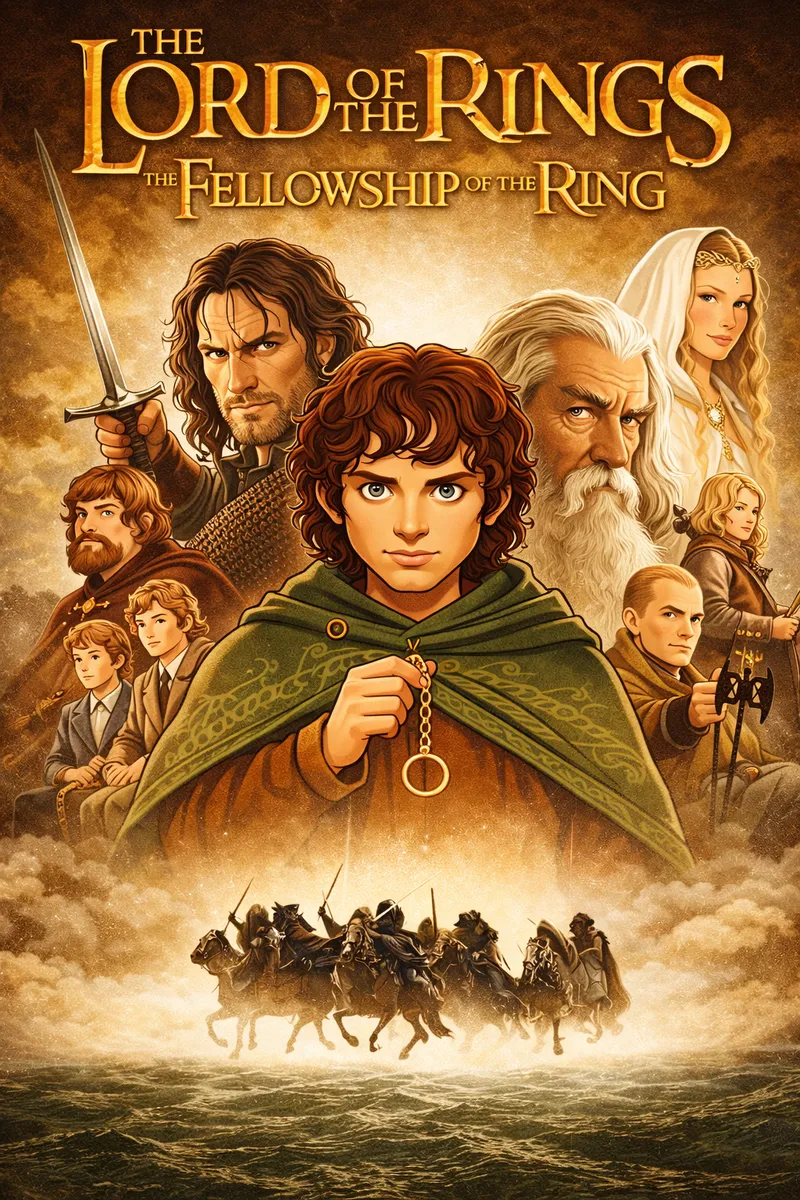
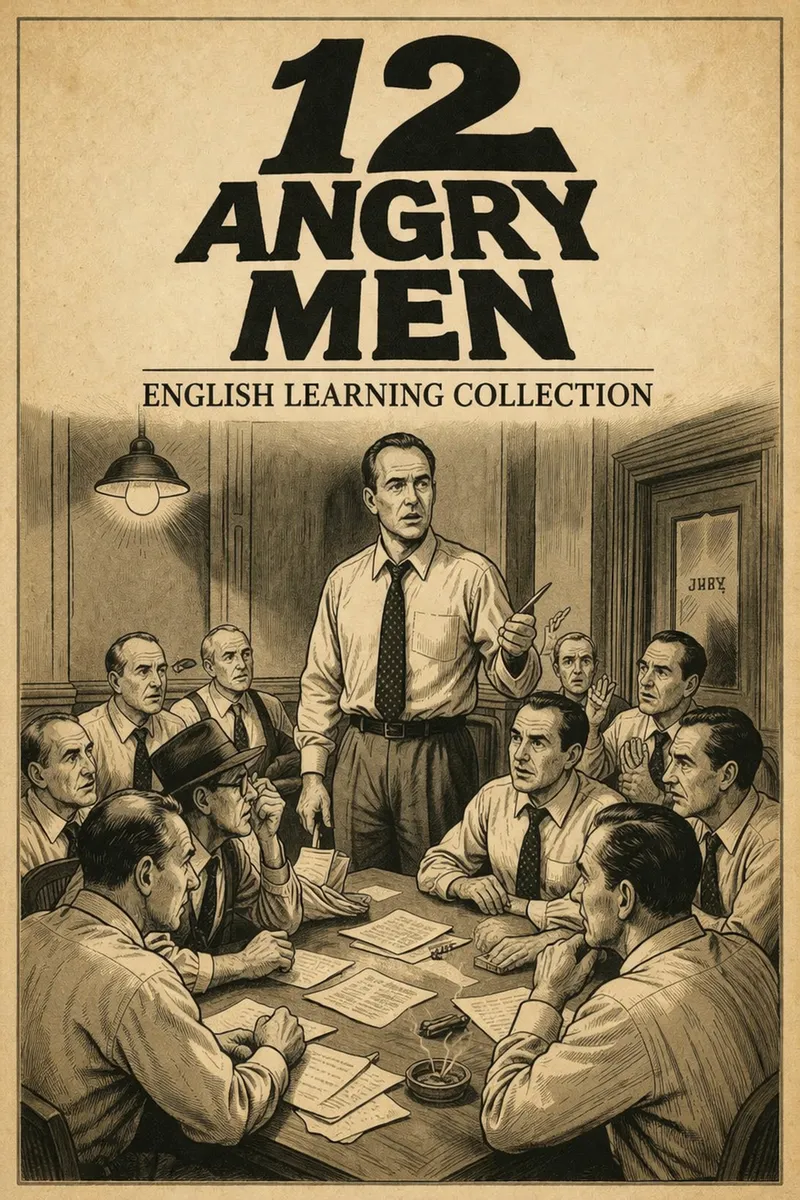


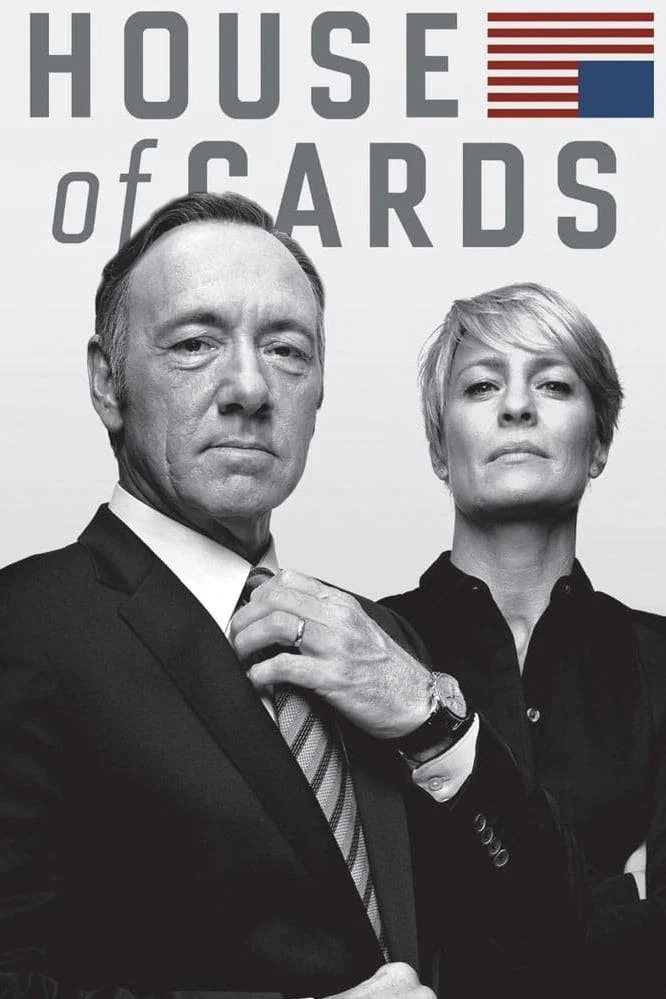
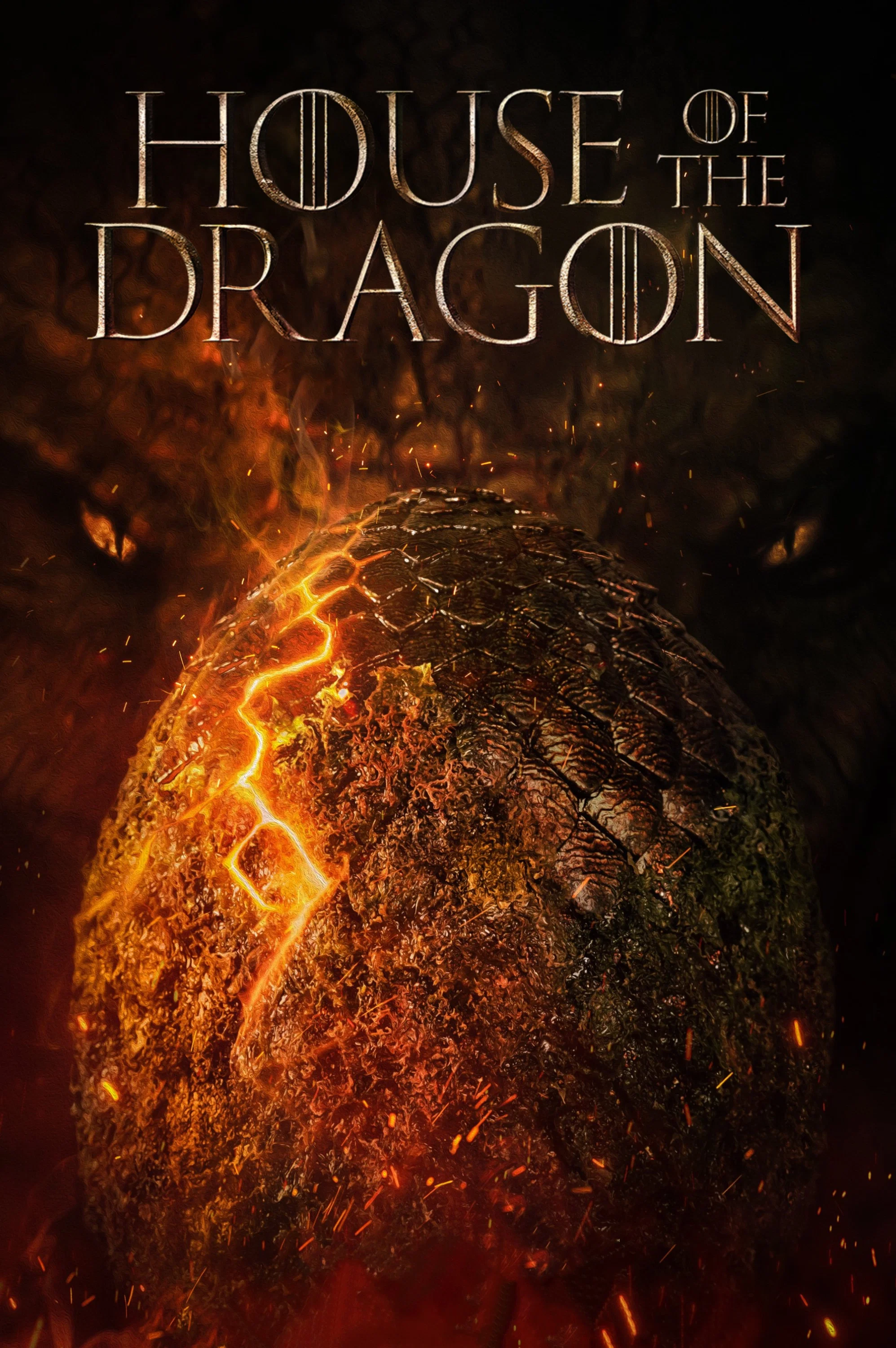






Children 的其他语言
- Arabicالعربية
أطفال
ناس صغار لسه مش كبار.
- Bengaliবাংলা
শিশু
ছোট বাচ্চা যারা এখনো বড় হয়নি।
- GermanDeutsch
Kinder
Junge Leute, die noch keine Erwachsenen sind.
- SpanishEspañol
Niños
Personas jóvenes que aún no son adultas.
- Persianفارسی
کودکان
افراد جوانی که هنوز بزرگسال نیستند.
- FrenchFrançais
Enfants
Des jeunes qui ne sont pas encore adultes.
- Hindiहिन्दी
बच्चे
छोटे लोग जो अभी तक बड़े नहीं हुए हैं।
- ItalianItaliano
Bambini
Ragazzi che non sono ancora adulti.
- PortuguesePortuguês
Crianças
Pessoas jovens que ainda não são adultas.
- RussianРусский
Дети
Маленькие люди, которые еще не взрослые.
- Urduاردو
بچے
نوجوان لوگ جو ابھی تک بالغ نہیں ہیں۔
More words like Children
- Kids
- Youth
- For this to work
Conditions that must be met for something to be successful.
- CorrectionC1
a change that makes something more accurate than it was before
- The world is changed
A statement indicating significant changes in the world.
- I feel it in the water
I sense or perceive something through the water.
大家还在搜
- Children 意思
- Children 是什么意思
- Children 的意思
- Children 中文
- Children 翻译
- Children 含义
- Children 解释
关于 Children 的常见问题
Children 是什么意思?
还没长大的年轻人。
Children 的中文意思是什么?
还没长大的年轻人。
Children 的定义是什么?
未成年的、法律上还不是成年人的年轻人类。
如何在句子中使用 Children?
The children are playing in the yard.
能再举一个 Children 的例子吗?
Many children enjoy reading storybooks.
Children 的近义词有哪些?
常见的替代说法包括 kids, youth, youngsters, minors, little ones。
Children 的反义词是什么?
相反的意思包括 adults, grown-ups。
哪些词和 Children 搭配?
它常与 parenting children, educating children, children's games, children's rights, raise children 搭配。
使用 Children 时常见的错误有哪些?
Confused with 'child' for plural form. Omitting context, making it vague. Using 'child' when referring to multiple individuals.
Children 怎么发音?
US: //ˈtʃɪldrən//, UK: //ˈtʃɪldrən//。点击上方音频,听母语者的发音。
什么时候该用 Children?
在正式和非正式场合都很常用。讨论成年人时避免使用。