 Cool Mate
Signification en français
Tu comprends / Vous comprenez
Sens de Do you understand
A question asking if someone knows or comprehends something.
Une question pour savoir si quelqu'un sait ou comprend quelque chose.
In simple words: Do you get it?
Tu piges ? / Vous pigez ?
Do you understand dans une phrase
- After explaining the project, I asked, 'Do you understand?'Après avoir expliqué le projet, j'ai demandé : 'Tu comprends ?'
- The teacher paused and looked around, saying, 'Do you understand?'L'enseignant a fait une pause et a regardé autour de lui, disant : 'Vous comprenez ?'
- When I finished my explanation, she nodded and replied, 'Yes, I understand.'Quand j'ai fini mon explication, elle a hoché la tête et a répondu : 'Oui, je comprends.'
- I often ask my friends, 'Do you understand the instructions I gave?'Je demande souvent à mes amis : 'Tu comprends les instructions que j'ai données ?'
- The manager asked the team, 'Do you understand our goals for this quarter?'Le manager a demandé à l'équipe : 'Vous comprenez nos objectifs pour ce trimestre ?'
Comment utiliser Do you understand
Use this phrase to check if someone comprehends what's been said. It's suitable in both casual and formal contexts.
Utilise cette phrase pour vérifier si quelqu'un a compris ce qui a été dit. C'est approprié dans des contextes décontractés comme formels.
Grammar pattern
standalone greeting
Memory hint
Think of 'do' as the helper for checking understanding.

Mots liés
Collocations with Do you understand
- do you understand?
- to understand clearly
- to fully understand
- understand the concept
- understand the task
Synonyms for Do you understand
- Do you get it?
- Are you following?
- Do you grasp?
- Do you see?
- Is it clear?
Common mistakes with Do you understand
- Using 'understand' without 'do you' in questions (e.g., 'Understand?')
- Forgetting to include 'you' for the correct address
- Mispronouncing 'understand' as 'understanded'
Do you understand appears in


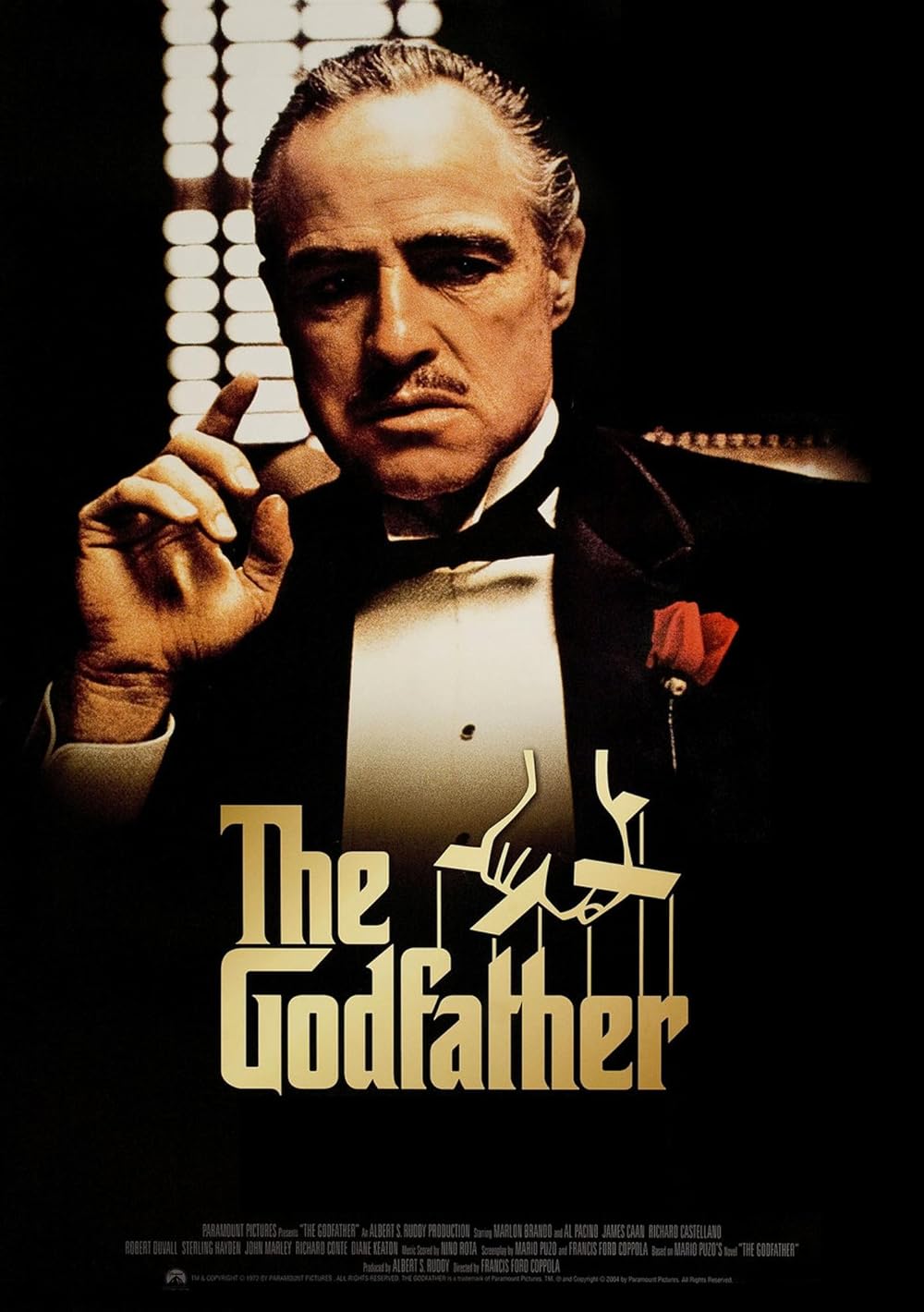
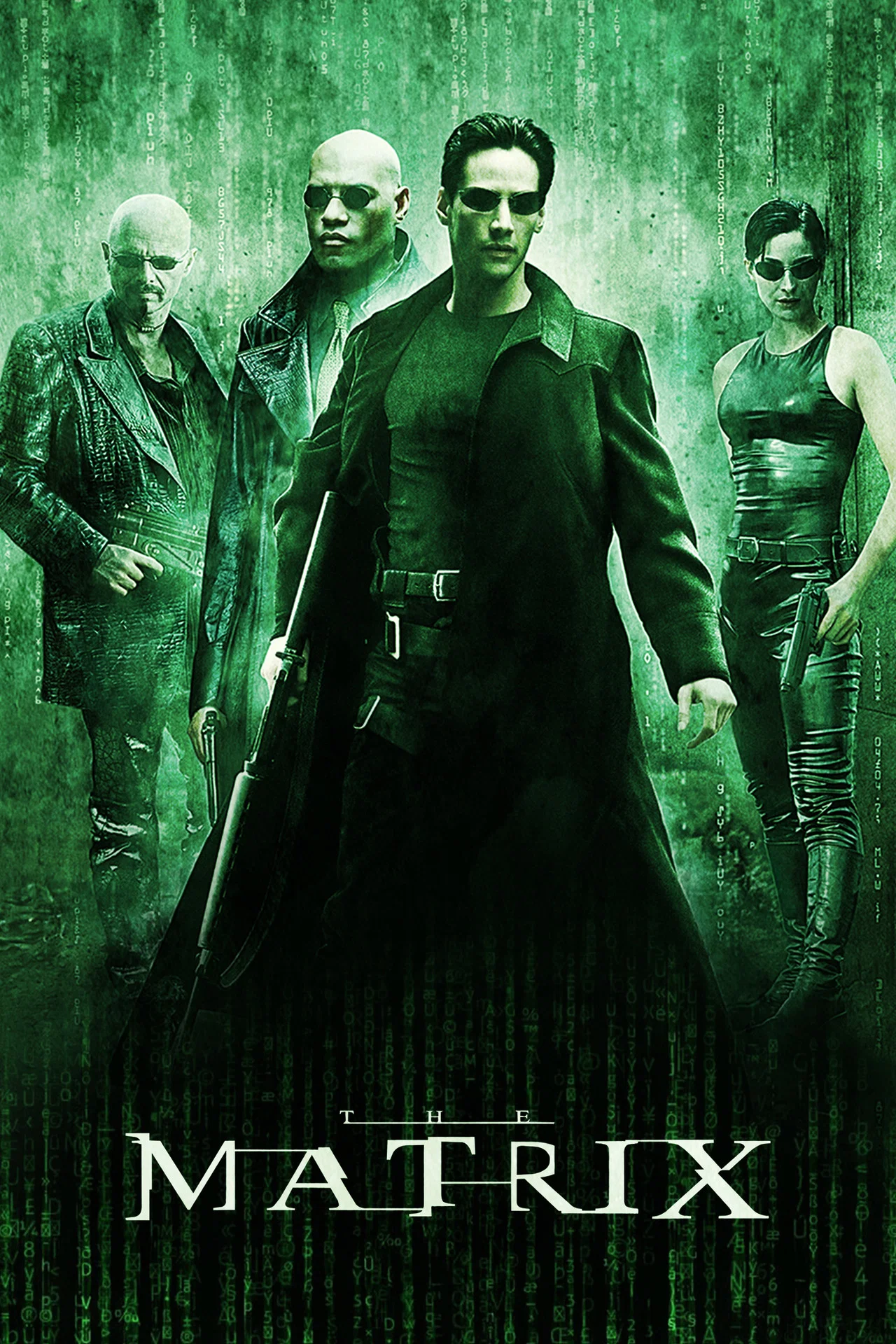


Do you understand dans d'autres langues
- Arabicالعربية
هل تفهم
هل فهمت؟
- Bengaliবাংলা
তুমি কি বুঝতে পারছ
তুমি কি বুঝলে?
- GermanDeutsch
Verstehst du
Hast du es kapiert?
- SpanishEspañol
¿Entiendes?
¿Lo pillas?
- Persianفارسی
متوجه شدی؟
میفهمی؟
- Hindiहिन्दी
क्या आप समझे
क्या समझे?
- ItalianItaliano
Capisci
Hai capito?
- PortuguesePortuguês
Você entende
Você entendeu?
- RussianРусский
Ты понимаешь
Ты понял?
- Urduاردو
سمجھتے ہو؟
سمجھ گئے؟
- Chinese中文
你明白吗
你懂了吗?
More chunks like Do you understand
Les gens recherchent aussi
- Do you understand signification
- que veut dire Do you understand
- signification de Do you understand
- Do you understand traduction
- Do you understand en français
- définition de Do you understand
- comment utiliser Do you understand
Questions fréquentes sur Do you understand
Que signifie Do you understand?
Tu piges ? / Vous pigez ?
Que signifie Do you understand en français ?
Tu piges ? / Vous pigez ?
Quelle est la définition de Do you understand?
Une question pour savoir si quelqu'un sait ou comprend quelque chose.
Comment utiliser Do you understand dans une phrase?
After explaining the project, I asked, 'Do you understand?'
Peux-tu donner un autre exemple de Do you understand?
The teacher paused and looked around, saying, 'Do you understand?'
Quels sont les synonymes de Do you understand?
Quelques alternatives courantes : Do you get it?, Are you following?, Do you grasp?, Do you see?, Is it clear?.
Quels mots vont avec Do you understand?
Il s'associe souvent à do you understand?, to understand clearly, to fully understand, understand the concept, understand the task.
Quelles sont les erreurs courantes avec Do you understand?
Using 'understand' without 'do you' in questions (e.g., 'Understand?') Forgetting to include 'you' for the correct address Mispronouncing 'understand' as 'understanded'
Comment prononce-t-on Do you understand?
US: //də ju ˌʌndərˈstænd//, UK: //də juː ˌʌndəˈstænd//. Écoute l'audio ci-dessus pour entendre la prononciation native.
Quand dois-je utiliser Do you understand?
Utilise cette phrase pour vérifier si quelqu'un a compris ce qui a été dit. C'est approprié dans des contextes décontractés comme formels.