 Cool Mate
Significado en español
Sabía
Significado de I knew
A phrase indicating past knowledge or awareness.
Una frase que indica conocimiento o conciencia pasada.
In simple words: I understood or was aware of something before.
Entendí o era consciente de algo antes.
I knew en una frase
- I knew you would come to the party.Sabía que vendrías a la fiesta.
- At that moment, I knew I had made a mistake.En ese momento, supe que había cometido un error.
- I knew the answer, but I hesitated to speak.Sabía la respuesta, pero dudé en hablar.
- Before he even mentioned it, I knew something was wrong.Incluso antes de que lo mencionara, supe que algo andaba mal.
- I knew that movie was going to be great!¡Sabía que esa película iba a ser genial!
Cómo usar I knew
Use this phrase when referring to past understanding or awareness. It’s neutral and widely applicable, but can sound less formal in written contexts.
Usa esta frase cuando te refieras a un entendimiento o conciencia pasada. Es neutral y muy aplicable, pero puede sonar menos formal en contextos escritos.
Grammar pattern
know + clause
Memory hint
Remember 'I knew' as 'I knew it before you did!'

Palabras relacionadas
Collocations with I knew
- I knew it
- I knew you
- I knew better
- I knew the truth
- I knew him
Synonyms for I knew
- I realized
- I understood
- I recognized
- I was aware
- I comprehended
Opposites of I knew
- I didn't know
- I didn't realize
- I was unaware
Common mistakes with I knew
- Confusing with 'I know' for present tense.
- Incorrect verb conjugation, e.g., 'I knw'.
- Using it in situations where 'I didn't know' is appropriate.
I knew appears in












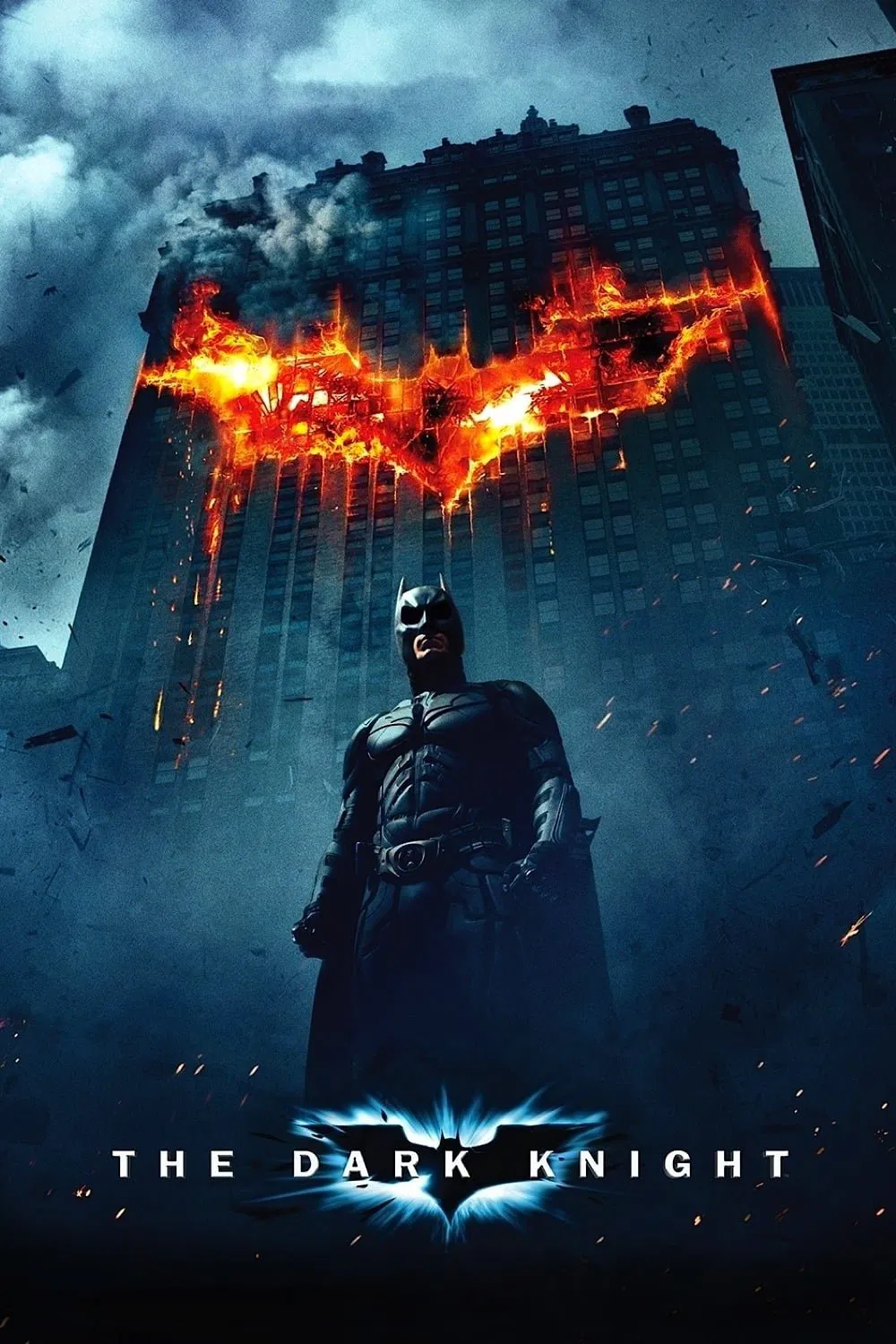
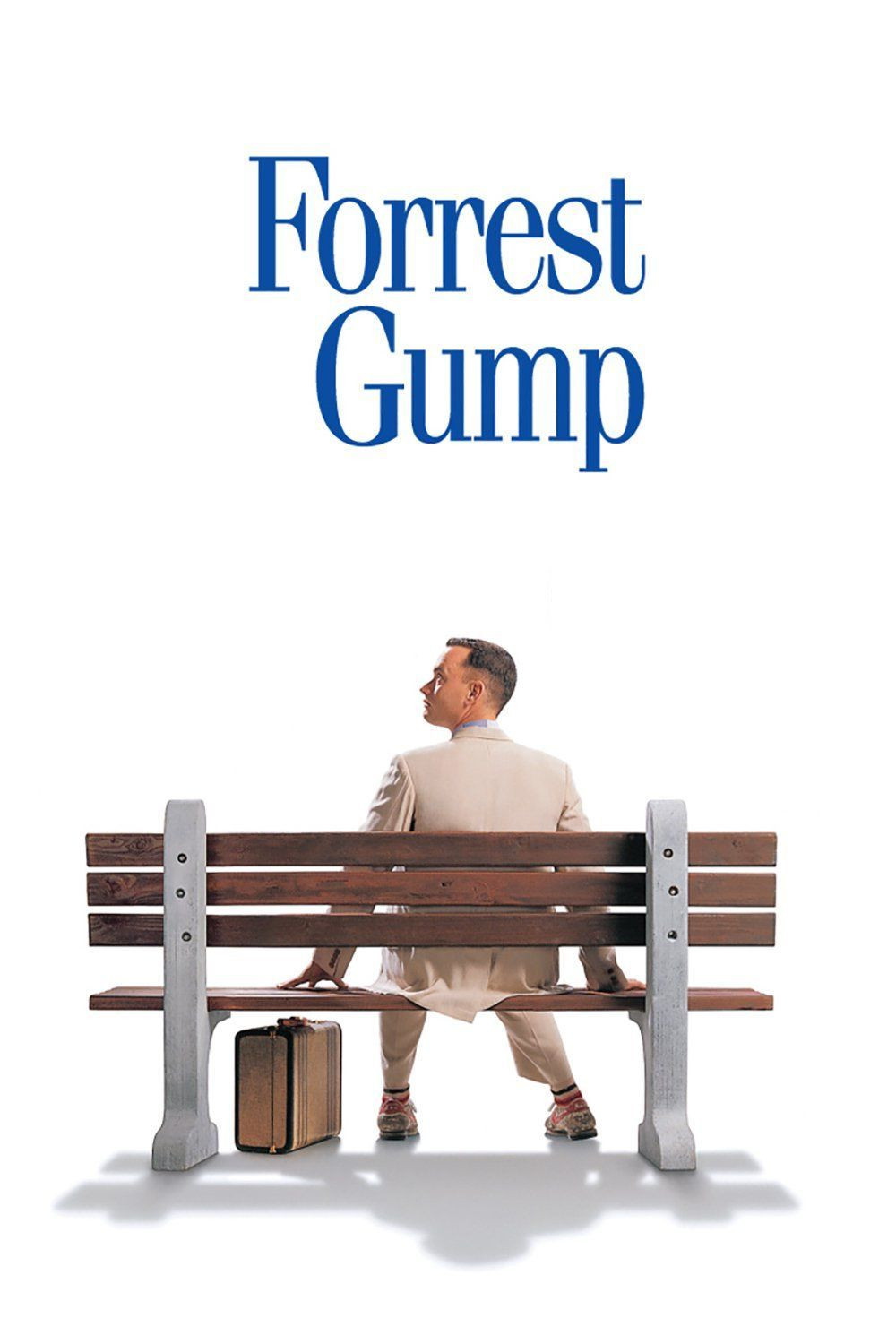
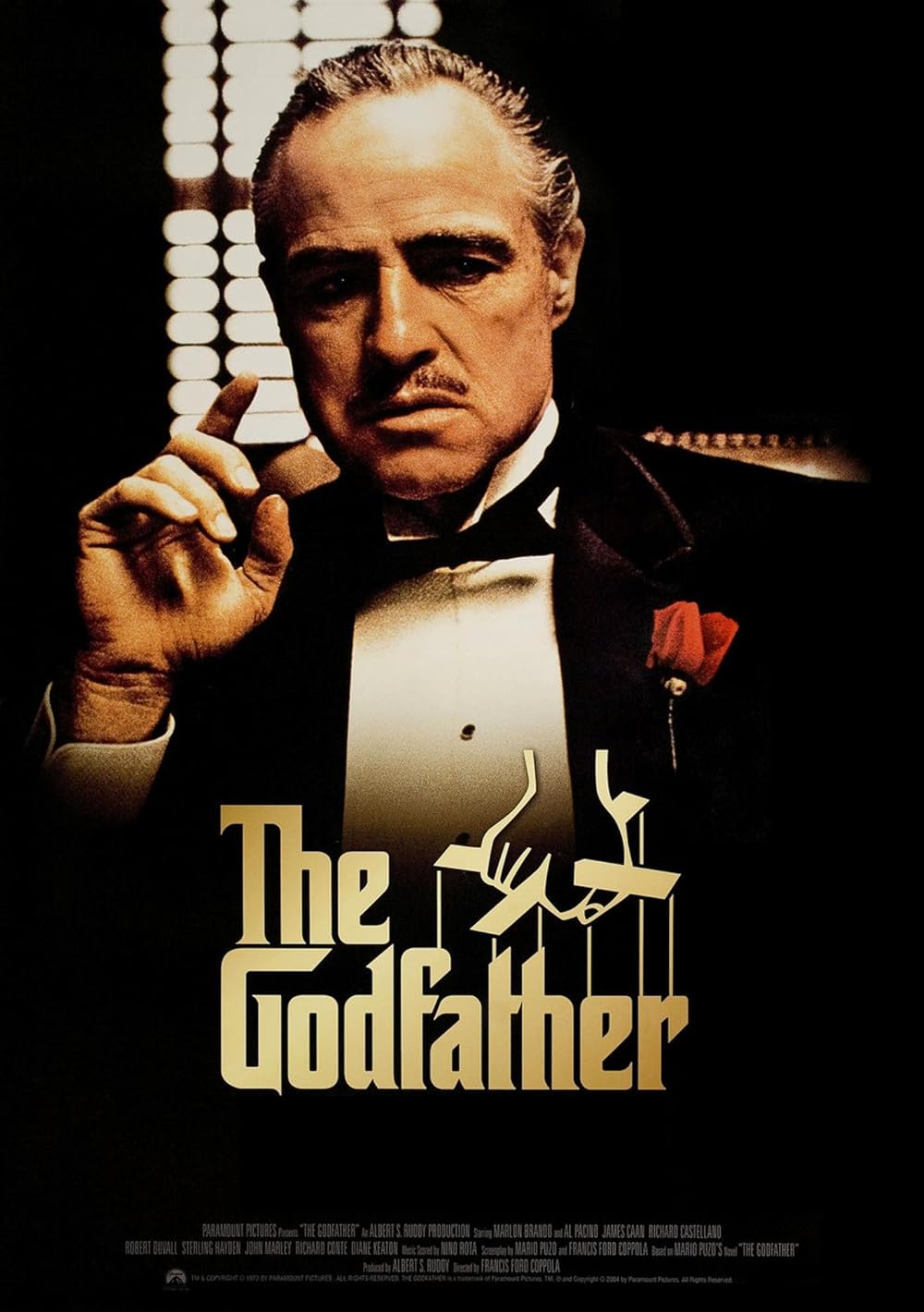
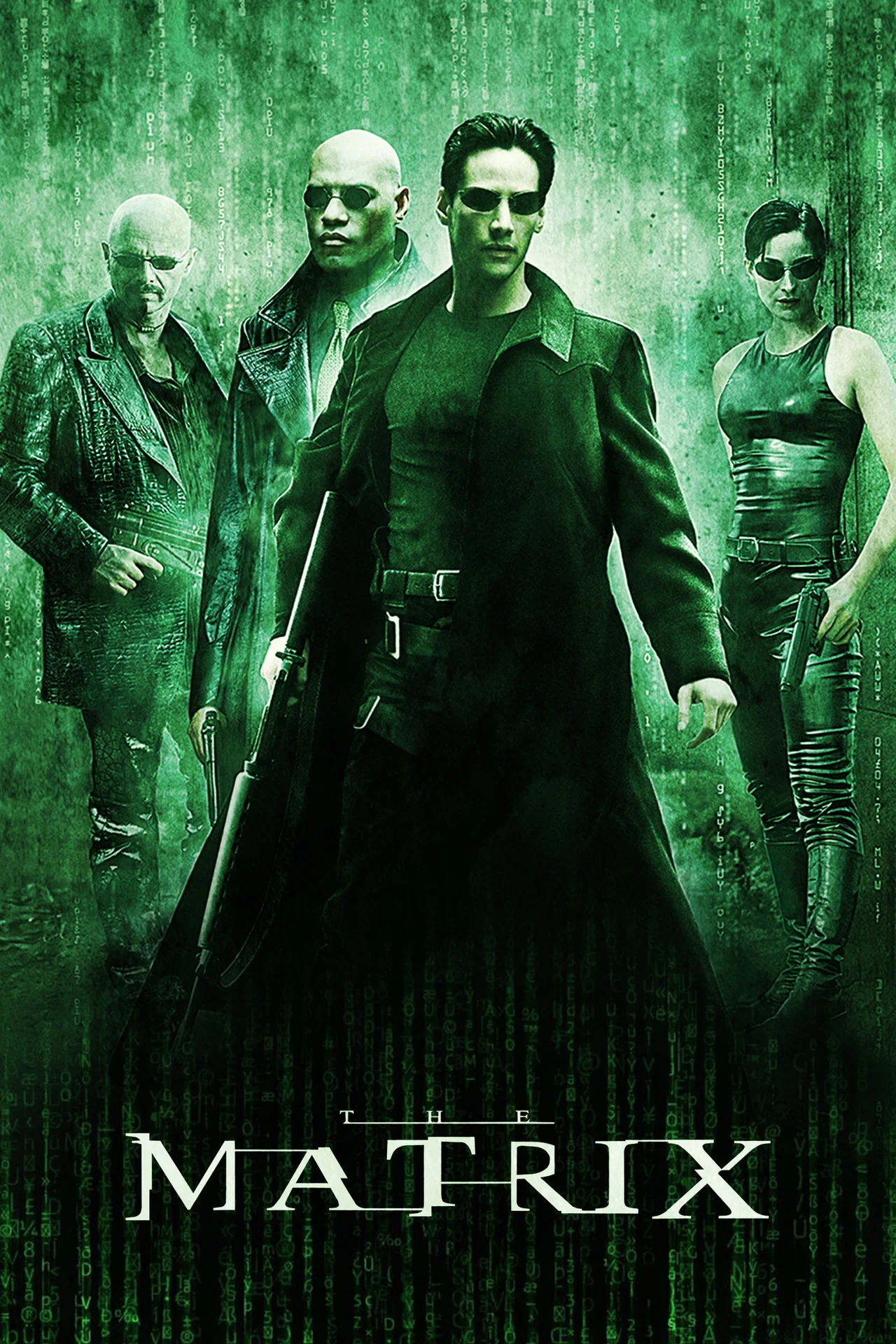


I knew en otros idiomas
- Arabicالعربية
كنت أعرف
كنت أفهم أو على علم بشيء ما من قبل.
- Bengaliবাংলা
আমি জানতাম
আমি আগে কিছু বুঝতাম বা জানতাম।
- GermanDeutsch
Ich wusste
Ich habe etwas vorher verstanden oder wusste davon.
- Persianفارسی
میدونستم
قبلاً چیزی را فهمیده بودم یا از آن خبر داشتم.
- FrenchFrançais
Je savais
J'avais compris ou j'étais au courant de quelque chose avant.
- Hindiहिन्दी
मुझे पता था
मुझे पहले से कुछ पता था या मैं उससे अवगत था।
- ItalianItaliano
Sapevo
Capivo o ero già a conoscenza di qualcosa.
- PortuguesePortuguês
Eu sabia
Eu entendi ou estava ciente de algo antes.
- RussianРусский
Я знал(а)
Я что-то понимал(а) или знал(а) раньше.
- Urduاردو
مجھے پتہ تھا
مجھے پہلے سے کچھ سمجھ آ گیا تھا یا میں واقف تھا۔
- Chinese中文
我知道
我以前就明白或知道某事。
More chunks like I knew
- I realized
I became aware of or understood something.
- Come on
A phrase used to urge or motivate someone.
- Exquisite taste
A refined and distinguished understanding of quality and flavor.
- Do you want it
A question asking if someone desires something.
- MillionA1
1 000 000
- Good point
A valid or insightful remark in a discussion.
La gente también busca
- I knew significado
- significado de I knew
- qué significa I knew
- I knew en español
- I knew traducción
- definición de I knew
- cómo usar I knew
Preguntas frecuentes sobre I knew
¿Qué significa I knew?
Entendí o era consciente de algo antes.
¿Qué significa I knew en español?
Entendí o era consciente de algo antes.
¿Cuál es la definición de I knew?
Una frase que indica conocimiento o conciencia pasada.
¿Cómo se usa I knew en una frase?
I knew you would come to the party.
¿Puedes dar otro ejemplo de I knew?
At that moment, I knew I had made a mistake.
¿Cuáles son los sinónimos de I knew?
Algunas alternativas comunes son I realized, I understood, I recognized, I was aware, I comprehended.
¿Cuál es el opuesto de I knew?
Significados opuestos incluyen I didn't know, I didn't realize, I was unaware.
¿Qué palabras acompañan a I knew?
Suele combinarse con I knew it, I knew you, I knew better, I knew the truth, I knew him.
¿Cuáles son los errores comunes al usar I knew?
Confusing with 'I know' for present tense. Incorrect verb conjugation, e.g., 'I knw'. Using it in situations where 'I didn't know' is appropriate.
¿Cómo se pronuncia I knew?
US: //aɪ nu//, UK: //aɪ njuː//. Escucha el audio de arriba para oír la pronunciación nativa.
¿Cuándo debo usar I knew?
Usa esta frase cuando te refieras a un entendimiento o conciencia pasada. Es neutral y muy aplicable, pero puede sonar menos formal en contextos escritos.