 Cool Mate
Bedeutung auf Deutsch
Er lebt noch
Bedeutung von He's still not dead
A phrase indicating someone has not passed away.
Ein Ausdruck, der besagt, dass jemand nicht gestorben ist.
In simple words: He is still alive.
Er ist noch am Leben.
He's still not dead in einem Satz
- After the accident, everyone thought he was gone, but he's still not dead.Nach dem Unfall dachten alle, er sei tot, aber er lebt noch.
- The rumors spread quickly, but I can confirm he's still not dead.Die Gerüchte verbreiteten sich schnell, aber ich kann bestätigen, er lebt noch.
- I heard the old legend, and surprisingly, he's still not dead!Ich habe die alte Legende gehört, und überraschenderweise lebt er noch!
- Even after all this time, he's still not dead and continues to inspire us.Auch nach all dieser Zeit lebt er noch und inspiriert uns weiterhin.
Wie man He's still not dead verwendet
Used to express surprise or disbelief that someone is alive after expecting them to be dead. It's often conversational, suitable for everyday contexts.
Wird verwendet, um Überraschung oder Unglauben auszudrücken, dass jemand noch lebt, obwohl man erwartet hatte, dass er tot sei. Es ist oft umgangssprachlich und für alltägliche Kontexte geeignet.
Grammar pattern
affirmative statement
Memory hint
Think of a cat with nine lives – he's still hanging on!

Verwandte Wörter
Collocations with He's still not dead
- still alive
- not dead yet
- still kicking
Synonyms for He's still not dead
- alive
- surviving
- kicking
Common mistakes with He's still not dead
- Improper use of 'not dead' in positive contexts.
- Confused with expressions of loss or mourning.
- Overly formal use in casual conversations.
He's still not dead appears in
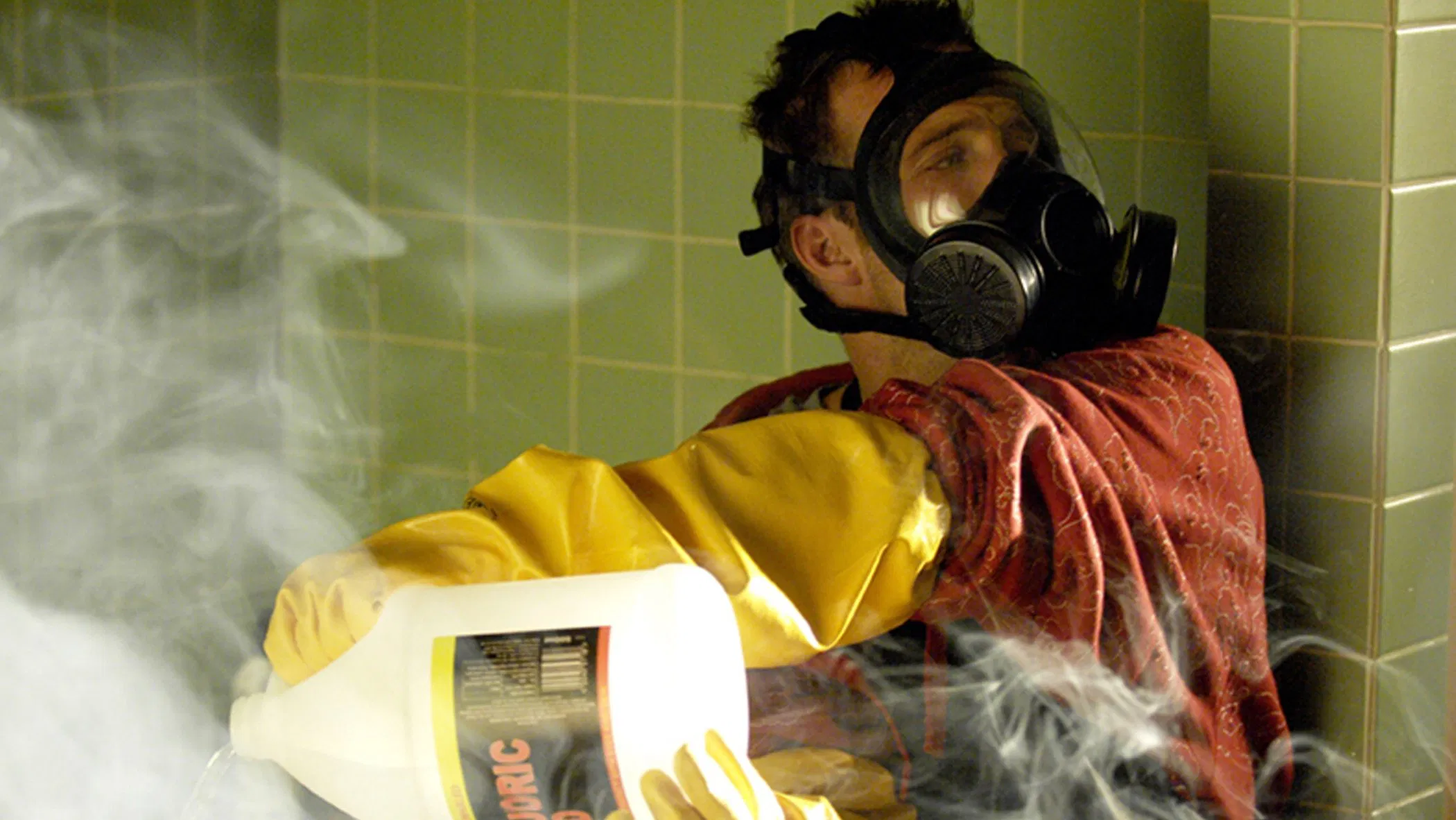
He's still not dead in anderen Sprachen
- Arabicالعربية
لم يمت بعد
إنه لا يزال على قيد الحياة.
- Bengaliবাংলা
সে এখনো মরেনি
সে এখনো বেঁচে আছে।
- SpanishEspañol
Todavía no está muerto
Sigue vivo.
- Persianفارسی
او هنوز نمرده
او هنوز زنده است.
- FrenchFrançais
Il n'est pas encore mort
Il est toujours en vie.
- Hindiहिन्दी
वह अभी मरा नहीं है
वह अभी भी जीवित है।
- ItalianItaliano
È ancora vivo
È ancora vivo.
- PortuguesePortuguês
Ele ainda não morreu
Ele ainda está vivo.
- RussianРусский
Он всё ещё жив
Он всё ещё жив.
- Urduاردو
وہ ابھی مرا نہیں
وہ ابھی زندہ ہے۔
- Chinese中文
他还活着
他还活着。
More chunks like He's still not dead
- Alive
- Are you okay
A polite inquiry about someone's well-being.
- Uh, yeah
An informal phrase expressing agreement or acknowledgment.
- You are a lifesaver
A phrase used to express gratitude to someone who has helped or solved a problem.
- Thank you
An expression used to show gratitude.
- We can't thank you enough
An expression of deep gratitude.
Nutzer suchen auch nach
- He's still not dead bedeutung
- was bedeutet He's still not dead
- He's still not dead übersetzung
- He's still not dead auf deutsch
- He's still not dead deutsch
- He's still not dead definition
- He's still not dead erklärung
Häufige Fragen zu He's still not dead
Was bedeutet He's still not dead?
Er ist noch am Leben.
Was bedeutet He's still not dead auf Deutsch?
Er ist noch am Leben.
Was ist die Definition von He's still not dead?
Ein Ausdruck, der besagt, dass jemand nicht gestorben ist.
Wie verwendet man He's still not dead in einem Satz?
After the accident, everyone thought he was gone, but he's still not dead.
Kannst du ein weiteres Beispiel für He's still not dead geben?
The rumors spread quickly, but I can confirm he's still not dead.
Was sind Synonyme für He's still not dead?
Gängige Alternativen sind alive, surviving, kicking.
Welche Wörter passen zu He's still not dead?
Es wird oft mit still alive, not dead yet, still kicking kombiniert.
Was sind häufige Fehler bei He's still not dead?
Improper use of 'not dead' in positive contexts. Confused with expressions of loss or mourning. Overly formal use in casual conversations.
Wie spricht man He's still not dead aus?
US: //hiz stɪl nɑt dɛd//, UK: //hiːz stɪl nɒt dɛd//. Hör dir das Audio oben an, um die Aussprache von Muttersprachlern zu hören.
Wann sollte ich He's still not dead verwenden?
Wird verwendet, um Überraschung oder Unglauben auszudrücken, dass jemand noch lebt, obwohl man erwartet hatte, dass er tot sei. Es ist oft umgangssprachlich und für alltägliche Kontexte geeignet.