 Cool Mate
المعنى بالعربية
بداية
معنى Beginning
الوقت الذي يبدأ فيه شيء ما؛ الجزء الأول من حدث، قصة، إلخ.
In simple words: the start of something
بداية شيء ما
Beginning في جملة
- The beginning of the story is very interesting.بداية القصة مثيرة جدًا للاهتمام.
- In the beginning, there was a lot of confusion.في البداية، كان هناك الكثير من الارتباك.
- Every beginning has its challenges.كل بداية لها تحدياتها.
- She is at the beginning of her career as an artist.هي في بداية مسيرتها كفنانة.
- At the beginning of spring, the flowers start to bloom.في بداية الربيع، تبدأ الزهور في التفتح.
كيفية استخدام Beginning
Use 'beginning' to refer to the start of an event, process, or time period. It is appropriate in both writing and speaking, but can be too vague without context. Avoid using it in very formal contexts where more specific words are preferred.
استخدم 'بداية' للإشارة إلى بدء حدث أو عملية أو فترة زمنية. مناسب في الكتابة والمحادثة، لكنه قد يكون غامضًا بدون سياق. تجنب استخدامه في السياقات الرسمية جدًا حيث يُفضل استخدام كلمات أكثر تحديدًا.
Grammar pattern
standalone noun
Memory hint
Think of 'begin' as the first step in a race, with 'ning' as a little finish line.

كلمات ذات صلة
Collocations with Beginning
- new
- auspicious
- hopeful
- herald
- mark
- represent
- at the beginning (of something)
- from the beginning
- in the beginning
- the beginning of the end
- early beginnings
- first beginnings
- new
- auspicious
- hopeful
- herald
- mark
- represent
- at the beginning (of something)
- from the beginning
- in the beginning
- the beginning of the end
- early beginnings
- first beginnings
Common mistakes with Beginning
- Used as a verb instead of a noun (e.g. saying 'he is beginning to learn' instead of 'he is in the beginning stages of learning')
- Confusing with 'began' (past tense) and 'begin' (present)
- Omitting the article when necessary (e.g. saying 'beginning of the movie' instead of 'the beginning of the movie')
Beginning appears in


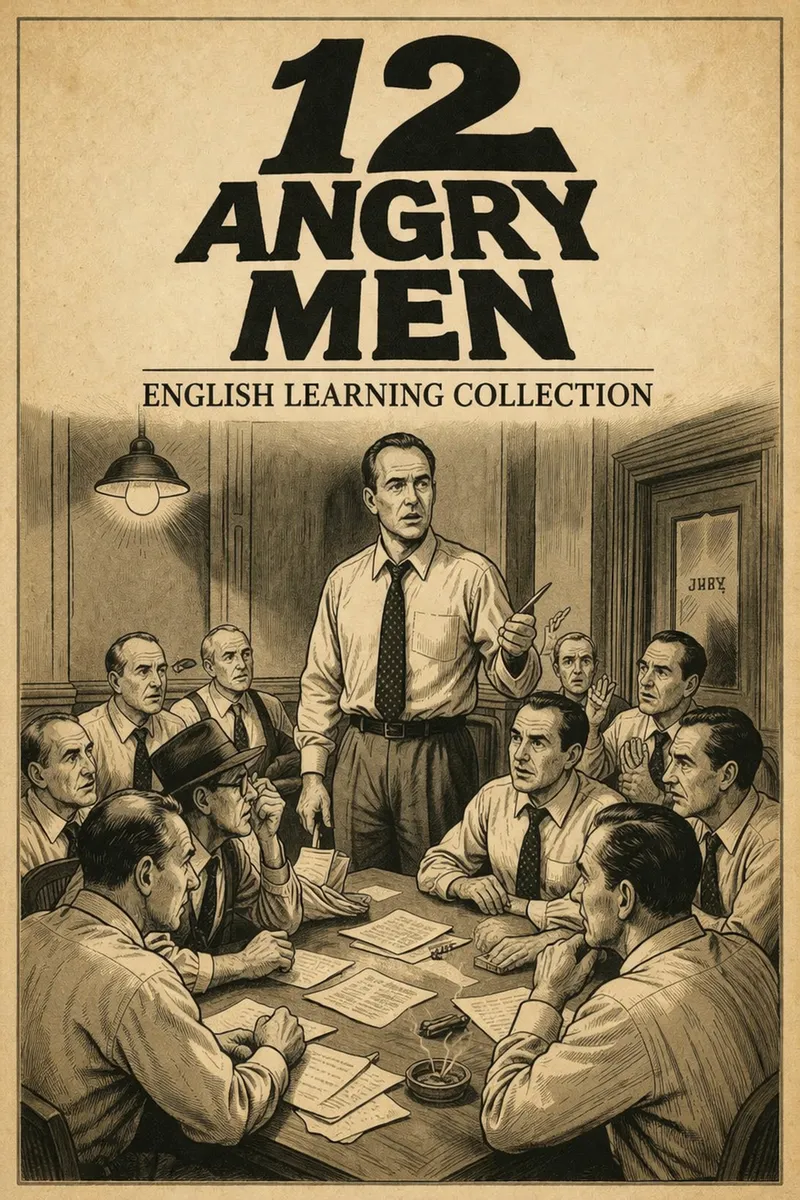
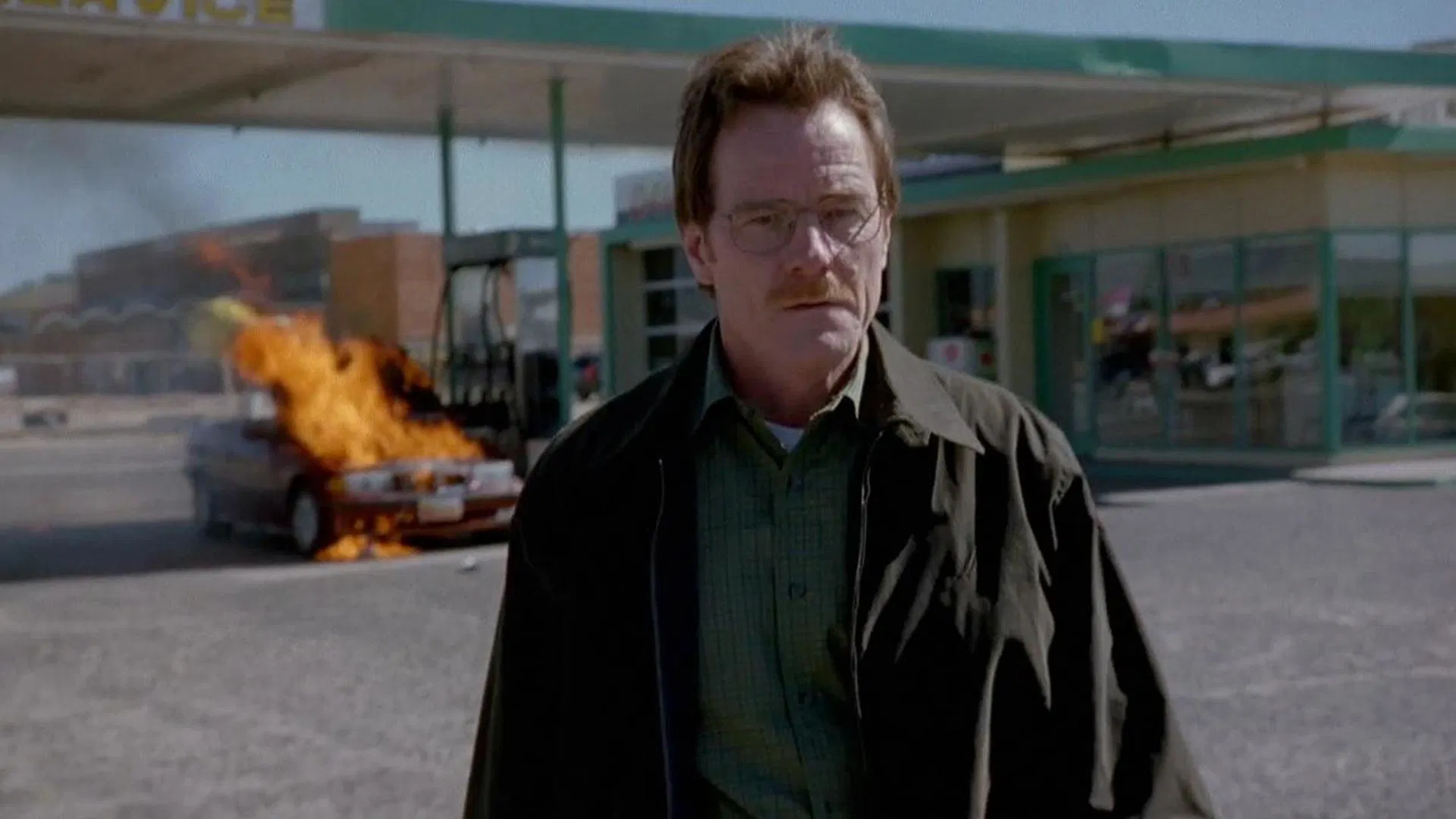
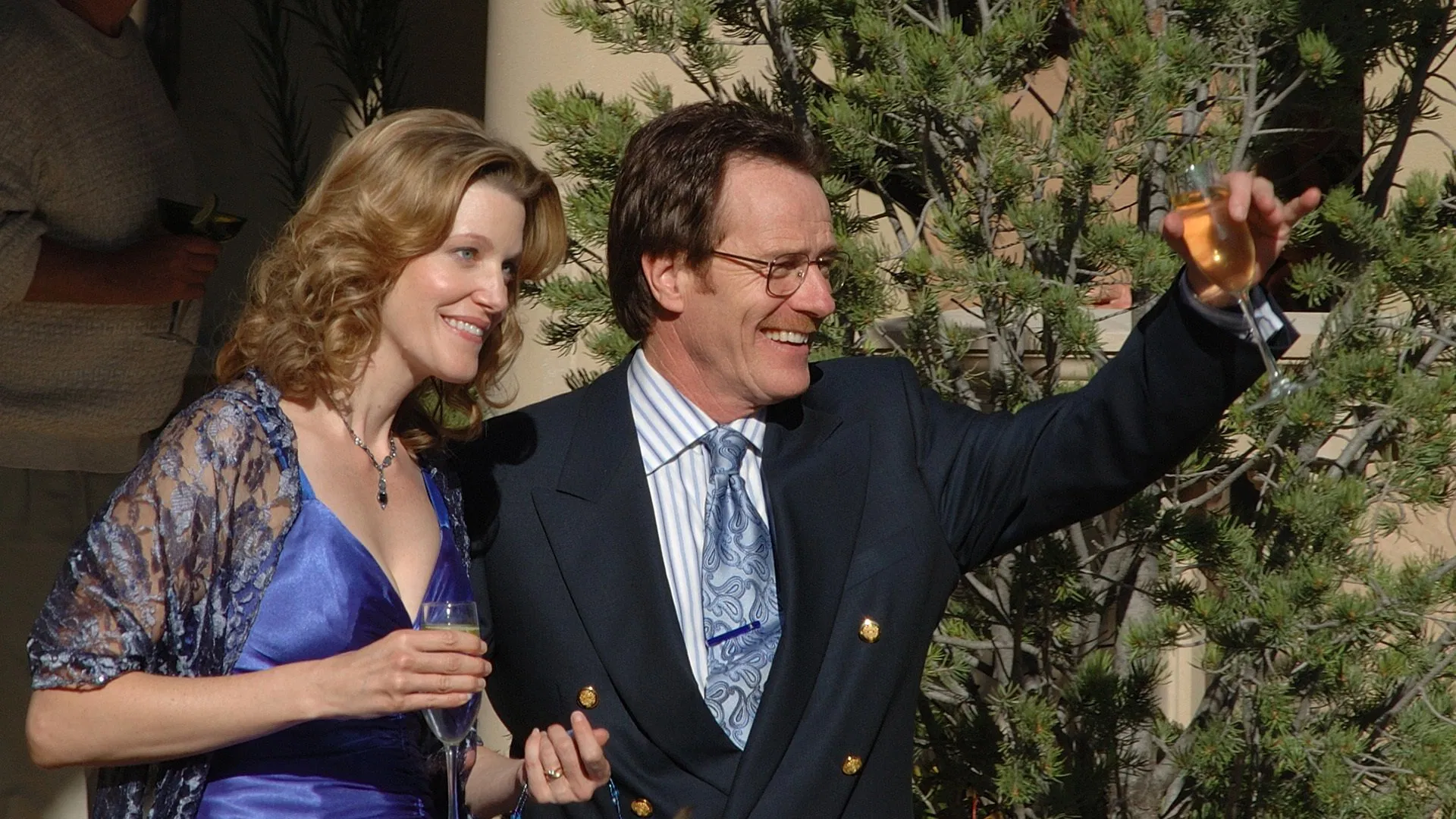












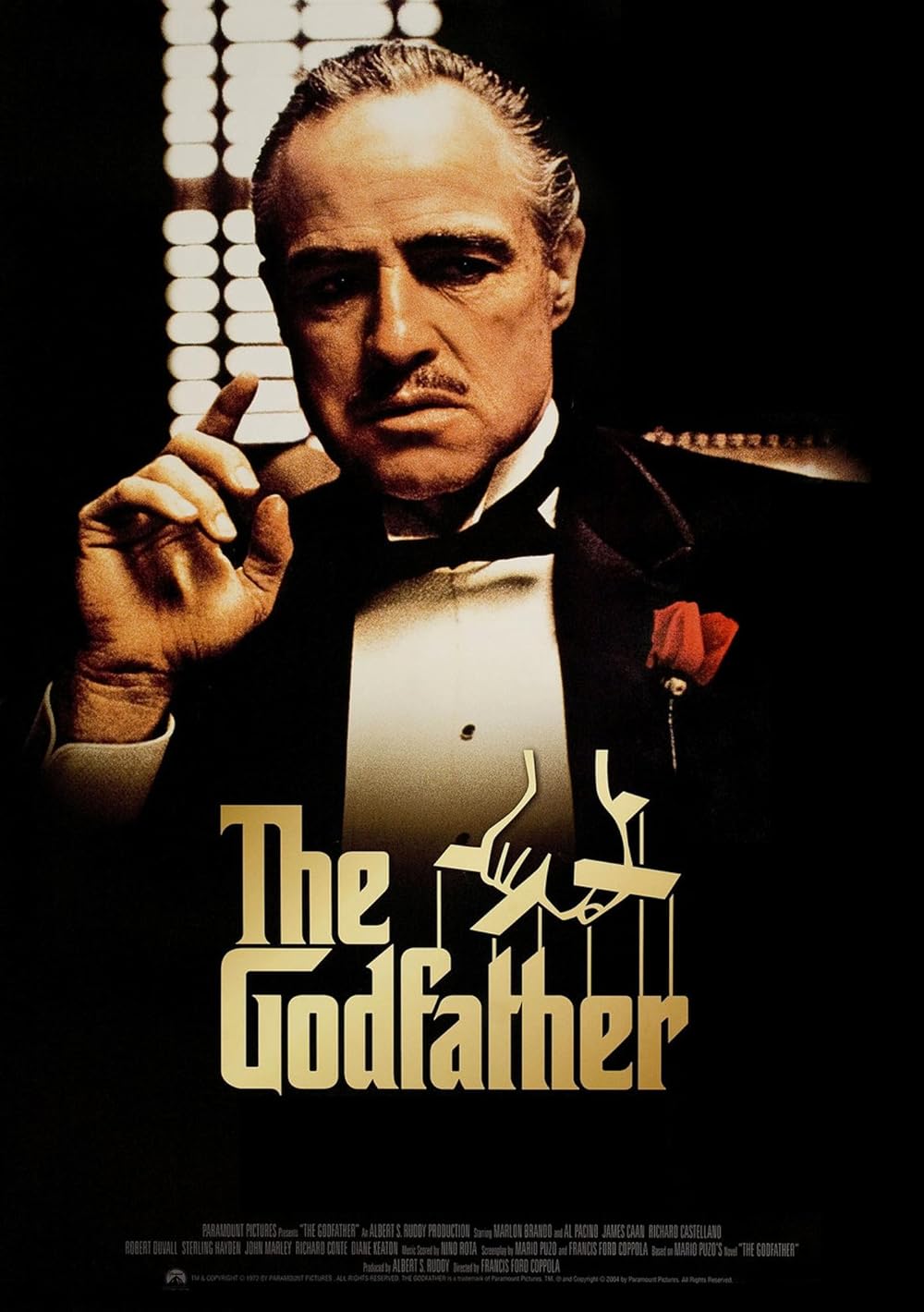



Beginning بلغات أخرى
- Bengaliবাংলা
শুরু
কোনো কিছুর শুরু
- GermanDeutsch
Anfang
der Start von etwas
- SpanishEspañol
Comienzo
el inicio de algo
- Persianفارسی
شروع، آغاز
شروع یه چیزی
- FrenchFrançais
Début
le début de quelque chose
- Hindiहिन्दी
शुरुआत
किसी चीज़ की शुरुआत
- ItalianItaliano
Inizio
l'inizio di qualcosa
- PortuguesePortuguês
Início
o começo de algo
- RussianРусский
Начало
начало чего-либо
- Urduاردو
آغاز، ابتدا
کسی چیز کا آغاز۔
- Chinese中文
开始
某事的开始
More words like Beginning
يبحث الناس أيضاً عن
- Beginning معنى
- معنى Beginning
- معنى كلمة Beginning
- Beginning بالعربي
- ترجمة Beginning
- Beginning ايش يعني
- Beginning تعريف
أسئلة شائعة حول Beginning
ماذا تعني Beginning؟
بداية شيء ما
ما معنى Beginning بالعربية؟
بداية شيء ما
ما تعريف Beginning؟
الوقت الذي يبدأ فيه شيء ما؛ الجزء الأول من حدث، قصة، إلخ.
كيف تستخدم Beginning في جملة؟
The beginning of the story is very interesting.
هل يمكنك إعطاء مثال آخر على Beginning؟
In the beginning, there was a lot of confusion.
ما مرادفات Beginning؟
تشمل البدائل الشائعة start, commencement, inception, initiation, launch.
ما عكس Beginning؟
تشمل المعاني المعاكسة end, finish, close.
ما الكلمات التي تأتي مع Beginning؟
غالباً ما تقترن بـ new, auspicious, hopeful, herald, mark, represent, at the beginning (of something), from the beginning, in the beginning, the beginning of the end, early beginnings, first beginnings, new, auspicious, hopeful, herald, mark, represent, at the beginning (of something), from the beginning, in the beginning, the beginning of the end, early beginnings, first beginnings.
ما الأخطاء الشائعة عند استخدام Beginning؟
Used as a verb instead of a noun (e.g. saying 'he is beginning to learn' instead of 'he is in the beginning stages of learning') Confusing with 'began' (past tense) and 'begin' (present) Omitting the article when necessary (e.g. saying 'beginning of the movie' instead of 'the beginning of the movie')
كيف تنطق Beginning؟
US: /["/bɪˈɡɪnɪŋ/"]/, UK: /["/bɪˈɡɪnɪŋ/"]/. استمع إلى الصوت أعلاه لسماع النطق الأصلي.
متى ينبغي أن أستخدم Beginning؟
استخدم 'بداية' للإشارة إلى بدء حدث أو عملية أو فترة زمنية. مناسب في الكتابة والمحادثة، لكنه قد يكون غامضًا بدون سياق. تجنب استخدامه في السياقات الرسمية جدًا حيث يُفضل استخدام كلمات أكثر تحديدًا.
ما مستوى CEFR لـ Beginning؟
"Beginning" في المستوى A1 على مقياس CEFR.