 Cool Mate
Meaning in Urdu · اردو میں مطلب
آغاز، ابتدا
Beginning کا مطلب
وہ وقت جب کوئی چیز شروع ہوتی ہے؛ کسی واقعے، کہانی وغیرہ کا پہلا حصہ۔
In simple words: the start of something
کسی چیز کا آغاز۔
جملے میں Beginning
- The beginning of the story is very interesting.کہانی کا آغاز بہت دلچسپ ہے۔
- In the beginning, there was a lot of confusion.ابتداء میں بہت زیادہ الجھن تھی۔
- Every beginning has its challenges.ہر آغاز کے اپنے چیلنجز ہوتے ہیں۔
- She is at the beginning of her career as an artist.وہ فنکار کے طور پر اپنے کیریئر کے آغاز میں ہے۔
- At the beginning of spring, the flowers start to bloom.بہار کے آغاز میں پھول کھلنے لگتے ہیں۔
Beginning کیسے استعمال کریں
Use 'beginning' to refer to the start of an event, process, or time period. It is appropriate in both writing and speaking, but can be too vague without context. Avoid using it in very formal contexts where more specific words are preferred.
کسی واقعے، عمل، یا وقت کی مدت کے آغاز کا حوالہ دینے کے لیے 'beginning' استعمال کریں۔ یہ تحریر اور تقریر دونوں میں مناسب ہے، لیکن سیاق و سباق کے بغیر بہت مبہم ہو سکتا ہے۔ بہت رسمی سیاق و سباق میں اس کے استعمال سے گریز کریں جہاں زیادہ مخصوص الفاظ کو ترجیح دی جاتی ہے۔
Grammar pattern
standalone noun
Memory hint
Think of 'begin' as the first step in a race, with 'ning' as a little finish line.

متعلقہ الفاظ
Collocations with Beginning
- new
- auspicious
- hopeful
- herald
- mark
- represent
- at the beginning (of something)
- from the beginning
- in the beginning
- the beginning of the end
- early beginnings
- first beginnings
- new
- auspicious
- hopeful
- herald
- mark
- represent
- at the beginning (of something)
- from the beginning
- in the beginning
- the beginning of the end
- early beginnings
- first beginnings
Common mistakes with Beginning
- Used as a verb instead of a noun (e.g. saying 'he is beginning to learn' instead of 'he is in the beginning stages of learning')
- Confusing with 'began' (past tense) and 'begin' (present)
- Omitting the article when necessary (e.g. saying 'beginning of the movie' instead of 'the beginning of the movie')
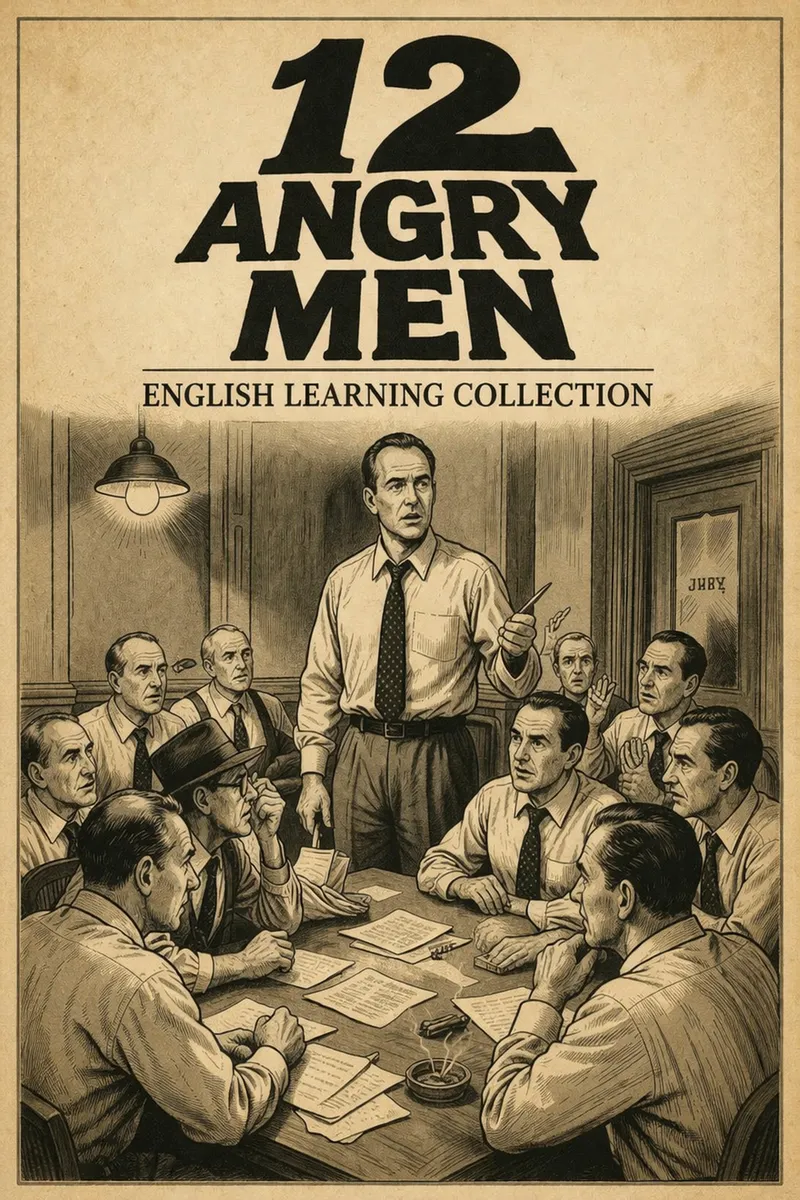
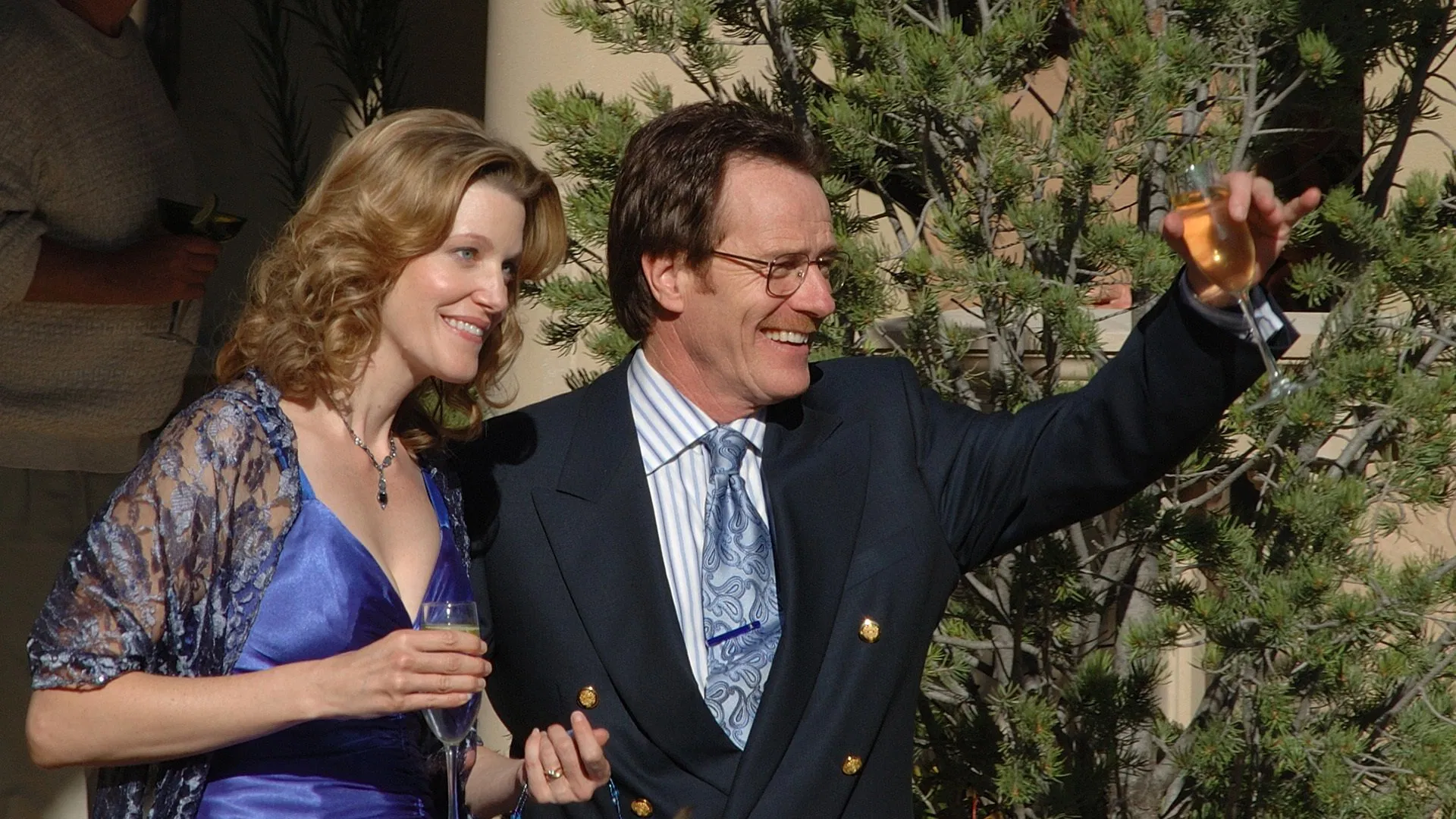
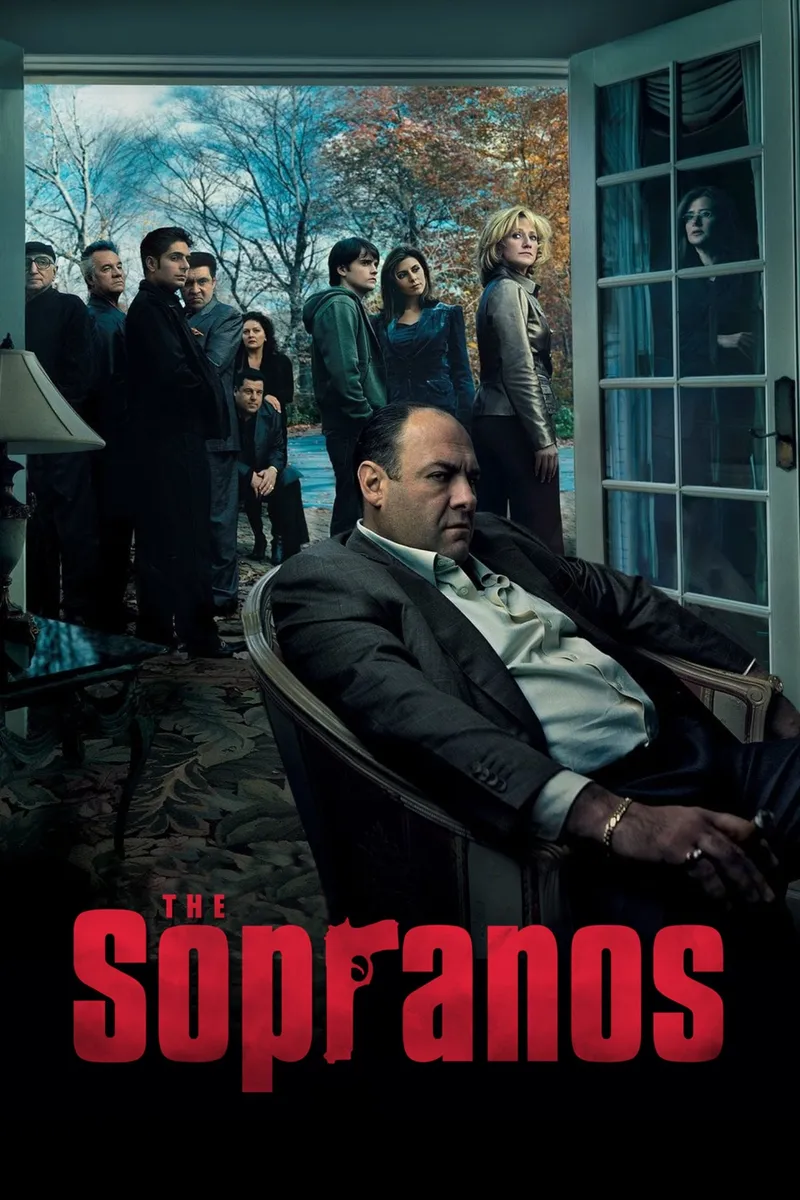
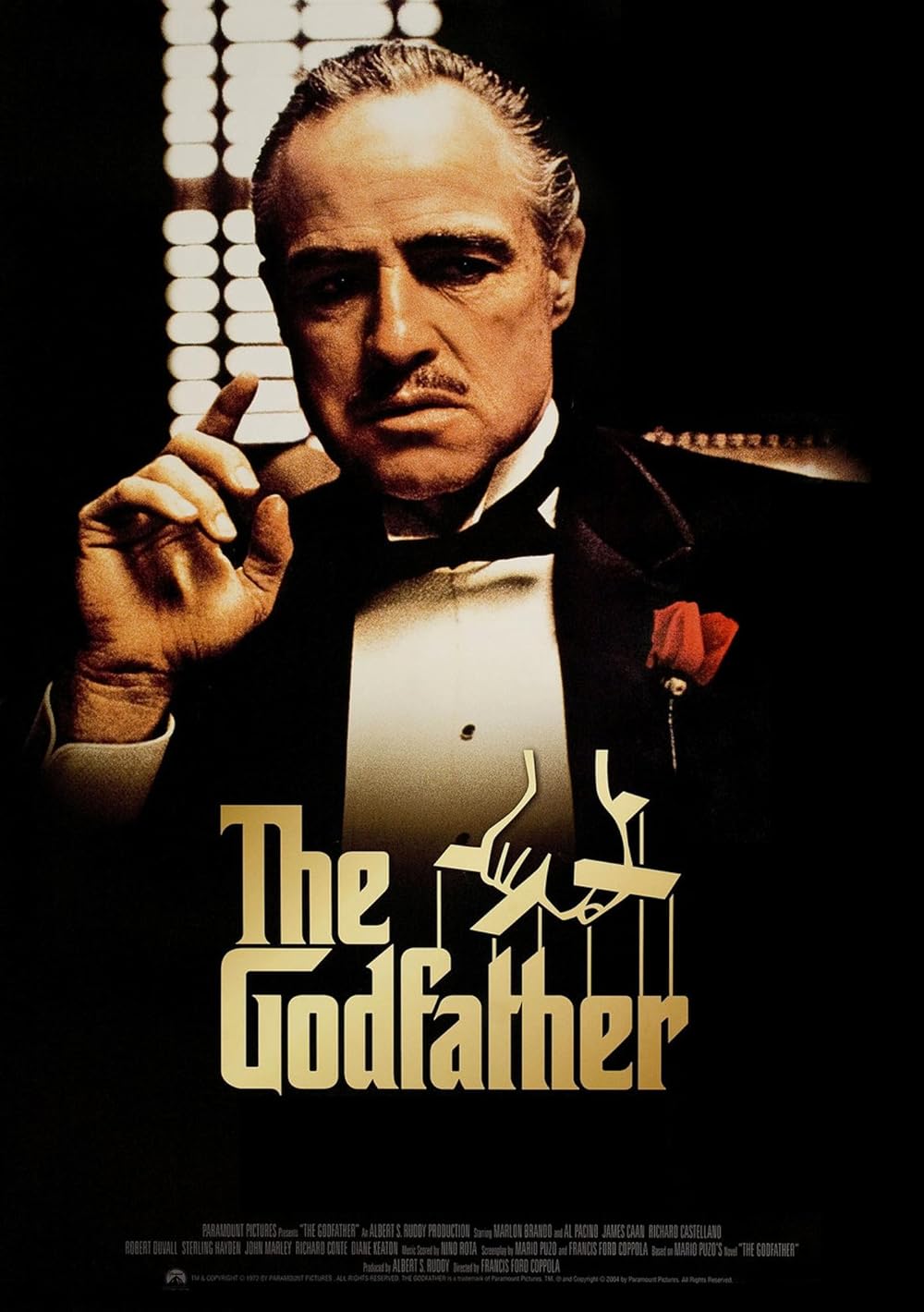
Beginning appears in


















Beginning دوسری زبانوں میں
- Arabicالعربية
بداية
بداية شيء ما
- Bengaliবাংলা
শুরু
কোনো কিছুর শুরু
- GermanDeutsch
Anfang
der Start von etwas
- SpanishEspañol
Comienzo
el inicio de algo
- Persianفارسی
شروع، آغاز
شروع یه چیزی
- FrenchFrançais
Début
le début de quelque chose
- Hindiहिन्दी
शुरुआत
किसी चीज़ की शुरुआत
- ItalianItaliano
Inizio
l'inizio di qualcosa
- PortuguesePortuguês
Início
o começo de algo
- RussianРусский
Начало
начало чего-либо
- Chinese中文
开始
某事的开始
More words like Beginning
لوگ یہ بھی تلاش کرتے ہیں
- Beginning معنی
- Beginning مطلب
- Beginning کا مطلب
- Beginning کے معنی
- Beginning meaning in urdu
- Beginning اردو میں
- Beginning ترجمہ
Beginning کے بارے میں عام سوالات
Beginning کا کیا مطلب ہے؟
کسی چیز کا آغاز۔
What does Beginning mean in Urdu?
کسی چیز کا آغاز۔
Beginning کی تعریف کیا ہے؟
وہ وقت جب کوئی چیز شروع ہوتی ہے؛ کسی واقعے، کہانی وغیرہ کا پہلا حصہ۔
Beginning کو جملے میں کیسے استعمال کریں؟
The beginning of the story is very interesting.
Beginning کی ایک اور مثال دے سکتے ہیں؟
In the beginning, there was a lot of confusion.
Beginning کے مترادفات کیا ہیں؟
عام متبادل میں start, commencement, inception, initiation, launch شامل ہیں۔
Beginning کا متضاد کیا ہے؟
متضاد معانی میں end, finish, close شامل ہیں۔
Beginning کے ساتھ کون سے الفاظ آتے ہیں؟
یہ عام طور پر new, auspicious, hopeful, herald, mark, represent, at the beginning (of something), from the beginning, in the beginning, the beginning of the end, early beginnings, first beginnings, new, auspicious, hopeful, herald, mark, represent, at the beginning (of something), from the beginning, in the beginning, the beginning of the end, early beginnings, first beginnings کے ساتھ آتا ہے۔
Beginning استعمال کرتے وقت عام غلطیاں کیا ہیں؟
Used as a verb instead of a noun (e.g. saying 'he is beginning to learn' instead of 'he is in the beginning stages of learning') Confusing with 'began' (past tense) and 'begin' (present) Omitting the article when necessary (e.g. saying 'beginning of the movie' instead of 'the beginning of the movie')
Beginning کا تلفظ کیسے کریں؟
US: /["/bɪˈɡɪnɪŋ/"]/, UK: /["/bɪˈɡɪnɪŋ/"]/۔ مقامی تلفظ سننے کے لیے اوپر دیا گیا آڈیو سنیں۔
Beginning کب استعمال کرنا چاہیے؟
کسی واقعے، عمل، یا وقت کی مدت کے آغاز کا حوالہ دینے کے لیے 'beginning' استعمال کریں۔ یہ تحریر اور تقریر دونوں میں مناسب ہے، لیکن سیاق و سباق کے بغیر بہت مبہم ہو سکتا ہے۔ بہت رسمی سیاق و سباق میں اس کے استعمال سے گریز کریں جہاں زیادہ مخصوص الفاظ کو ترجیح دی جاتی ہے۔
Beginning کا CEFR درجہ کیا ہے؟
"Beginning" CEFR پیمانے پر A1 درجے پر ہے۔