 Cool Mate
المعنى بالعربية
سيء
معنى Bad
غير مريح؛ مليء بالمشاكل
In simple words: not good or harmful
ليس جيدًا أو ضارًا
Bad في جملة
- That was a bad performance by the team.كانت تلك أداءً سيئًا من الفريق.
- I have a bad feeling about this situation.لدي شعور سيء حيال هذه الحالة.
- Eating too much junk food can be bad for your health.تناول الكثير من الوجبات السريعة يمكن أن يكون سيئًا لصحتك.
- It's bad manners to talk with your mouth full.من سوء الأدب التحدث وفمك ممتلئ.
- He made a bad decision that cost him a lot of money.اتخذ قرارًا سيئًا كلفه الكثير من المال.
كيفية استخدام Bad
Use 'bad' to describe something that is of poor quality or morally wrong. It's generally appropriate in everyday conversation but can be too informal in professional settings. In formal writing, consider alternatives such as 'unfavorable' or 'detrimental'.
استخدم 'سيء' لوصف شيء ذو جودة رديئة أو غير أخلاقي. إنه مناسب عمومًا في المحادثات اليومية لكنه قد يكون غير رسمي جدًا في الأوساط المهنية. في الكتابة الرسمية، اعتبر بدائل مثل 'غير ملائم' أو 'ضار'.
Grammar pattern
bad + noun
Memory hint
Think of a 'bad' guy in a movie — always causing trouble!

كلمات ذات صلة
Collocations with Bad
Synonyms for Bad
- naughty
- poor
Common mistakes with Bad
- Using 'bad' instead of 'badly' as an adverb: e.g., 'He performed bad' instead of 'He performed badly'.
- Confusing 'bad' with 'ill' when referring to health. 'Ill' is usually used in formal contexts.
- Saying 'more bad' instead of 'worse' for comparative form.
Bad appears in

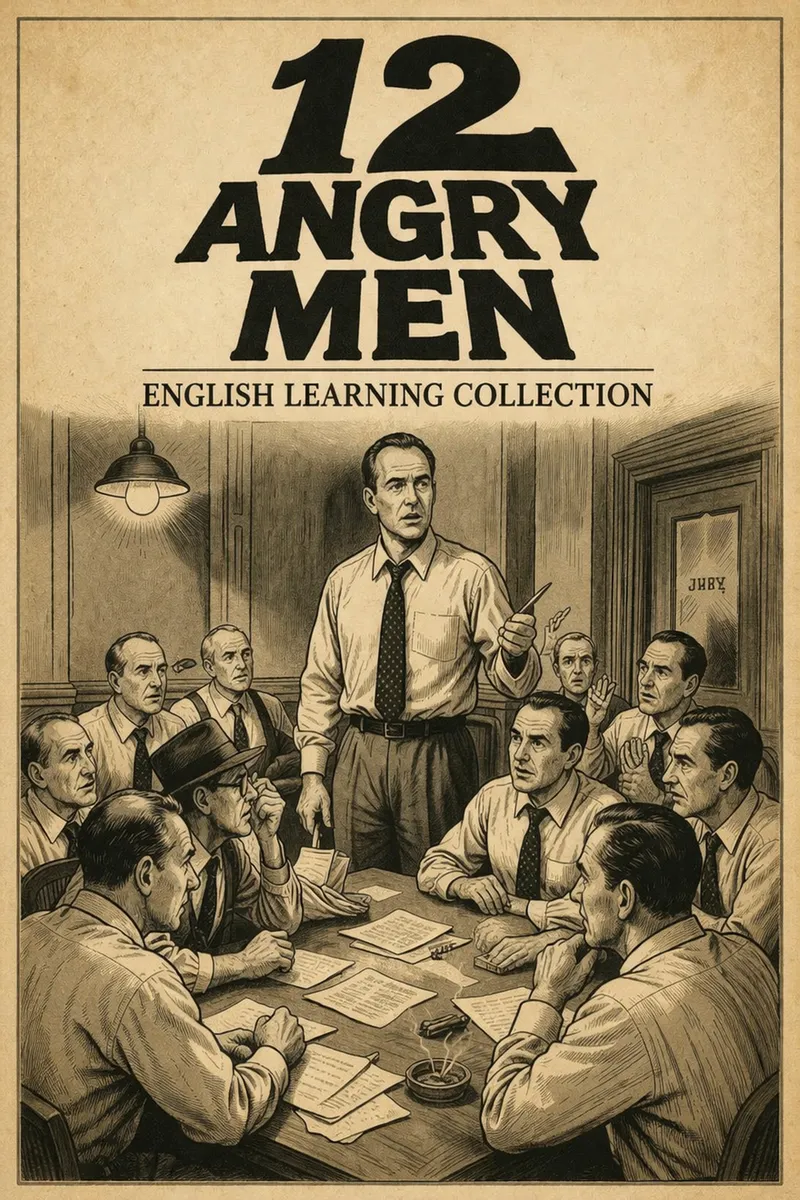


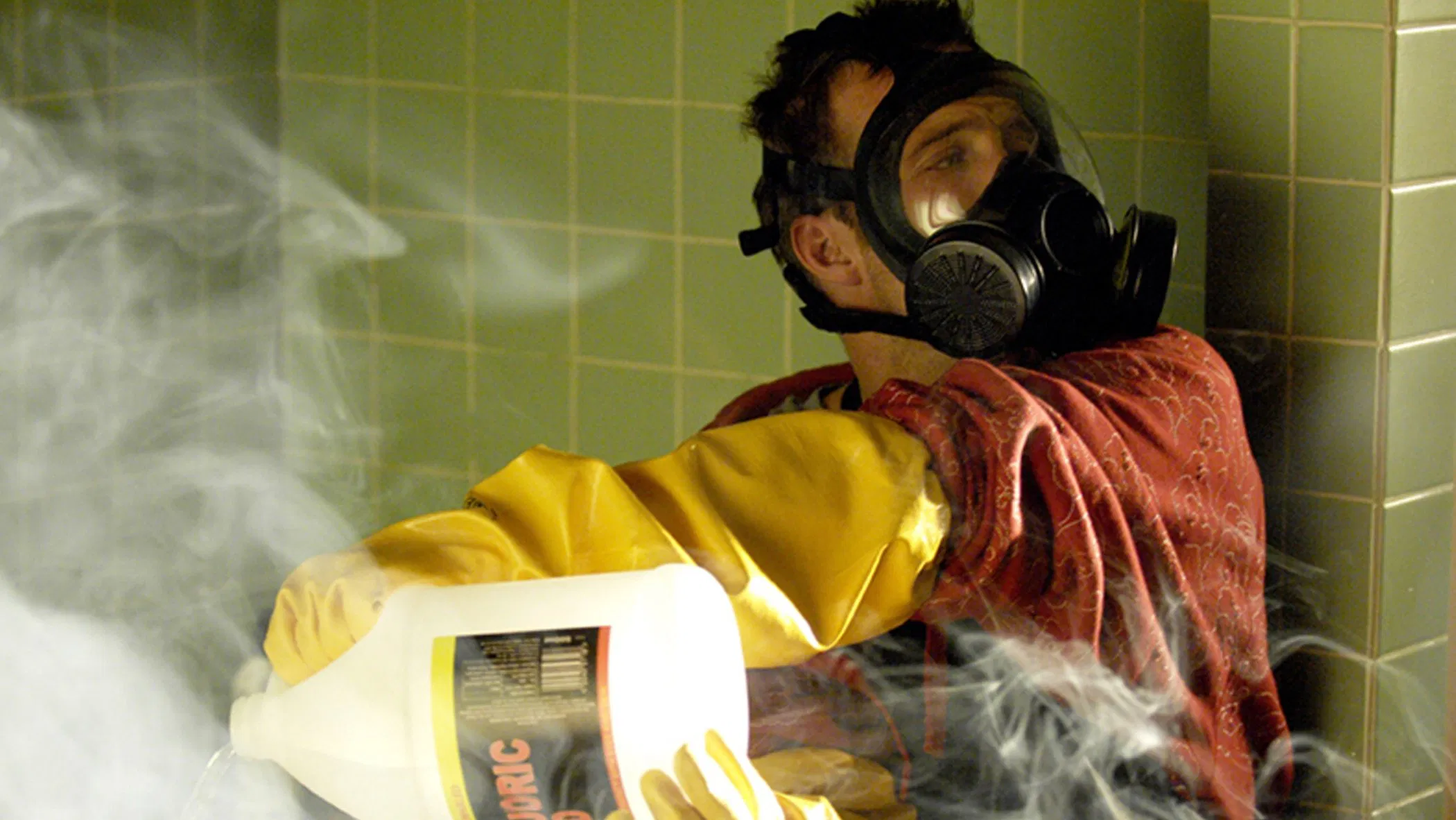
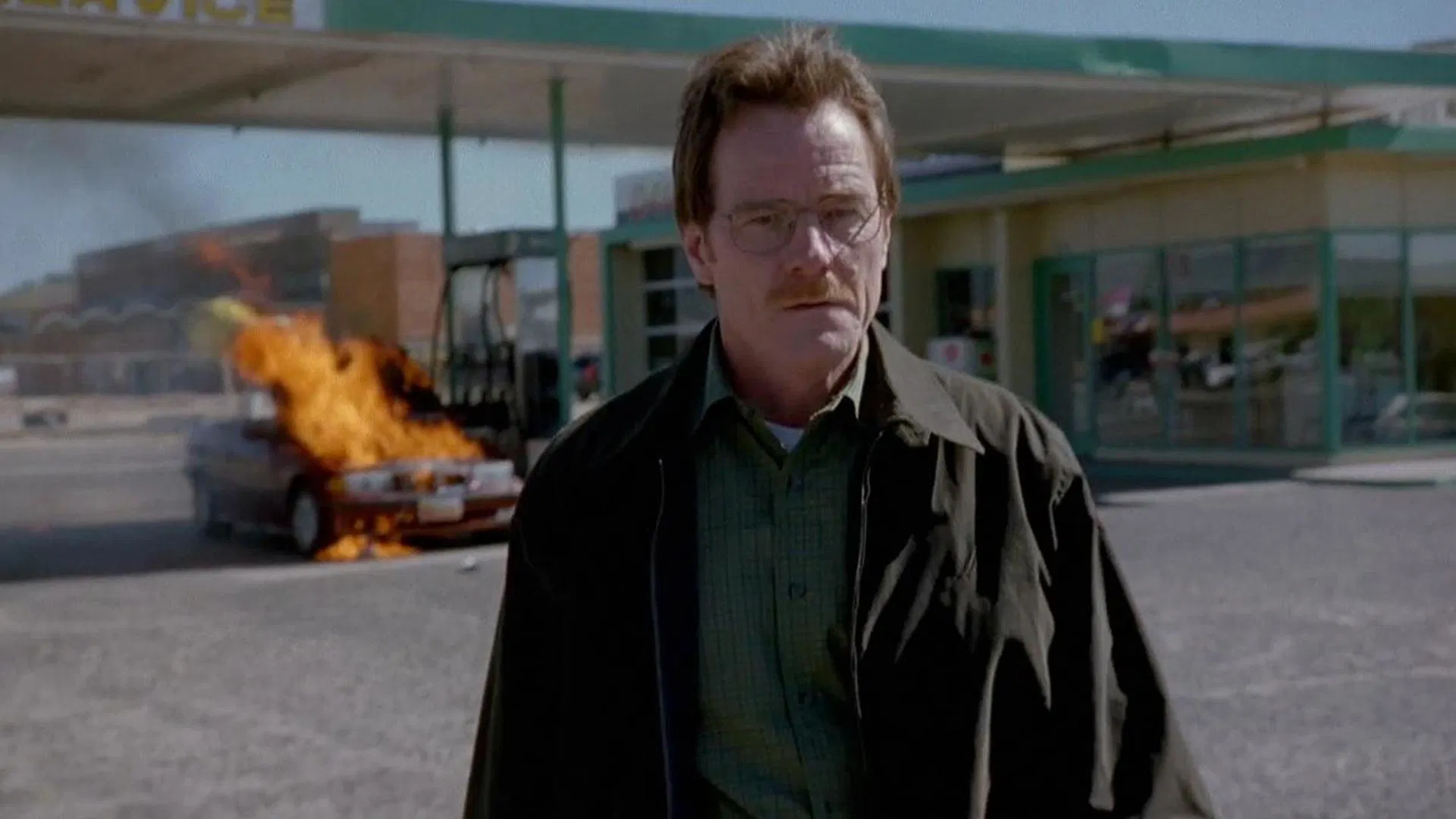


















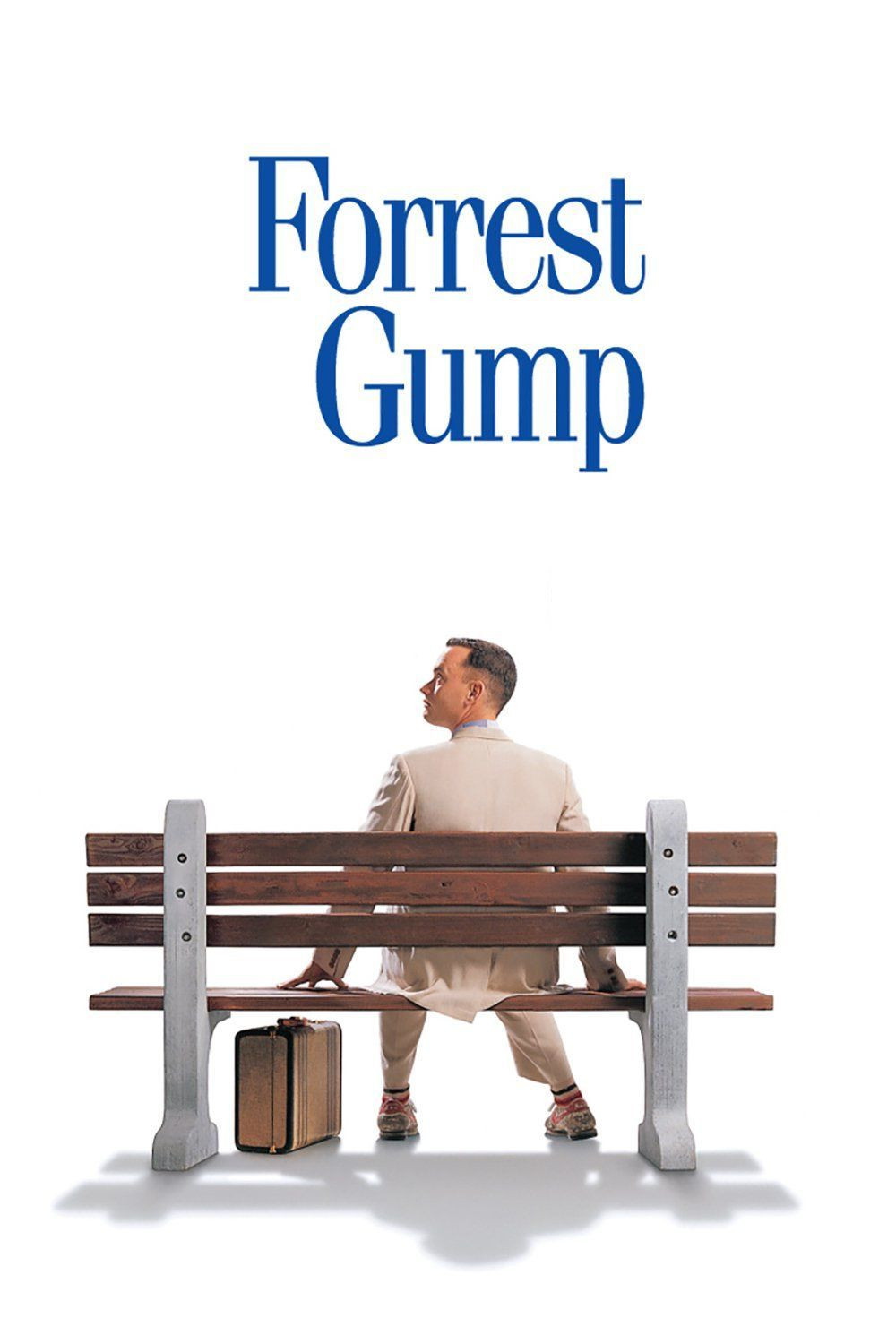



Bad بلغات أخرى
- Bengaliবাংলা
খারাপ
ভালো নয় বা ক্ষতিকর
- GermanDeutsch
Schlecht
nicht gut oder schädlich
- SpanishEspañol
Malo
no bueno o dañino
- Persianفارسی
بد
خوب نیست یا مضر است
- FrenchFrançais
Mauvais
pas bon ou nuisible
- Hindiहिन्दी
बुरा
अच्छा नहीं या हानिकारक
- ItalianItaliano
Cattivo, Brutto, Malvagio
non buono o dannoso
- PortuguesePortuguês
Mau
não bom ou prejudicial
- RussianРусский
Плохой
Нехороший или вредный
- Urduاردو
برا
اچھا نہ یا نقصان دہ
- Chinese中文
坏
不好或有害
More words like Bad
يبحث الناس أيضاً عن
- Bad معنى
- معنى Bad
- معنى كلمة Bad
- Bad بالعربي
- ترجمة Bad
- Bad ايش يعني
- Bad تعريف
أسئلة شائعة حول Bad
ماذا تعني Bad؟
ليس جيدًا أو ضارًا
ما معنى Bad بالعربية؟
ليس جيدًا أو ضارًا
ما تعريف Bad؟
غير مريح؛ مليء بالمشاكل
كيف تستخدم Bad في جملة؟
That was a bad performance by the team.
هل يمكنك إعطاء مثال آخر على Bad؟
I have a bad feeling about this situation.
ما مرادفات Bad؟
تشمل البدائل الشائعة naughty, poor.
ما عكس Bad؟
تشمل المعاني المعاكسة good, excellent, positive.
ما الكلمات التي تأتي مع Bad؟
غالباً ما تقترن بـ be, look, sound, extremely, fairly, very, at, for, not half bad, be, look, sound, extremely, fairly, very, at, for, not half bad, be, look, sound, extremely, fairly, very, at, for, not half bad, be, look, smell, feel, extremely, fairly, very, about, be, look, sound, extremely, fairly, very, at, for, not half bad.
ما الأخطاء الشائعة عند استخدام Bad؟
Using 'bad' instead of 'badly' as an adverb: e.g., 'He performed bad' instead of 'He performed badly'. Confusing 'bad' with 'ill' when referring to health. 'Ill' is usually used in formal contexts. Saying 'more bad' instead of 'worse' for comparative form.
كيف تنطق Bad؟
US: /["/bæd/","/wɜːrs/","/wɜːrst/"]/, UK: /["/bæd/","/wɜːs/","/wɜːst/"]/. استمع إلى الصوت أعلاه لسماع النطق الأصلي.
متى ينبغي أن أستخدم Bad؟
استخدم 'سيء' لوصف شيء ذو جودة رديئة أو غير أخلاقي. إنه مناسب عمومًا في المحادثات اليومية لكنه قد يكون غير رسمي جدًا في الأوساط المهنية. في الكتابة الرسمية، اعتبر بدائل مثل 'غير ملائم' أو 'ضار'.
ما مستوى CEFR لـ Bad؟
"Bad" في المستوى A1 على مقياس CEFR.