 Cool Mate
Meaning in Hindi · हिंदी में मतलब
Do not help that man का मतलब
A directive to refrain from offering assistance to a specific male individual.
In simple words: Don't assist that person.
वाक्य में Do not help that man
- When you see him approaching, remember to do not help that man.
- Her instructions were clear: do not help that man under any circumstances.
- If he asks for your support, do not help that man.
- The sign read, 'Do not help that man!', warning passersby.
- He warned his friends, saying, 'Please, do not help that man; he’s dangerous.'
Do not help that man का इस्तेमाल कैसे करें
This phrase is used to advise against providing assistance, often in contexts where help might be harmful or unwanted. It is generally appropriate in both written and spoken English, but may come off as a strong directive depending on tone.
Grammar pattern
standalone warning
Memory hint
Imagine an urgent plea: 'Do NOT help the man!' in a suspenseful movie scene.

मिलते-जुलते शब्द
Collocations with Do not help that man
- do not assist
- do not engage
- do not support
Synonyms for Do not help that man
- don't assist that man
- refrain from helping that man
- avoid aiding that man
Common mistakes with Do not help that man
- Confusing with 'help that man not'.
- Using 'do' incorrectly in different tenses.
- Misplacing the emphasis when repeating.
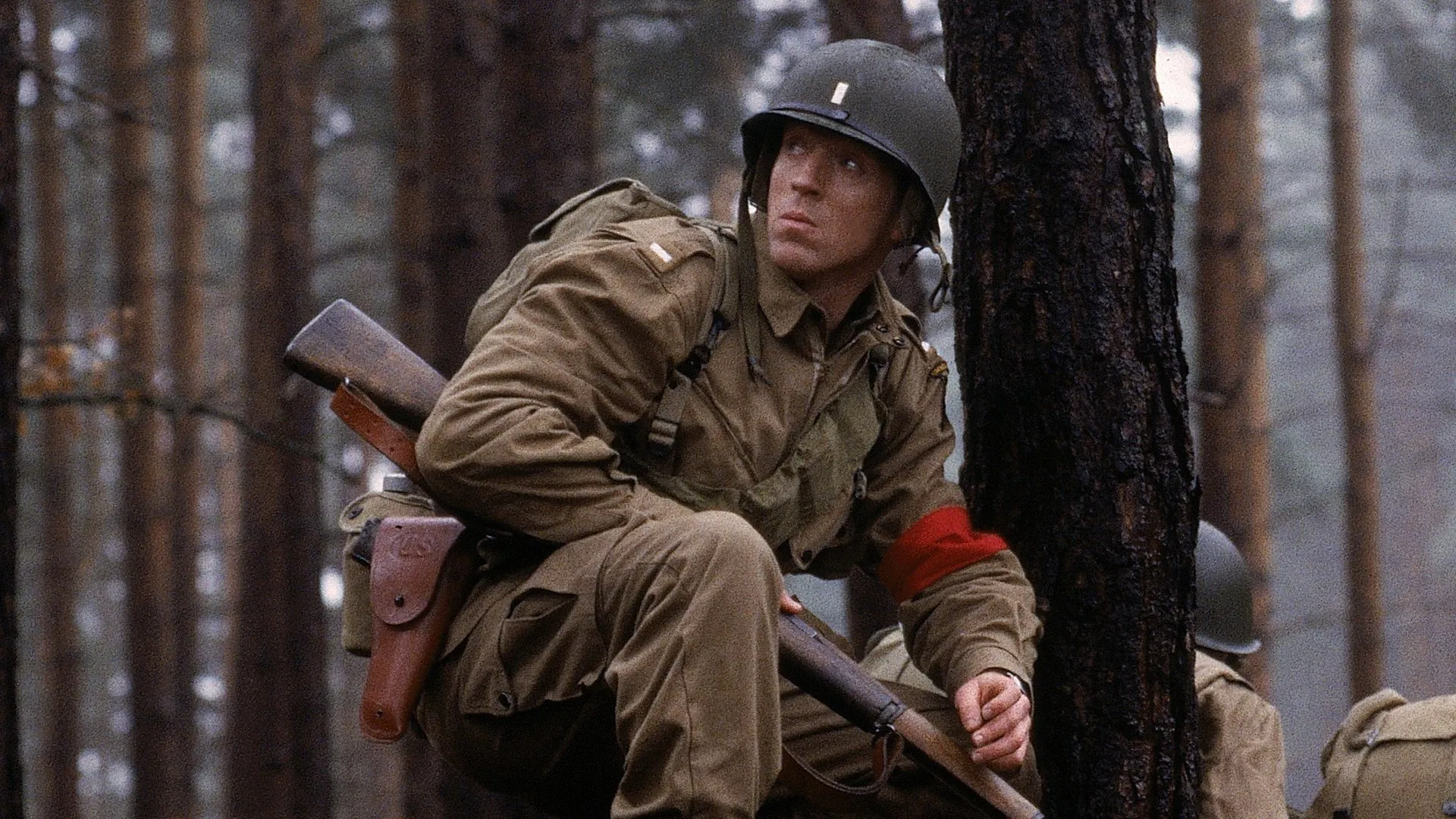
Do not help that man appears in


Do not help that man दूसरी भाषाओं में
- Arabicالعربية
لا تساعد ذلك الرجل
لا تساعد ذلك الشخص.
- GermanDeutsch
Hilf diesem Mann nicht
Hilf dieser Person nicht.
- SpanishEspañol
No ayudes a ese hombre
No ayudes a esa persona.
- Persianفارسی
به آن مرد کمک نکن
به اون یارو کمک نکن.
- FrenchFrançais
Ne pas aider cet homme
N'aide pas cette personne.
- ItalianItaliano
Non aiutare quell'uomo
Non aiutare quella persona.
- PortuguesePortuguês
Não ajude aquele homem
Não ajude essa pessoa.
- RussianРусский
Не помогай этому мужчине
Не помогай этому человеку.
- Chinese中文
不要帮那个人
别帮那个人。
More chunks like Do not help that man
- We were in a store
A retail establishment selling goods to consumers.
- BelieveA1
to feel certain that something is true or that somebody is telling you the truth
- We couldn't believe it
Expressing astonishment or skepticism about a situation.
- CountryA1
an area of land that has or used to have its own government and laws
- Our country was attacked
Our nation was harmed or invaded by an enemy force.
- It wasn't like Korea or Vietnam
A statement expressing that the situation was unlike those two countries.
लोग यह भी खोजते हैं
- Do not help that man meaning in hindi
- Do not help that man का मतलब
- Do not help that man का अर्थ
- Do not help that man हिंदी में
- Do not help that man मतलब
- Do not help that man मीनिंग
- Do not help that man translation in hindi
Do not help that man के बारे में अक्सर पूछे जाने वाले सवाल
Do not help that man का क्या मतलब है?
Don't assist that person.
What does Do not help that man mean in Hindi?
Don't assist that person.
Do not help that man की परिभाषा क्या है?
A directive to refrain from offering assistance to a specific male individual.
Do not help that man को वाक्य में कैसे इस्तेमाल करें?
When you see him approaching, remember to do not help that man.
Do not help that man का एक और उदाहरण दे सकते हैं?
Her instructions were clear: do not help that man under any circumstances.
Do not help that man के पर्यायवाची क्या हैं?
आम विकल्पों में don't assist that man, refrain from helping that man, avoid aiding that man शामिल हैं।
Do not help that man के साथ कौन से शब्द आते हैं?
यह आमतौर पर do not assist, do not engage, do not support के साथ आता है।
Do not help that man इस्तेमाल करते समय आम गलतियाँ क्या हैं?
Confusing with 'help that man not'. Using 'do' incorrectly in different tenses. Misplacing the emphasis when repeating.
Do not help that man का उच्चारण कैसे करें?
US: //duː nɑːt hɛlp ðæt mæn//, UK: //duː nɒt hɛlp ðæt mæn//. नेटिव उच्चारण सुनने के लिए ऊपर दिया ऑडियो सुनें।
Do not help that man का इस्तेमाल कब करना चाहिए?
This phrase is used to advise against providing assistance, often in contexts where help might be harmful or unwanted. It is generally appropriate in both written and spoken English, but may come off as a strong directive depending on tone.