 Cool Mate
Significado en español
Despertar
Significado de Waking
The process of becoming fully awake from sleep.
El proceso de despertarse completamente del sueño.
In simple words: The act of becoming awake.
El acto de despertarse.
Waking en una frase
- Waking up early helps me to be more productive during the day.Despertarse temprano me ayuda a ser más productivo durante el día.
- He felt groggy while waking from a deep sleep.Se sentía aturdido al despertar de un sueño profundo.
- Waking to the sound of birds is a pleasant experience.Despertar con el sonido de los pájaros es una experiencia agradable.
- She has a routine for waking that includes meditation.Tiene una rutina para despertarse que incluye meditación.
- Waking suddenly can be disorienting.Despertarse de repente puede ser desorientador.
- He enjoys waking with a cup of coffee.Disfruta despertarse con una taza de café.
Cómo usar Waking
Use 'waking' to describe the process of coming out of sleep. Appropriate in most contexts, including casual and formal conversations, but may sound overly technical in very casual discussions.
Usa 'despertar' para describir el proceso de salir del sueño. Apropiado en la mayoría de los contextos, incluidas conversaciones informales y formales, pero puede sonar demasiado técnico en discusiones muy informales.
Grammar pattern
waking + object
Memory hint
Think of a 'wake' up call that gets you out of bed.

Palabras relacionadas
Collocations with Waking
- waking hours
- waking moment
- waking life
Synonyms for Waking
- awakening
- arousal
- rising
- stirring
- emergence
Opposites of Waking
- sleeping
- dozing
Common mistakes with Waking
- Confusing 'waking' with 'wake' as a noun.
- Using 'waking' instead of 'woke' for the past tense.
- Using 'waking' to mean remaining awake without sleep.
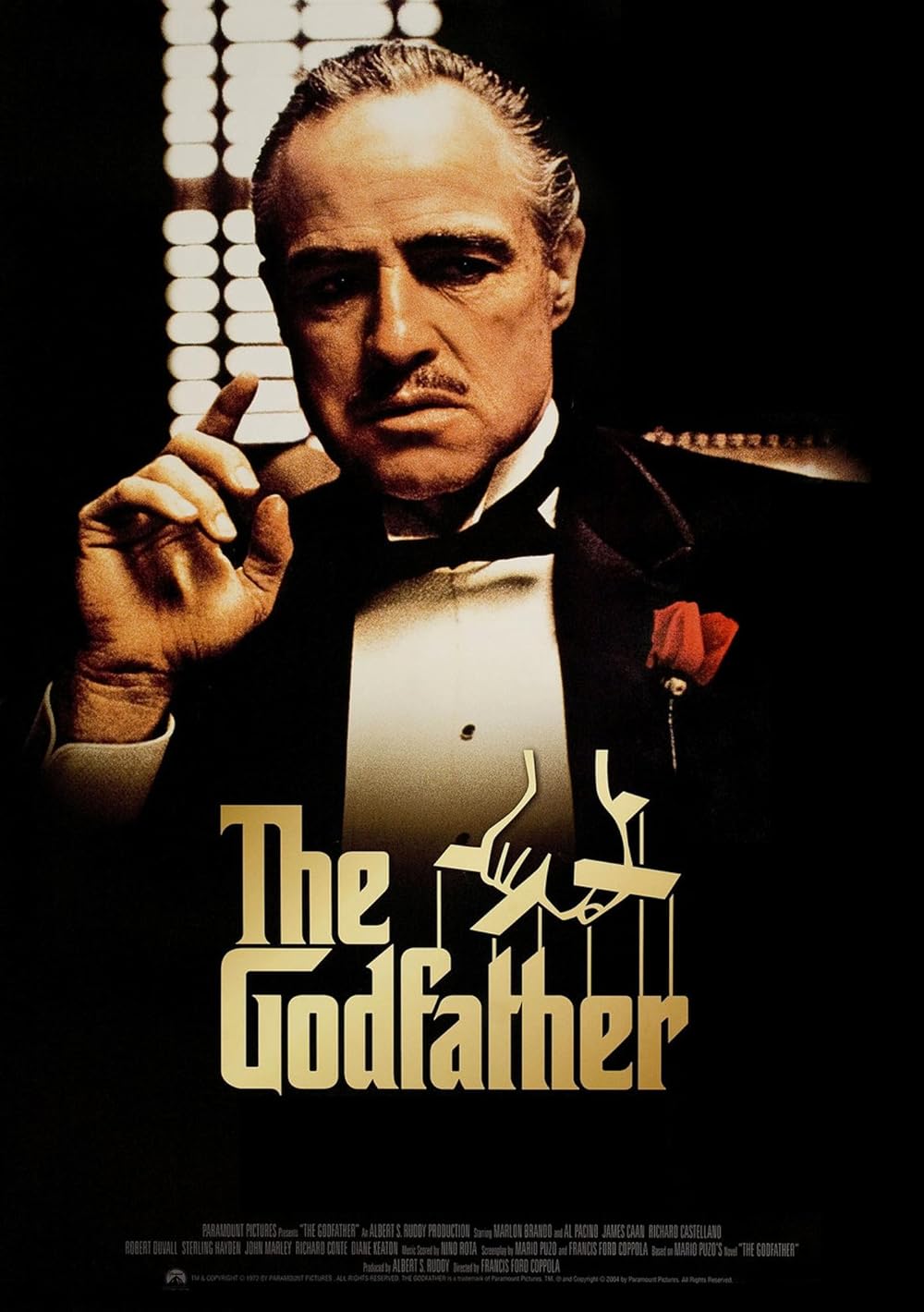
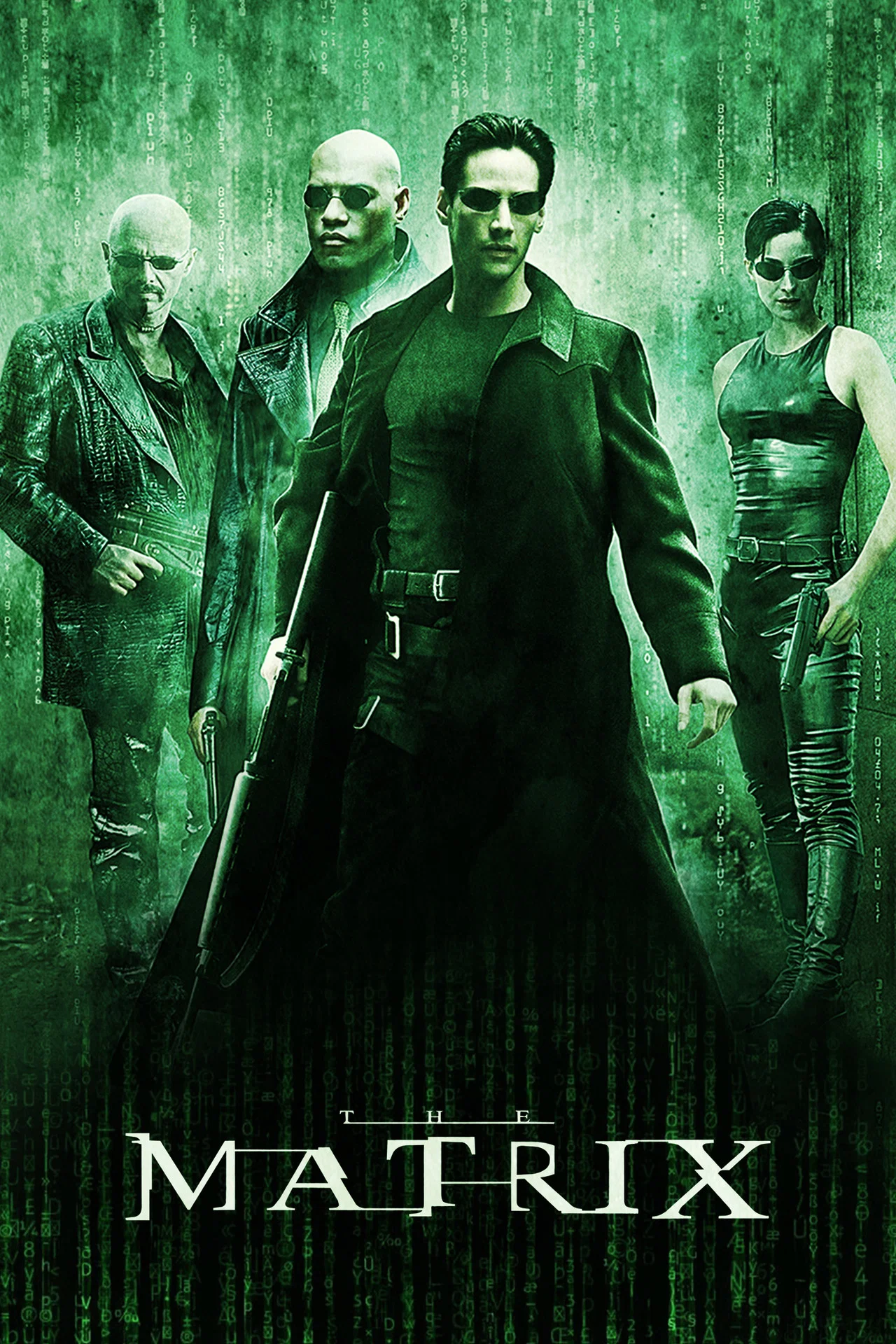
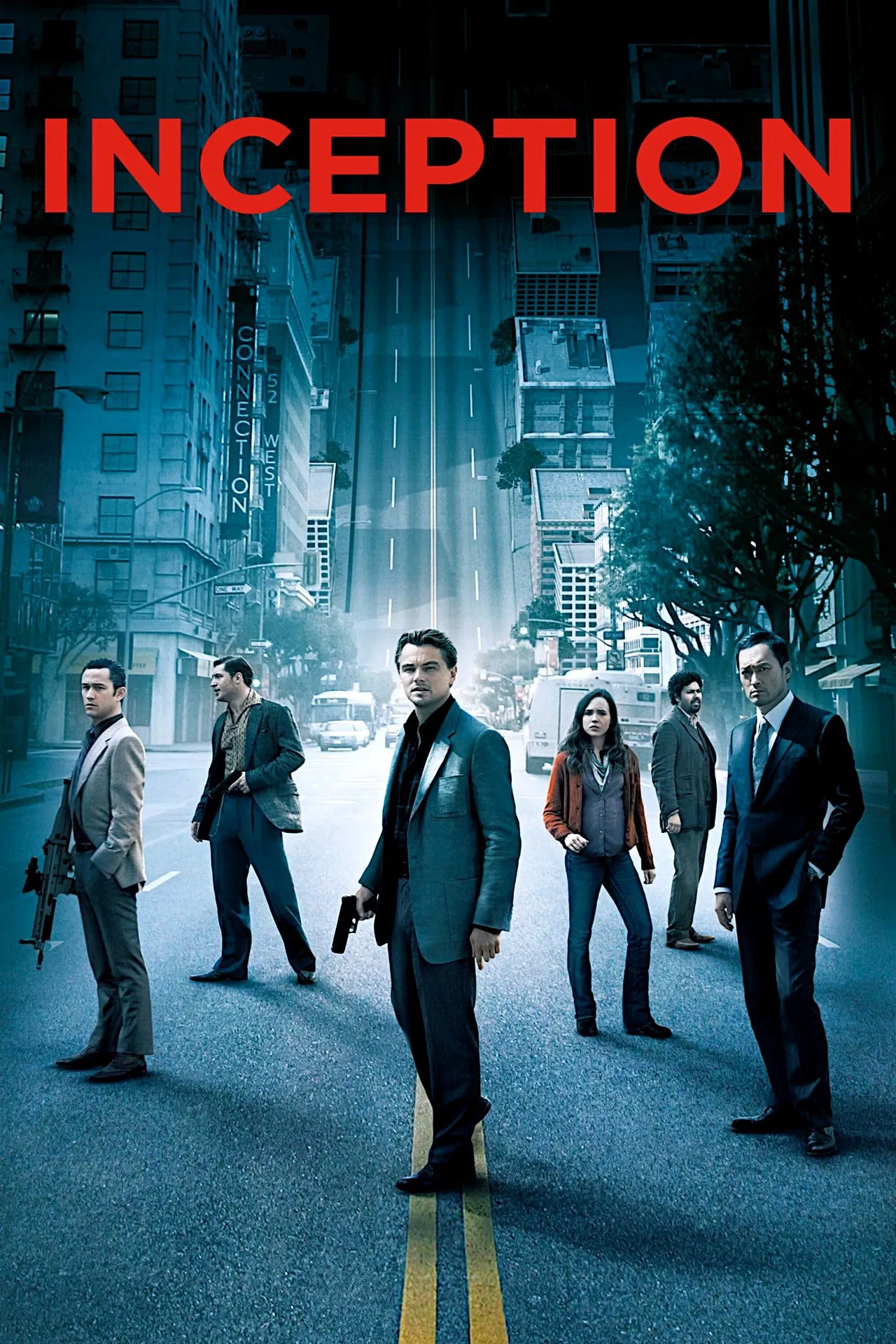
Waking appears in



Waking en otros idiomas
- Arabicالعربية
الاستيقاظ
فعل الاستيقاظ.
- Bengaliবাংলা
জেগে ওঠা
জেগে ওঠার কাজ।
- GermanDeutsch
Aufwachen
Das Aufwachen.
- Persianفارسی
بیدار شدن
عمل بیدار شدن.
- FrenchFrançais
Se réveiller
L'acte de devenir éveillé.
- Hindiहिन्दी
जागना
जागने का कार्य।
- ItalianItaliano
Svegliarsi
L'atto di svegliarsi.
- PortuguesePortuguês
Acordar
O ato de ficar desperto.
- RussianРусский
Пробуждение
Процесс пробуждения.
- Urduاردو
جاگنا، جاگنا
جاگنے کا عمل۔
- Chinese中文
醒来
醒过来的动作。
More words like Waking
- Emergence
- TrueA1
connected with facts rather than things that have been invented or guessed
- Is it true
A question asking if a statement or fact is correct.
- HospitalA1
a large building where people who are ill or injured are given medical treatment and care
- CenterA1
the middle point or part of something
- ThreatenB2
to say that you will cause trouble, hurt somebody, etc. if you do not get what you want
La gente también busca
- Waking significado
- significado de Waking
- qué significa Waking
- Waking en español
- Waking traducción
- definición de Waking
- cómo usar Waking
Preguntas frecuentes sobre Waking
¿Qué significa Waking?
El acto de despertarse.
¿Qué significa Waking en español?
El acto de despertarse.
¿Cuál es la definición de Waking?
El proceso de despertarse completamente del sueño.
¿Cómo se usa Waking en una frase?
Waking up early helps me to be more productive during the day.
¿Puedes dar otro ejemplo de Waking?
He felt groggy while waking from a deep sleep.
¿Cuáles son los sinónimos de Waking?
Algunas alternativas comunes son awakening, arousal, rising, stirring, emergence.
¿Cuál es el opuesto de Waking?
Significados opuestos incluyen sleeping, dozing.
¿Qué palabras acompañan a Waking?
Suele combinarse con waking hours, waking moment, waking life.
¿Cuáles son los errores comunes al usar Waking?
Confusing 'waking' with 'wake' as a noun. Using 'waking' instead of 'woke' for the past tense. Using 'waking' to mean remaining awake without sleep.
¿Cómo se pronuncia Waking?
US: //ˈweɪkɪŋ//, UK: //ˈweɪkɪŋ//. Escucha el audio de arriba para oír la pronunciación nativa.
¿Cuándo debo usar Waking?
Usa 'despertar' para describir el proceso de salir del sueño. Apropiado en la mayoría de los contextos, incluidas conversaciones informales y formales, pero puede sonar demasiado técnico en discusiones muy informales.