 Cool Mate
Significado en español
Una vez fui
Significado de I was once
A phrase indicating a past state or situation.
Una frase que indica un estado o situación pasada.
In simple words: I used to do something in the past.
Solía hacer algo en el pasado.
I was once en una frase
- I was once a champion swimmer in high school.Una vez fui un nadador campeón en la secundaria.
- I was once afraid of speaking in public.Una vez le tenía miedo a hablar en público.
- I was once a part of that club before it closed down.Una vez fui parte de ese club antes de que cerrara.
- I was once an avid reader of fantasy novels.Una vez fui un ávido lector de novelas de fantasía.
- During my travels, I was once lost in a foreign city.Durante mis viajes, una vez me perdí en una ciudad extranjera.
Cómo usar I was once
Used to indicate a past experience or state. Commonly used in storytelling.
Se usa para indicar una experiencia o estado pasado. Comúnmente se usa al contar historias.
Grammar pattern
standalone phrase
Memory hint
Think of 'I was once' like a time machine remembering the past.

Palabras relacionadas
Collocations with I was once
- I was once a child
- I was once told
- I was once happy
Synonyms for I was once
- I used to
- In the past, I was
- At one time, I was
Common mistakes with I was once
- Confused with 'I am now' - 'I was once' implies change.
- Inappropriately used with present tense - use past tense to match the phrase.
- Misplaced in sentence structure - it should typically start or emphasize the statement.
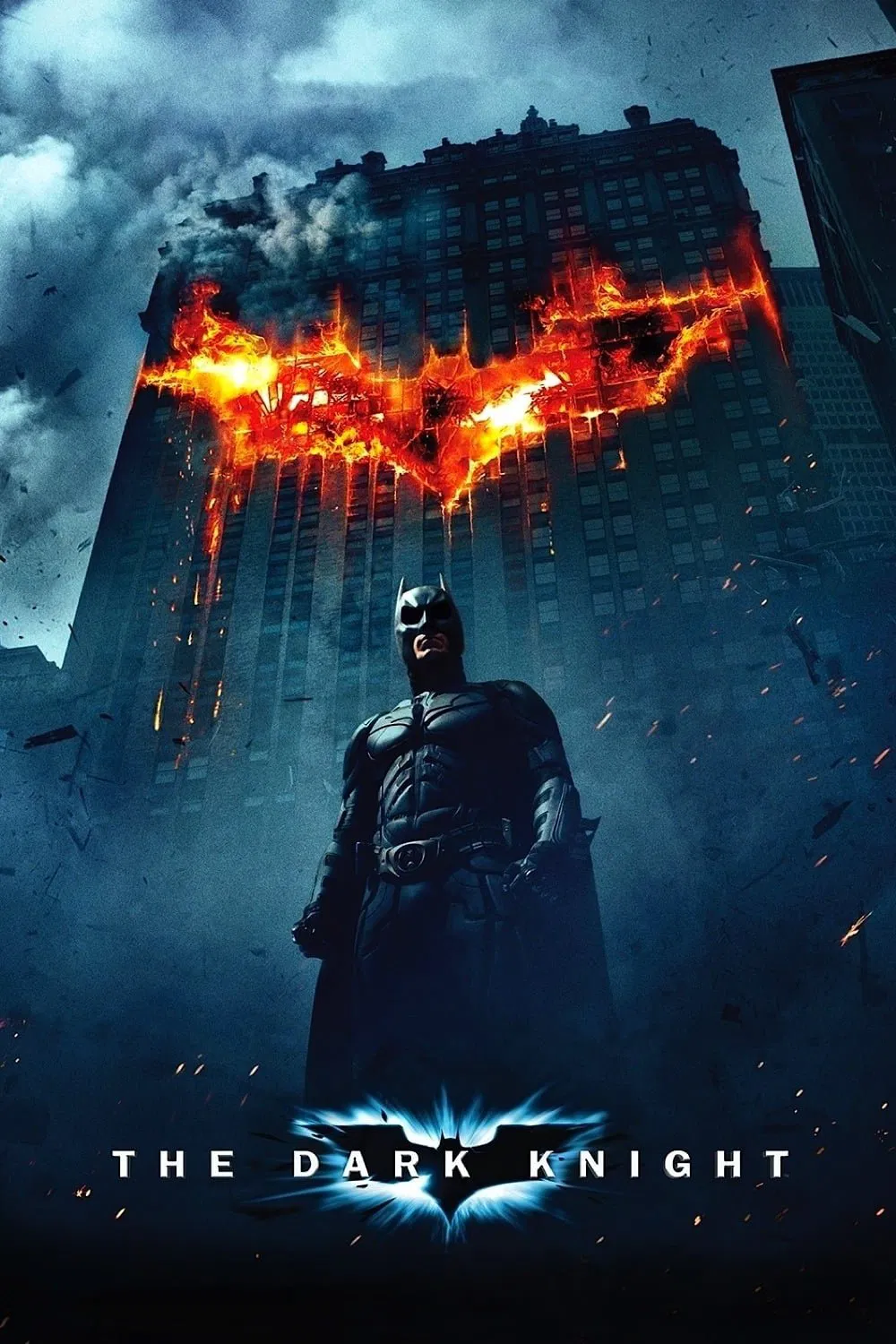
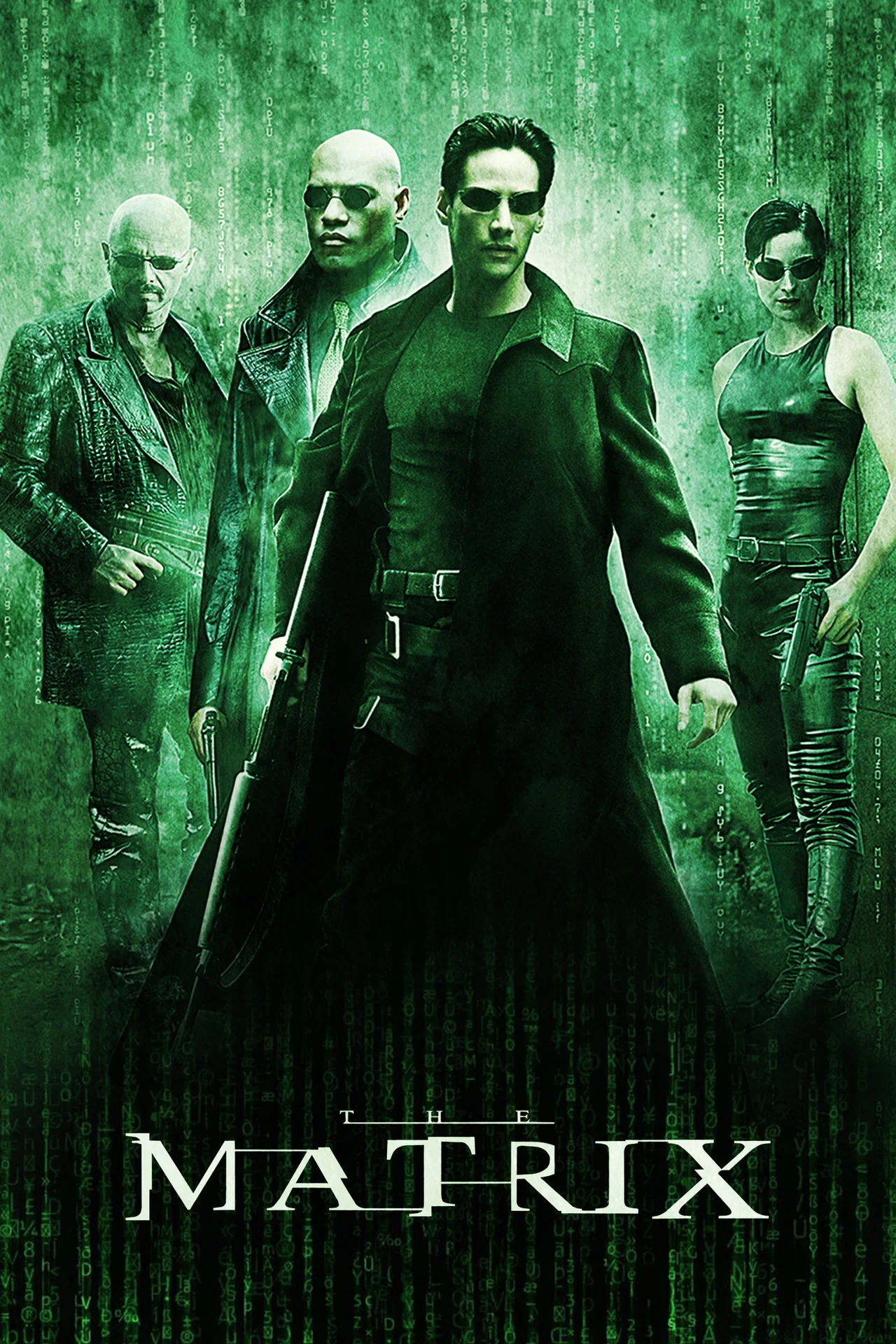
I was once appears in


I was once en otros idiomas
- Arabicالعربية
كنتُ ذات مرة
كنتُ أفعل شيئًا في الماضي.
- Bengaliবাংলা
আমি একসময়
আমি অতীতে কিছু করতাম।
- GermanDeutsch
Ich war mal
Ich habe früher mal etwas gemacht.
- Persianفارسی
من زمانی
قبلاً کاری را انجام میدادم.
- FrenchFrançais
J'étais autrefois
Je faisais quelque chose dans le passé.
- Hindiहिन्दी
मैं कभी
मैं अतीत में कुछ किया करता था।
- ItalianItaliano
Una volta ero
Facevo qualcosa in passato.
- PortuguesePortuguês
Eu já fui
Eu costumava fazer algo no passado.
- RussianРусский
Когда-то я
Раньше я что-то делал в прошлом.
- Urduاردو
میں ایک بار
میں ماضی میں کچھ کیا کرتا تھا۔
- Chinese中文
我曾经
我过去常常做某事。
More chunks like I was once
- HeyA1
used to attract somebody’s attention or to express interest, surprise or anger
- I don't know the right words
A phrase indicating uncertainty in expressing thoughts or feelings verbally.
- Told
Gave information or communicated something to someone in the past.
- Doesn't matter
An expression meaning something is not important.
- Doesn't matter now
This phrase indicates that something is no longer of concern or importance.
- Rust
A reddish-brown coating that forms on iron or steel due to oxidation.
La gente también busca
- I was once significado
- significado de I was once
- qué significa I was once
- I was once en español
- I was once traducción
- definición de I was once
- cómo usar I was once
Preguntas frecuentes sobre I was once
¿Qué significa I was once?
Solía hacer algo en el pasado.
¿Qué significa I was once en español?
Solía hacer algo en el pasado.
¿Cuál es la definición de I was once?
Una frase que indica un estado o situación pasada.
¿Cómo se usa I was once en una frase?
I was once a champion swimmer in high school.
¿Puedes dar otro ejemplo de I was once?
I was once afraid of speaking in public.
¿Cuáles son los sinónimos de I was once?
Algunas alternativas comunes son I used to, In the past, I was, At one time, I was.
¿Qué palabras acompañan a I was once?
Suele combinarse con I was once a child, I was once told, I was once happy.
¿Cuáles son los errores comunes al usar I was once?
Confused with 'I am now' - 'I was once' implies change. Inappropriately used with present tense - use past tense to match the phrase. Misplaced in sentence structure - it should typically start or emphasize the statement.
¿Cómo se pronuncia I was once?
US: //aɪ wəz wʌns//, UK: //aɪ wəz wʌns//. Escucha el audio de arriba para oír la pronunciación nativa.
¿Cuándo debo usar I was once?
Se usa para indicar una experiencia o estado pasado. Comúnmente se usa al contar historias.