 Cool Mate
Meaning in Bengali · বাংলায় অর্থ
গল্প
Story এর অর্থ
ঘটনা এবং মানুষের একটি বিবরণ যা লেখক বা বক্তা মানুষকে বিনোদন দেওয়ার জন্য তৈরি করেছেন
In simple words: A description of events, real or made up.
ঘটনাগুলির একটি বিবরণ, বাস্তব বা তৈরি।
বাক্যে Story
- The teacher asked us to write a story about our summer vacation.শিক্ষক আমাদের গ্রীষ্মের ছুটি নিয়ে একটি গল্প লিখতে বলেছিলেন।
- She told a funny story that made everyone laugh.
- The story in the book had a surprising ending.
- He is known for his ability to tell a story with great detail.
Story কীভাবে ব্যবহার করবেন
Used in both spoken and written English. Can refer to fictional tales or real-life accounts. Avoid using in overly formal contexts like academic papers.
কথ্য এবং লিখিত উভয় ইংরেজিতে ব্যবহৃত হয়। কাল্পনিক গল্প বা বাস্তব জীবনের বিবরণের উল্লেখ করতে পারে। অতিরিক্ত আনুষ্ঠানিক প্রেক্ষাপটে ব্যবহার এড়িয়ে চলুন যেমন একাডেমিক কাগজপত্র।
Grammar pattern
standalone noun
Memory hint
Think of a 'story' as a 'set of events' – imagine a storyteller sharing tales by a fire.

সম্পর্কিত শব্দ
Collocations with Story
- true
- plausible
- false
- collection
- hear
- read (somebody)
- write
- circulate
- go around
- go round
- teller
- telling
- line
- according to a/the story
- story about
- story of
- a fragment of a/the story
- a part of a/the story
- the rest of the story
- true
- plausible
- false
- collection
- hear
- read (somebody)
- write
- circulate
- go around
- go round
- teller
- telling
- line
- according to a/the story
- story about
- story of
- a fragment of a/the story
- a part of a/the story
- the rest of the story
- true
- plausible
- false
- collection
- hear
- read (somebody)
- write
- circulate
- go around
- go round
- teller
- telling
- line
- according to a/the story
- story about
- story of
- a fragment of a/the story
- a part of a/the story
- the rest of the story
- big
- huge
- top
- file
- write
- carry
- break
- story about
- story of
Common mistakes with Story
- Confused with 'history' when referring to real events.
- Using 'story' as a verb instead of a noun.
Story appears in

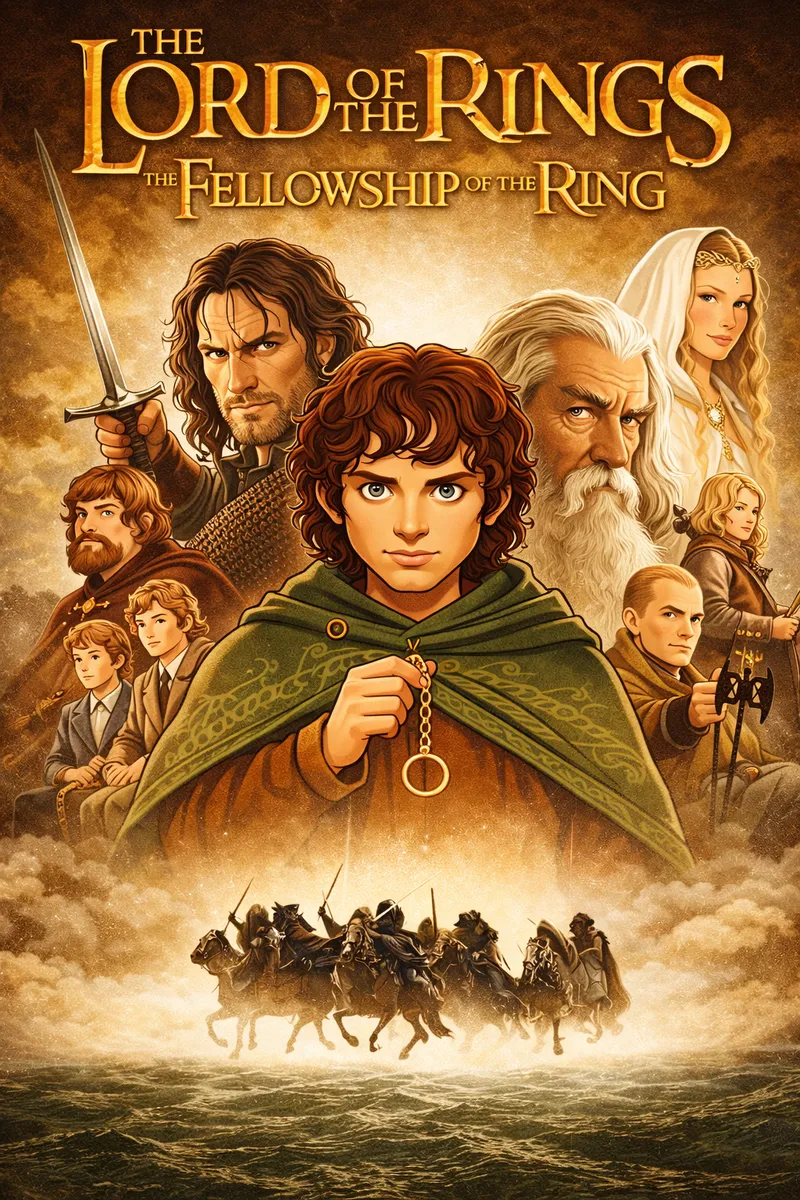
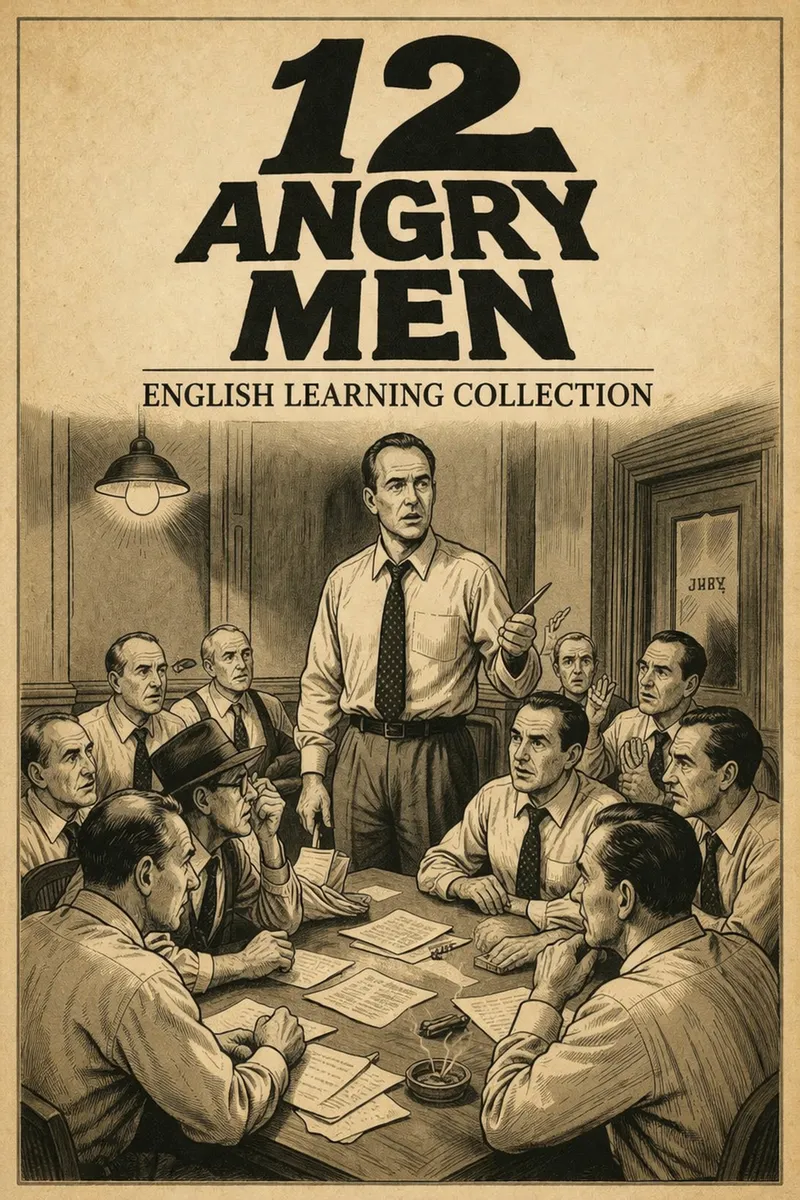









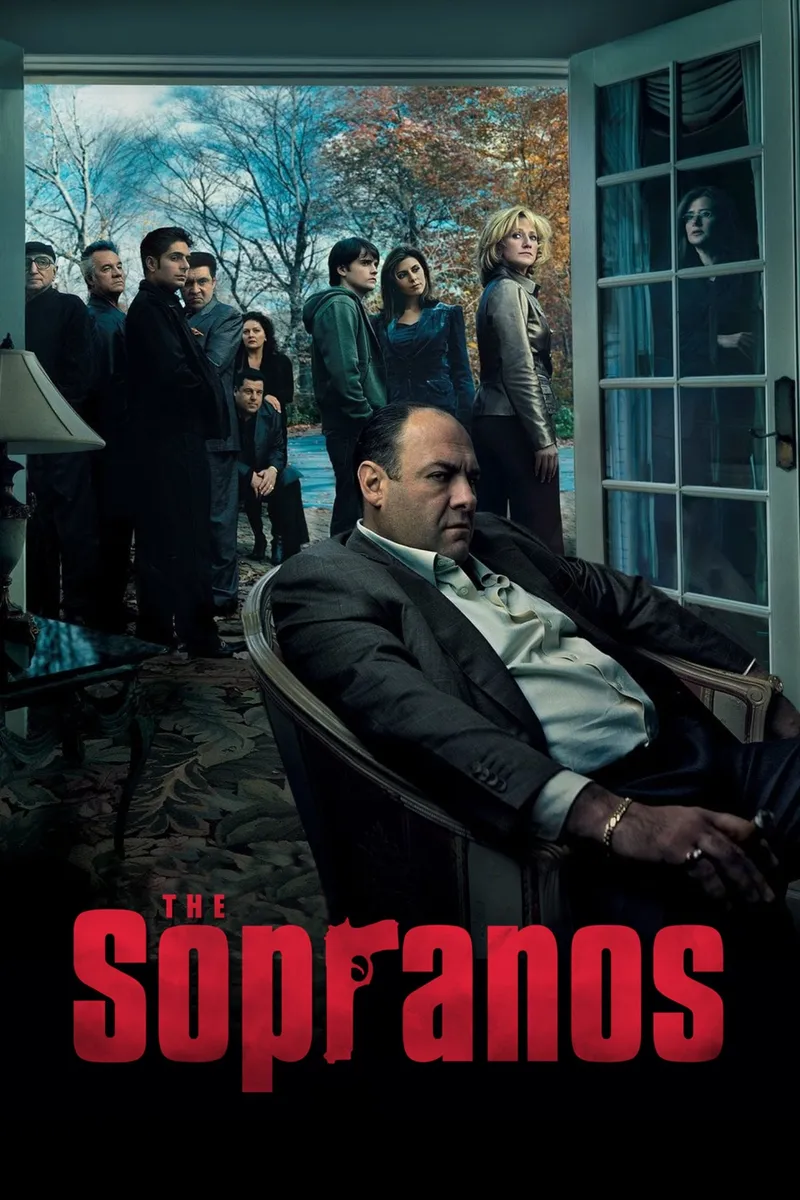



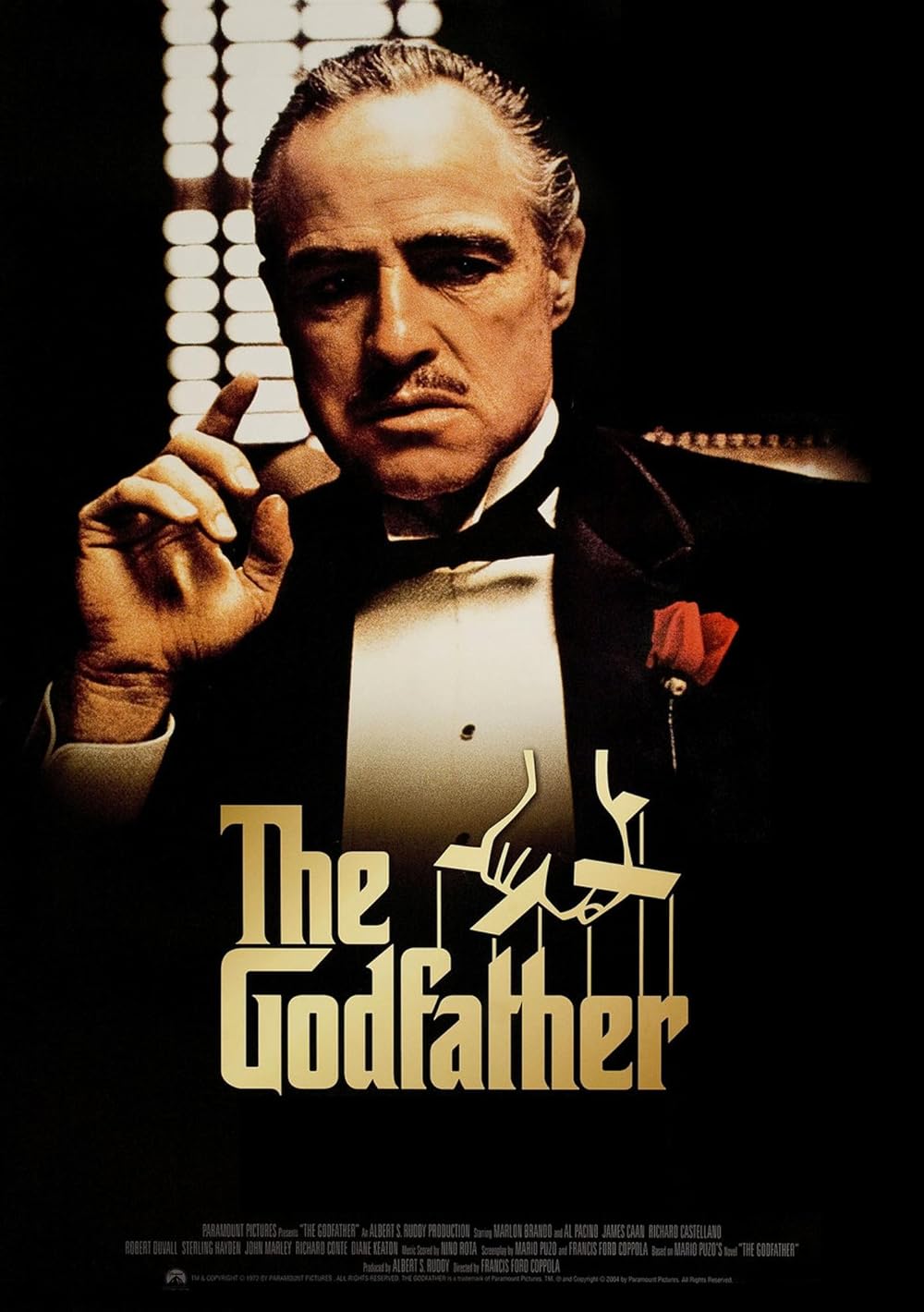

Story অন্য ভাষায়
- Arabicالعربية
قصة
وصف لأحداث، حقيقية أو خيالية.
- GermanDeutsch
Geschichte
Eine Beschreibung von Ereignissen, ob echt oder erfunden.
- SpanishEspañol
Historia
Una descripción de eventos, reales o inventados.
- Persianفارسی
داستان
توصیف رویدادها، واقعی یا ساختگی.
- FrenchFrançais
Histoire
Une description d'événements, réels ou inventés.
- Hindiहिन्दी
कहानी
घटनाओं का विवरण, वास्तविक या मनगढ़ंत।
- ItalianItaliano
Storia
Una descrizione di eventi, reali o inventati.
- PortuguesePortuguês
História
Uma descrição de eventos, reais ou inventados.
- RussianРусский
История
Описание событий, реальных или вымышленных.
- Urduاردو
کہانی, داستان
واقعات کی ایک تفصیل، حقیقی یا بنائی ہوئی
- Chinese中文
故事
对事件的描述,可以是真实的也可以是虚构的。
More words like Story
মানুষ আরও খোঁজে
- Story মানে
- Story অর্থ
- Story মানে কি
- Story এর অর্থ
- Story meaning in bengali
- Story বাংলা অর্থ
- Story বাংলা
Story সম্পর্কে সাধারণ প্রশ্ন
Story এর মানে কী?
ঘটনাগুলির একটি বিবরণ, বাস্তব বা তৈরি।
What does Story mean in Bengali?
ঘটনাগুলির একটি বিবরণ, বাস্তব বা তৈরি।
Story এর সংজ্ঞা কী?
ঘটনা এবং মানুষের একটি বিবরণ যা লেখক বা বক্তা মানুষকে বিনোদন দেওয়ার জন্য তৈরি করেছেন
বাক্যে Story কীভাবে ব্যবহার করবেন?
The teacher asked us to write a story about our summer vacation.
Story এর আরেকটি উদাহরণ দিতে পারেন?
She told a funny story that made everyone laugh.
Story এর সমার্থক শব্দ কী কী?
সাধারণ বিকল্পগুলোর মধ্যে আছে tale, narrative, account, report।
Story এর বিপরীত শব্দ কী?
বিপরীত অর্থের মধ্যে আছে truth, fact।
Story এর সাথে কোন শব্দ যায়?
এটি সাধারণত true, plausible, false, collection, hear, read (somebody), write, circulate, go around, go round, teller, telling, line, according to a/the story, story about, story of, a fragment of a/the story, a part of a/the story, the rest of the story, true, plausible, false, collection, hear, read (somebody), write, circulate, go around, go round, teller, telling, line, according to a/the story, story about, story of, a fragment of a/the story, a part of a/the story, the rest of the story, true, plausible, false, collection, hear, read (somebody), write, circulate, go around, go round, teller, telling, line, according to a/the story, story about, story of, a fragment of a/the story, a part of a/the story, the rest of the story, big, huge, top, file, write, carry, break, story about, story of এর সাথে ব্যবহৃত হয়।
Story ব্যবহারে সাধারণ ভুল কী কী?
Confused with 'history' when referring to real events. Using 'story' as a verb instead of a noun.
Story কীভাবে উচ্চারণ করবেন?
US: /["/ˈstɔːri/"]/, UK: /["/ˈstɔːri/"]/। নেটিভ উচ্চারণ শুনতে উপরের অডিও শুনুন।
Story কখন ব্যবহার করা উচিত?
কথ্য এবং লিখিত উভয় ইংরেজিতে ব্যবহৃত হয়। কাল্পনিক গল্প বা বাস্তব জীবনের বিবরণের উল্লেখ করতে পারে। অতিরিক্ত আনুষ্ঠানিক প্রেক্ষাপটে ব্যবহার এড়িয়ে চলুন যেমন একাডেমিক কাগজপত্র।
Story এর CEFR স্তর কী?
"Story" CEFR স্কেলে A1 স্তরে আছে।