 Cool Mate
Bedeutung auf Deutsch
In Monte Cassino gefallen
Bedeutung von Killed in monte cassino
Died in the Battle of Monte Cassino during World War II.
Im Zweiten Weltkrieg in der Schlacht von Monte Cassino gestorben.
In simple words: Died in Monte Cassino, a place in Italy during World War II.
In Monte Cassino, einem Ort in Italien während des Zweiten Weltkriegs, gestorben.
Killed in monte cassino in einem Satz
- Many soldiers were killed in Monte Cassino during the fierce fighting.Viele Soldaten fielen in Monte Cassino während der heftigen Kämpfe.
- The battle was devastating, with thousands killed in Monte Cassino.Die Schlacht war verheerend, Tausende fielen in Monte Cassino.
- Historians estimate that over 50,000 were killed in Monte Cassino.Historiker schätzen, dass über 50.000 in Monte Cassino gefallen sind.
- The memories of those killed in Monte Cassino still haunt survivors.Die Erinnerungen an die in Monte Cassino Gefallenen verfolgen die Überlebenden immer noch.
- Stories of bravery from those killed in Monte Cassino are shared every year.Jedes Jahr werden Geschichten über den Mut der in Monte Cassino Gefallenen erzählt.
Wie man Killed in monte cassino verwendet
Used primarily in historical contexts related to World War II. It's important to use this phrase respectfully, as it refers to significant loss of life.
Wird hauptsächlich in historischen Kontexten im Zusammenhang mit dem Zweiten Weltkrieg verwendet. Es ist wichtig, diese Formulierung respektvoll zu verwenden, da sie sich auf erhebliche Verluste bezieht.
Grammar pattern
standalone phrase
Memory hint
Think of the historic site where many lives were lost during the battle.

Verwandte Wörter
Collocations with Killed in monte cassino
- battle of Monte Cassino
- soldiers killed in Monte Cassino
- memorial for those killed in Monte Cassino
Synonyms for Killed in monte cassino
- died in Monte Cassino
- fell at Monte Cassino
- perished in Monte Cassino
Common mistakes with Killed in monte cassino
- Confusing 'Monte Cassino' with other battles or locations.
- Using the phrase in non-historical contexts, which may seem insensitive.
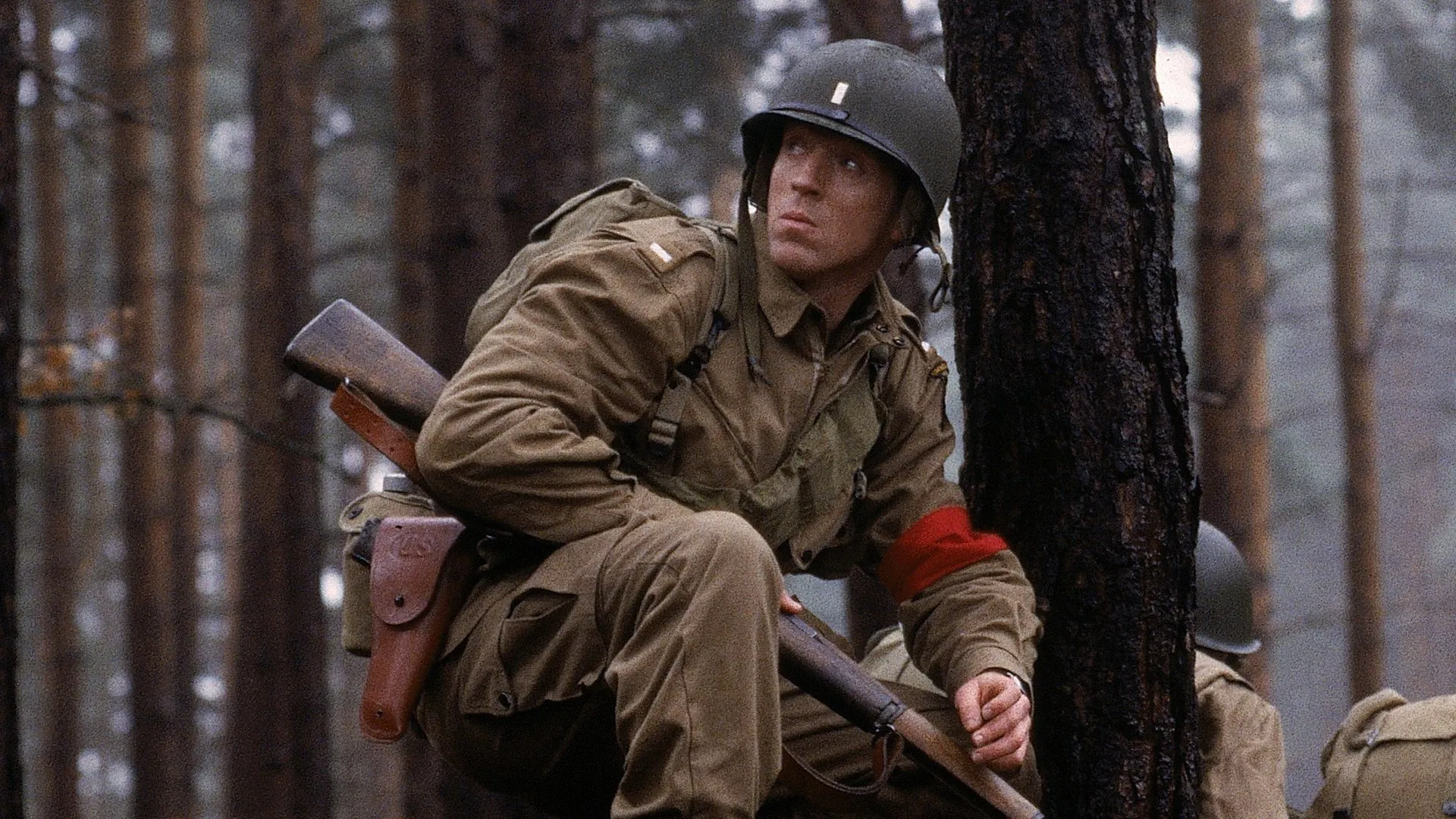
Killed in monte cassino appears in
Killed in monte cassino in anderen Sprachen
- Arabicالعربية
قُتل في مونتي كاسينو
مات في مونتي كاسينو، وهو مكان في إيطاليا خلال الحرب العالمية الثانية.
- Bengaliবাংলা
মন্টে ক্যাসিনোতে নিহত
দ্বিতীয় বিশ্বযুদ্ধের সময় ইতালির মন্টে ক্যাসিনো নামক স্থানে নিহত।
- SpanishEspañol
Muerto en Monte Cassino
Murió en Monte Cassino, un lugar en Italia durante la Segunda Guerra Mundial.
- Persianفارسی
کشتهشدگان در مونت کاسینو
در مونت کاسینو، جایی در ایتالیا در طول جنگ جهانی دوم جان باختند.
- FrenchFrançais
Tué à Monte Cassino
Mort à Monte Cassino, un endroit en Italie pendant la Seconde Guerre mondiale.
- Hindiहिन्दी
मोंटे कैसिनो में मारे गए
द्वितीय विश्व युद्ध के दौरान इटली की एक जगह मोंटे कैसिनो में मरे।
- ItalianItaliano
Morto a Montecassino
Morto a Montecassino, un posto in Italia durante la Seconda Guerra Mondiale.
- PortuguesePortuguês
Morreu em Monte Cassino
Morreu em Monte Cassino, um lugar na Itália durante a Segunda Guerra Mundial.
- RussianРусский
Погиб в Монте-Кассино
Умер в Монте-Кассино, месте в Италии во время Второй мировой войны.
- Urduاردو
مونت کاسینو میں مارا گیا
دوسری جنگ عظیم کے دوران مونٹ کاسینو، اٹلی میں ایک جگہ پر فوت ہوئے۔
- Chinese中文
在卡西诺山阵亡
在二战时期的意大利卡西诺山牺牲。
More chunks like Killed in monte cassino
- We were in a store
A retail establishment selling goods to consumers.
- BelieveA1
to feel certain that something is true or that somebody is telling you the truth
- We couldn't believe it
Expressing astonishment or skepticism about a situation.
- CountryA1
an area of land that has or used to have its own government and laws
- Our country was attacked
Our nation was harmed or invaded by an enemy force.
- It wasn't like Korea or Vietnam
A statement expressing that the situation was unlike those two countries.
Nutzer suchen auch nach
- Killed in monte cassino bedeutung
- was bedeutet Killed in monte cassino
- Killed in monte cassino übersetzung
- Killed in monte cassino auf deutsch
- Killed in monte cassino deutsch
- Killed in monte cassino definition
- Killed in monte cassino erklärung
Häufige Fragen zu Killed in monte cassino
Was bedeutet Killed in monte cassino?
In Monte Cassino, einem Ort in Italien während des Zweiten Weltkriegs, gestorben.
Was bedeutet Killed in monte cassino auf Deutsch?
In Monte Cassino, einem Ort in Italien während des Zweiten Weltkriegs, gestorben.
Was ist die Definition von Killed in monte cassino?
Im Zweiten Weltkrieg in der Schlacht von Monte Cassino gestorben.
Wie verwendet man Killed in monte cassino in einem Satz?
Many soldiers were killed in Monte Cassino during the fierce fighting.
Kannst du ein weiteres Beispiel für Killed in monte cassino geben?
The battle was devastating, with thousands killed in Monte Cassino.
Was sind Synonyme für Killed in monte cassino?
Gängige Alternativen sind died in Monte Cassino, fell at Monte Cassino, perished in Monte Cassino.
Welche Wörter passen zu Killed in monte cassino?
Es wird oft mit battle of Monte Cassino, soldiers killed in Monte Cassino, memorial for those killed in Monte Cassino kombiniert.
Was sind häufige Fehler bei Killed in monte cassino?
Confusing 'Monte Cassino' with other battles or locations. Using the phrase in non-historical contexts, which may seem insensitive.
Wie spricht man Killed in monte cassino aus?
US: //kɪld ɪn ˈmɑnti kəˈsiːnoʊ//, UK: //kɪld ɪn ˈmɒnti kəˈsiːnəʊ//. Hör dir das Audio oben an, um die Aussprache von Muttersprachlern zu hören.
Wann sollte ich Killed in monte cassino verwenden?
Wird hauptsächlich in historischen Kontexten im Zusammenhang mit dem Zweiten Weltkrieg verwendet. Es ist wichtig, diese Formulierung respektvoll zu verwenden, da sie sich auf erhebliche Verluste bezieht.